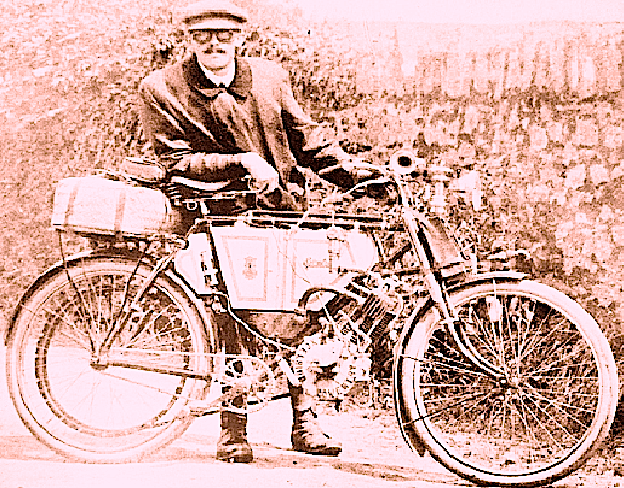
The listing for 1922 is amost complete, bar some more illustrations. The traditional Christmas story is rather good; you’ll also find some rather of-the-wall accessories and much more mirthful material besides.

The listing for 1922 is amost complete, bar some more illustrations. The traditional Christmas story is rather good; you’ll also find some rather of-the-wall accessories and much more mirthful material besides.
Uploaded this very day, a report of the thrills and spills of the 1922 TT, complete with Ixion’s impressions of the action, news of misbehaving TT riders annoying Manx folk and the sad tale of a rider who was forced to retire when his braces snapped.
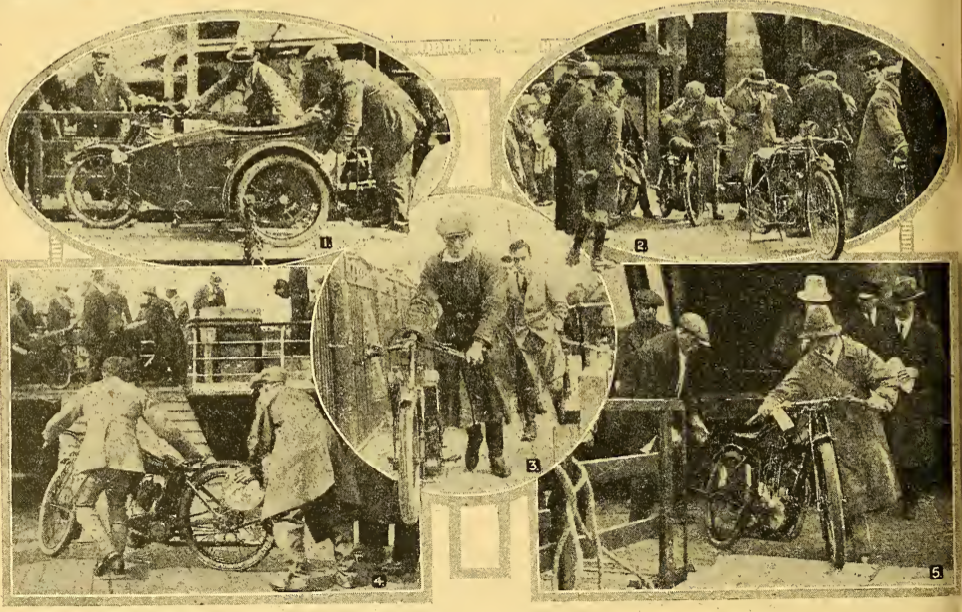
A full report on the big one, the ACU Six Days, is awaiting you in the 1922 Features section. Tales of endurance, technical notes and drawings, a staffer’s view of the trial, some cobby tiddlers and the debut of a big BruffSup…there’s plenty to read and loads of period pics. It was a great event.

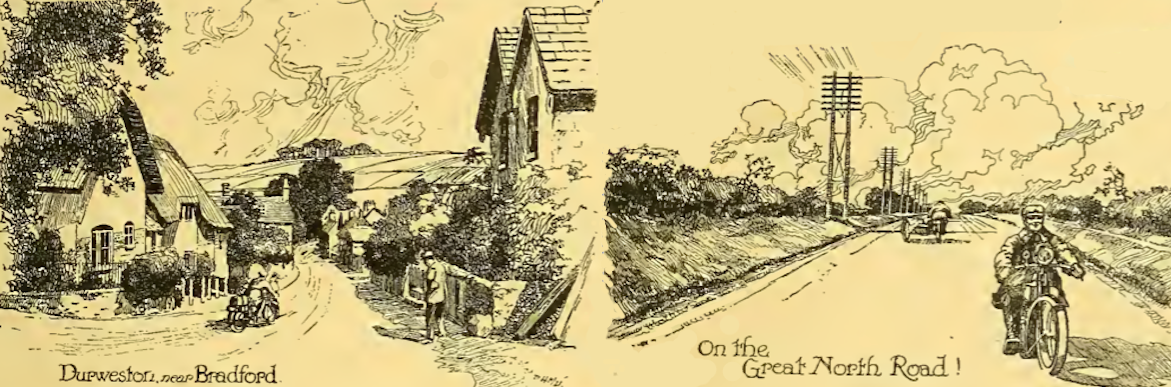
1922 is turning out to be full of interest. Yarns uploaded today include the definitve story of the invention of the skidlid; an Edinburgh Trial competitor who ended up with hare on his face; a banking sidecar on test; a Harley with sidecar-wheel drive and a hill so steep that bikes were lowered back down on a rope. And we’re only half way through the year. It definitely beats 2020.
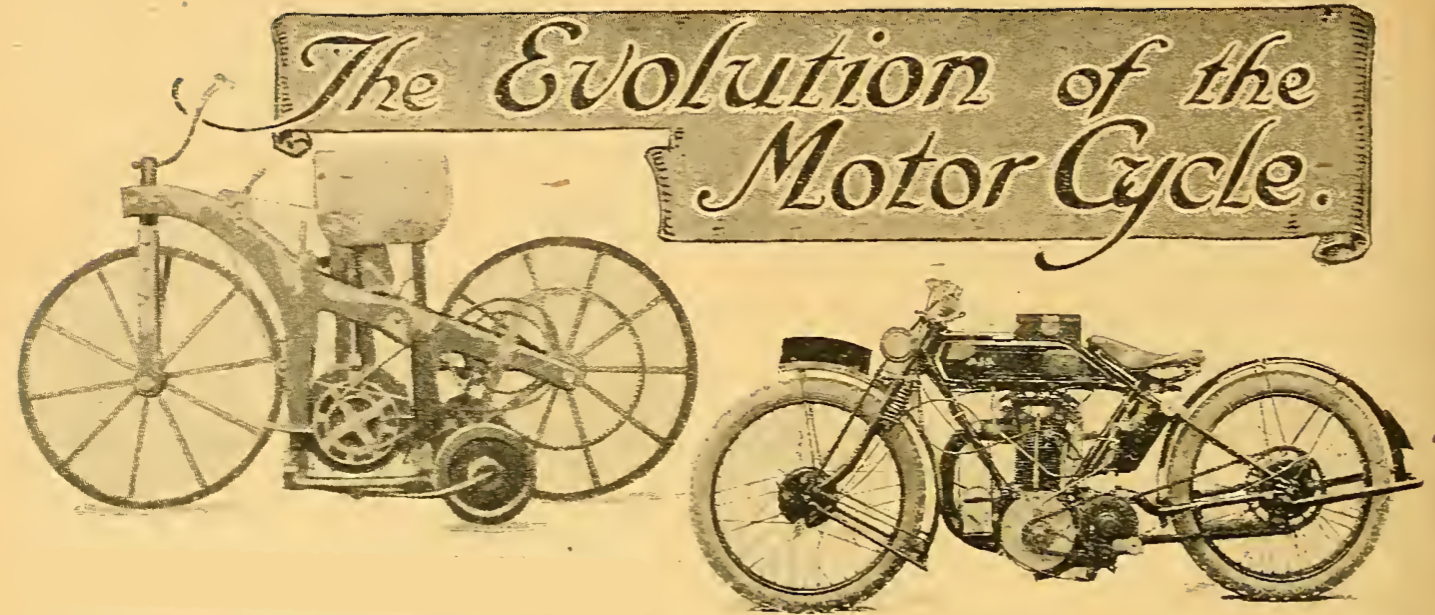
In 1922 The Motor Cycle published its 1,000th issue and marked the milestone with a number of retrospectives, including a definitive history of the birth and evolution of the sidecar—in 1922 sidecar outfits were the most common vehicles on UK roads. And in the 1922 Features section you’ll find a real gem: nothing less than a succinct history of motor cycling evolution penned by Ixion.
The Scottish Six Days Trial had never been a stroll in the park but Spring came late in 1922—competitors slogged through torrential rain, sleet, gales and blizzards, over boulder styrewn moorland tracks, up freak mud-covered hils and through freezing watersplashes. None of which stopped some indomitable women riders joining the fray, and one of them won a gold medal. This one really is a ripping yarn.

More stories and pics are being added from 1922 including roadtests of the four-valve Ricardo Triumph, Harley’s 4hp flat twin and a brace of Brough Superiors; some extremely whimsical Ixionisms; a reader asking advice on a ‘subterrabrain waveium’; details of straight-six, four-pot two-stroke and radial-three engines; plans for an indoor garage; musical accompaniment at Brooklands; and a music hall artiste balancing a running Duggie (with rider) on his teeth. It’s going to be a busy year.
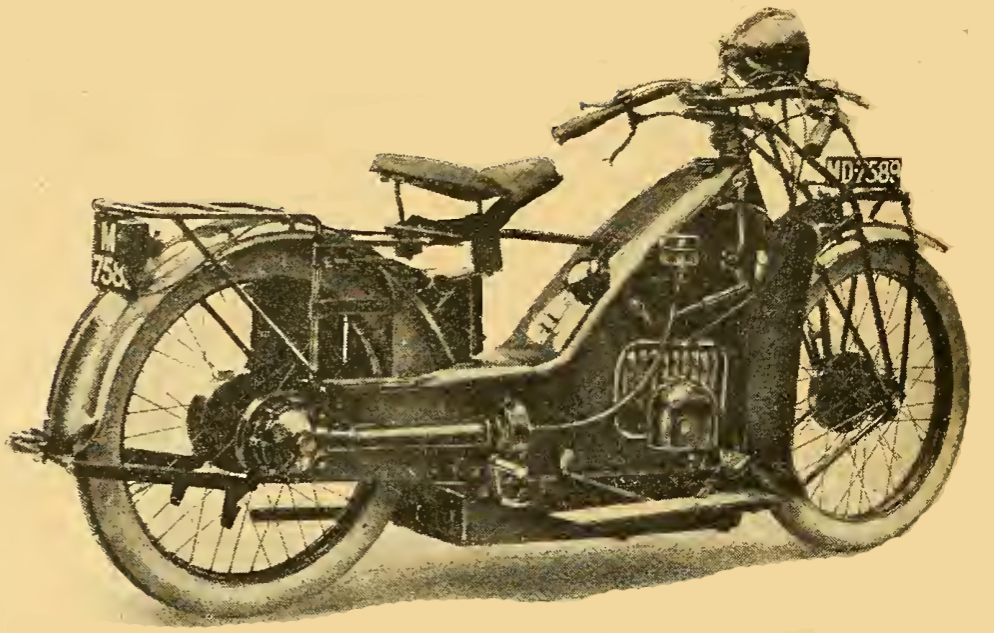
Finally, with the MCC’s Boxing day London-Exter-London trial, 1921 is ready for reading. You’ll find a number of new marques, oodles of new models, pics of riders doing silly things, tales of derring do on and off road, advances in motor cycle technology, the arrival of bike club flags, a TT report (and plans to move the TT to Belgium)…enough waffle from me, go look for yourself.
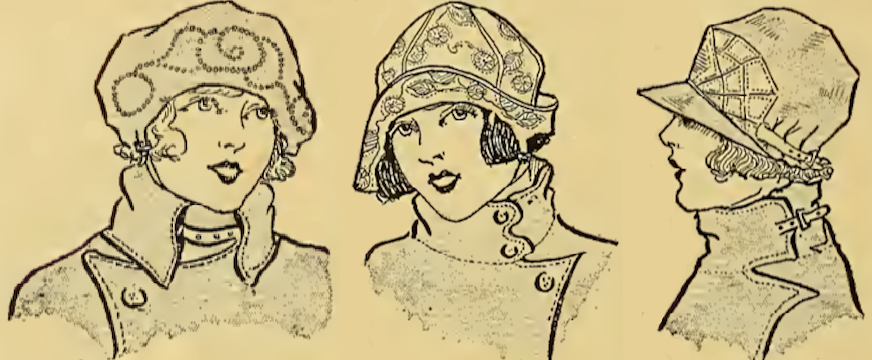
Today’s additions to 1921 include a report on the Scott Trial—definitely not an event for the faint hearted—complete with a charming ode from the charity programme which you’ll find at the end of the Poetry page. There are also a couple of new models from Rex Acme and Humber.

It’s been some time since new material has been added (boring health stuff) but do take a look at 1921 for a report and pics from the Paris Salon. The French had lost their motor cycling edge but, as they recovered from the trauma of The Great War, their designers still displayed commendable panache avec un petit peu de joie de vivre. Vive la France!
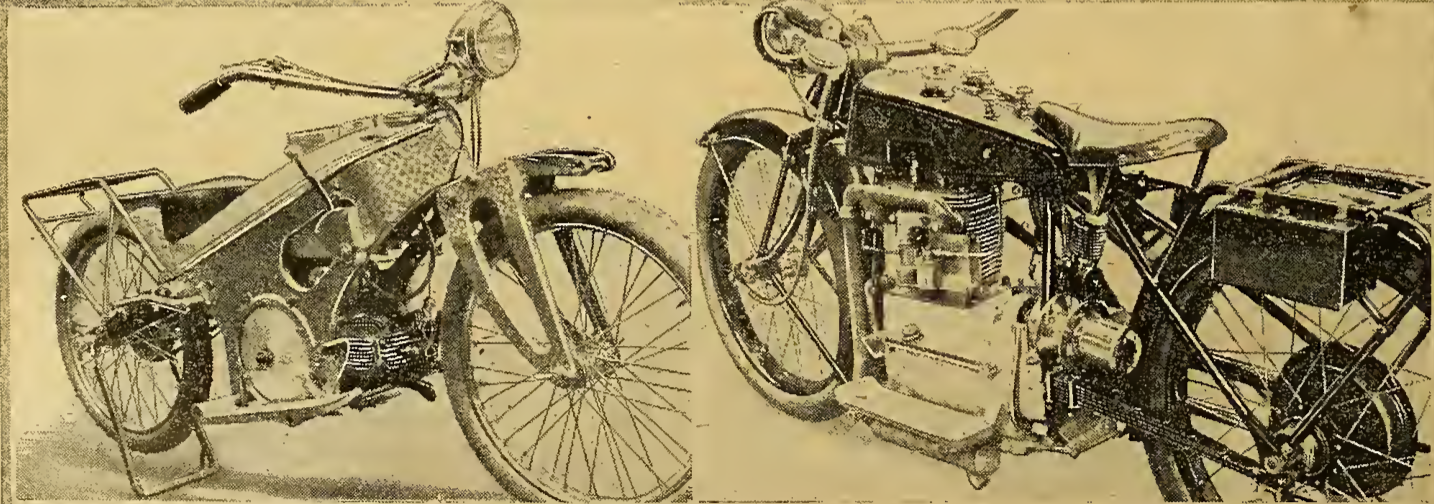
 Motorcycle Timeline