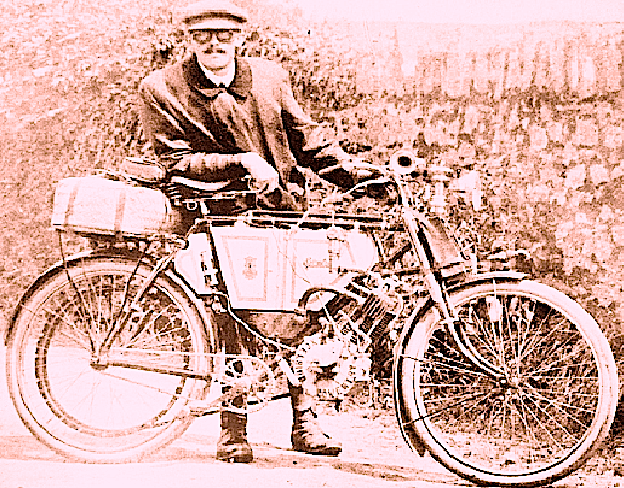
HAVING BEEN BOMBED OUT of its Coventry base, Triumph was back in business. Its Meriden site was the only modern motor cycle factory in the country.
MIYATA WAS MAKING a 350 four-stroke and 150-200cc two-strokes for military and civvy use, as well as a folding backpack bicycle for Japanese paratroops.
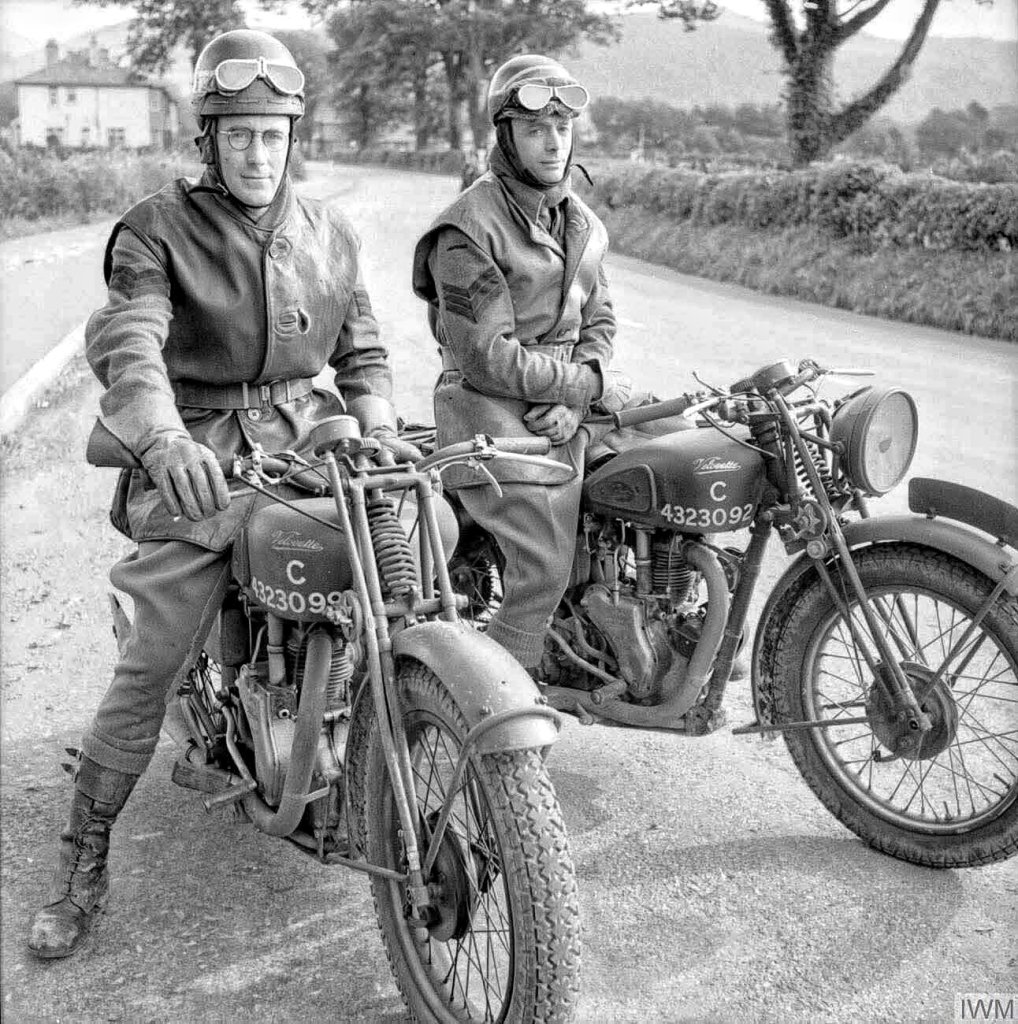
CRASH HELMETS were in general use by motor cyclists in the armed forces. The design of what is now generally known as the pudding-basin helmet was the work of Nobel Prize-winning Aussie neurosurgeon Hugh Cairns who had treated TE Lawrence (of Arabia) in 1935.
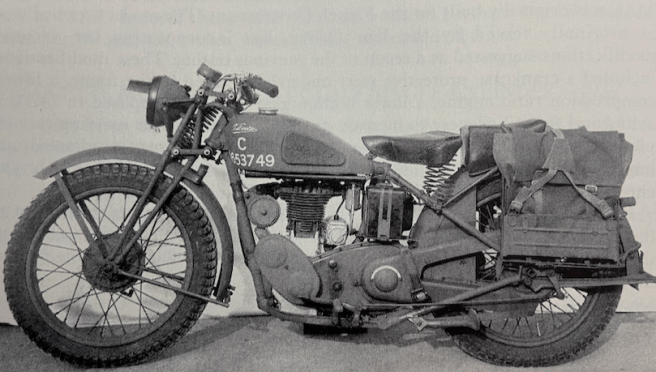
THE STOP-GAP Velocette MDD 350, a militarised MAC, was developed into by the MAF (for Armed Forces) with a beefed up frame, sump guard, carrier and pannier frames, lower bottom gear and a host of minor tweaks. Development work wads handled by Phil Irving, who went on to earn worldwide fame for his work on Vincents. The MAF was certainly fit for military service but it cost £68 per machine while the ohv WD models from Ariel, Matchless, Royal Enfield and Triumph were all under £60. Meanwhile BSA M20s and Norton 16Hs were pouring out of the BSA and Norton plants; within a few months Velocette was directed to take on other war work after making fewer than 1,000 MAFs. Many were used on RAF bases throughout the UK.
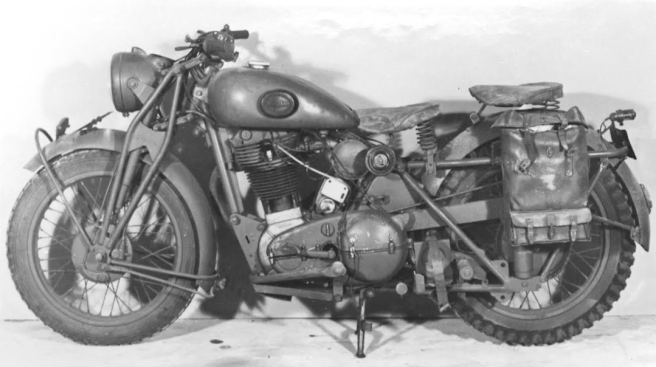
FOLLOWING THE MOBILISATION of the Swedish army in 1939 a large number of motor cycles were bought from Germany as a stop-gap while the Swedish company Monark, which had been making bikes since 1920, developed a military model. At the start of 1941 Monark began production of a 500 ohv single, the M/42. Some 3,300 were built; it remained in service until 1963. Monark also supplied the Swedish army with electric trikes.
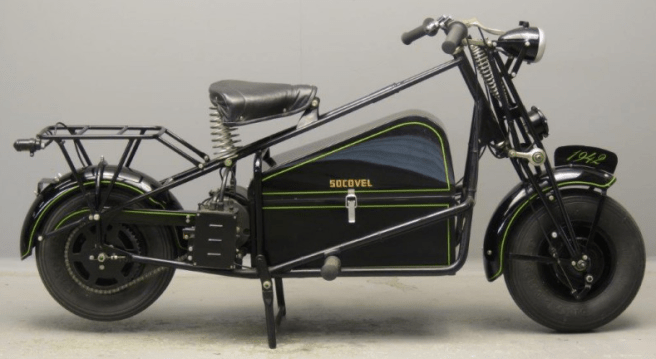
FOLLOWING THE GERMAN invasion of Belgium petrol was almost unobtainable. Brussells-based brothers Albert and Maurice de Limelette saw this as a challenge and set up Société pour l’Etude et la Construction de Véhicules Electriques to produce an electric scooter which they marketed as the Socovel. It was powered by a 36V electric motor supplied by three 12V batteries that gave a range of 25 miles at 20mph. Several hundred were made by the end of the war, at which point they switched to two-stroke motor cycles.
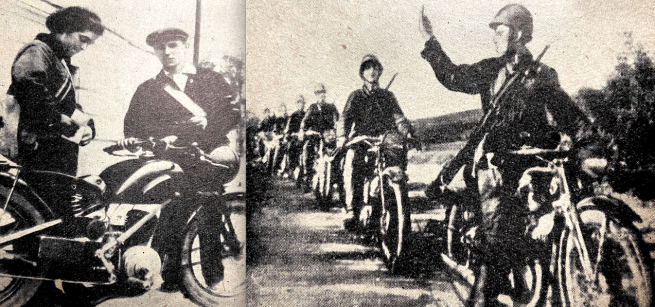
“DESPITE THE FACT that the date was the last Sunday in the month, when fuel rations were presumably at low ebb, the Kensal Rise &DMCC’s open-to-Centre scramble at Bagshot Heath on Sunday was a decided success. The event once again proved that this type of racing is very popular, for there was an excellent list of entrants and a considerable crowd of spectators who were treated to a splendid afternoon’s sport. The first race was a six-lap event for 250cc models which resulted in a walkover, more or less, for GF Robertson on a Triumph, the second man being EA Watson (AJS). In the 350cc race, which was fought out over eight laps, the two most fancied contestants fell by the roadside very early in the proceedings, curiously enough through the same trouble—flat back tyres. They were GM Berry and AF Gaymer (Triumphs). The former just managed to complete one lap, whilst Gaymer retired on the fifth circuit, when leading. In the four previous laps he was hotly pursued by EG Wilmott (AJS), after which the latter continued to lead the field and finished an easy winner. EC Bessant (Matchless) came second. Berry and Gaymer both repaired their tyre troubles before the start of the Unlimited cc event, the distance of which was 10 laps, and an exceptionally keen contest was anticipated in view of the fact that the club’s president, Flight Lieut JM West, had wired the officials to the effect that he was presenting a cup for the fastest time of the day. Gaymer set a cracking pace and rode with such determination and skill that he led easily from start to finish. Berry and F Hayward (AJS) chased him hard on the first three laps, but the former was obviously in trouble as his engine showed signs of a serious oil leakage, added to which he had lost his exhaust system completely. Once he retired Gaymer was virtually unchallenged, the rest, of the field being led by J Botting (Sunbeam), with EG Wilmott (AJS) working hard to maintain third place because of a badly misfiring engine. The meeting concluded with a sidecar race for which there were seven starters, the distance being five laps on a somewhat modified course. The inevitable, of course, happened, inasmuch as there was a glut of retirements, only three men finishing, the winner being P Seymour (Ariel), with RA Tracey (Norton) runner-up. During an interval, the awards which were won in the club’s recent Kensal Rise Cup Trial were presented by ‘Cyclops’ of Motor Cycling.”
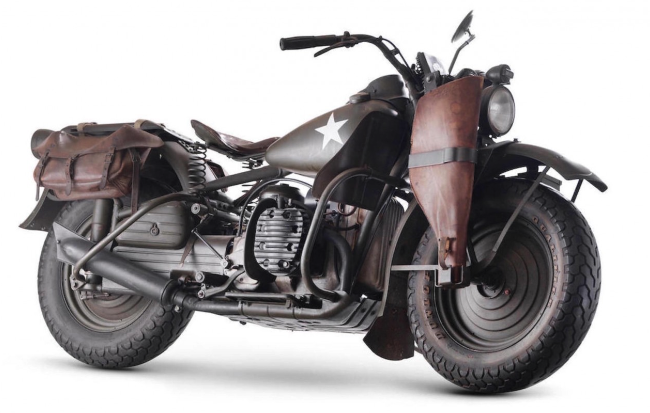
THE US ARMY, no doubt impressed by the performance of the BMW shat-drive flat twin, ordered shaft-drive models suitable for desert fighting from Indian and Harley-Davidson. Indian came up with the 90° transverse V-twin 841; Harley’s solution was the transverse flat-twin XA. Like their existing V-twin military models, the Indian 741B and the Harley WLA Liberator, the shafties were side-valves; unlike them the protoypes sported foot gearchange. To control costs they shared components with the existing military models. Indian and Harley each produced 1,000 examples, but neither was adopted for wider military use—the US army decided that the Jeep was more suitable for the roles for which they were intended.
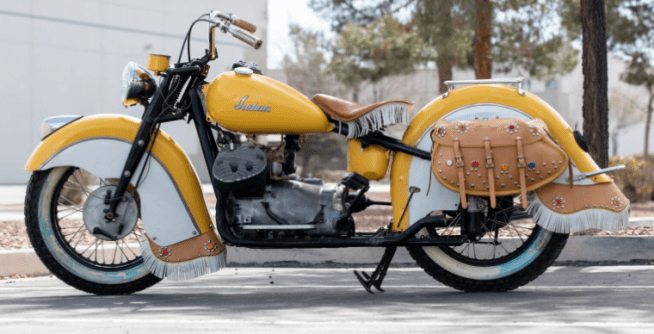
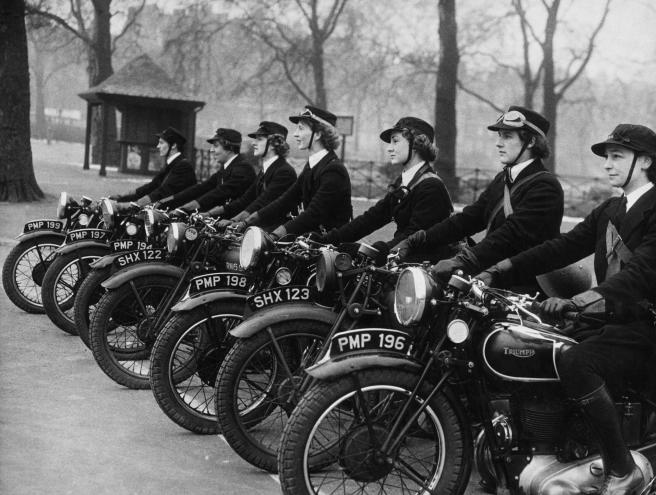
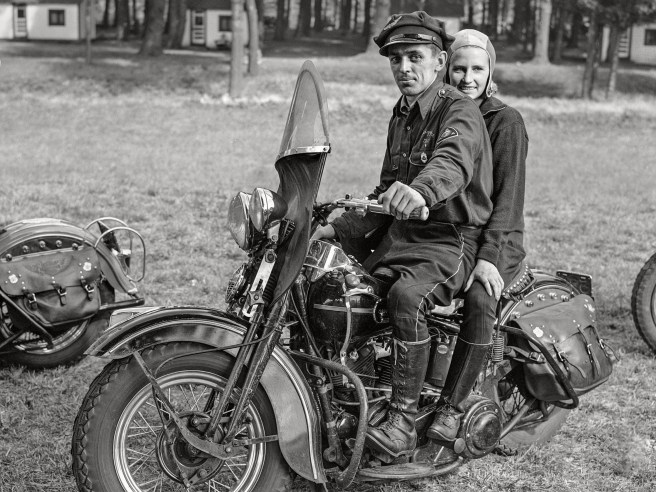
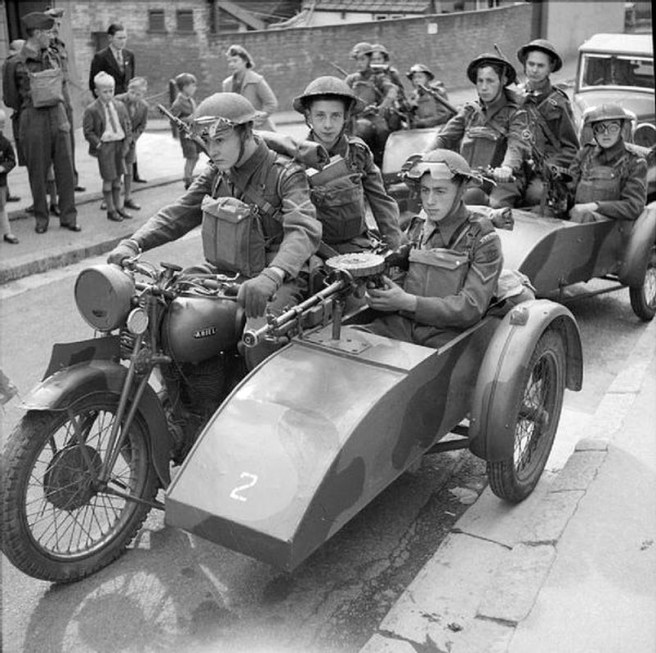
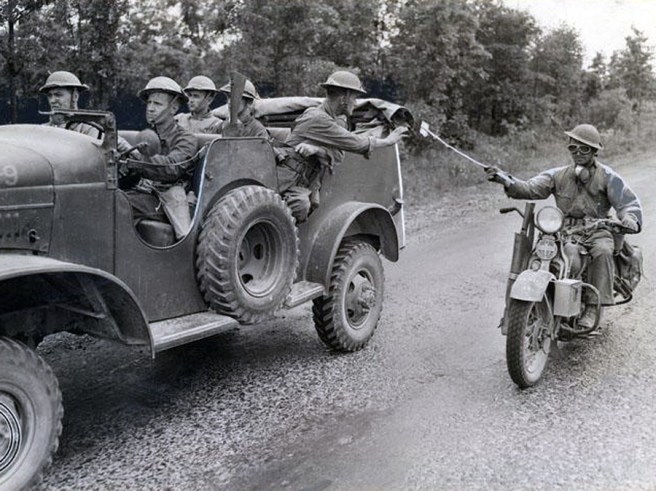
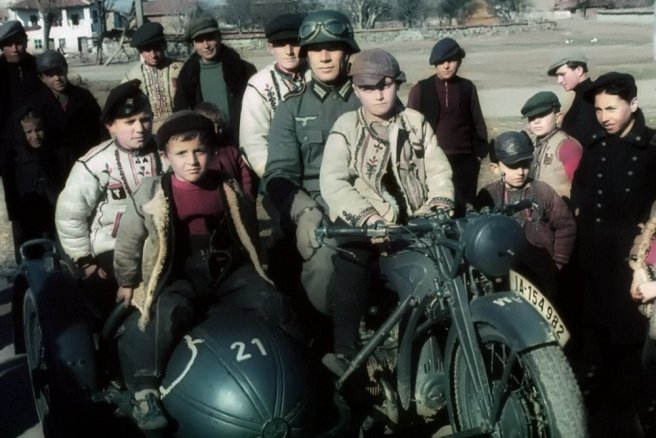
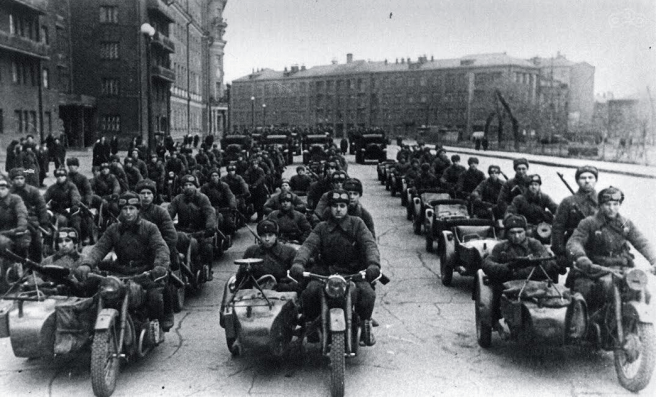
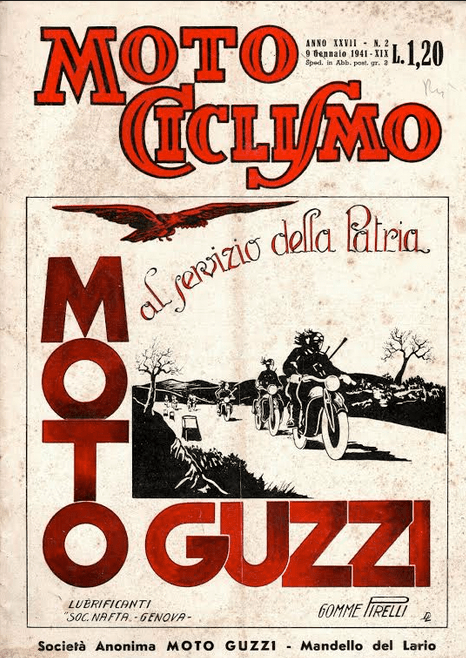

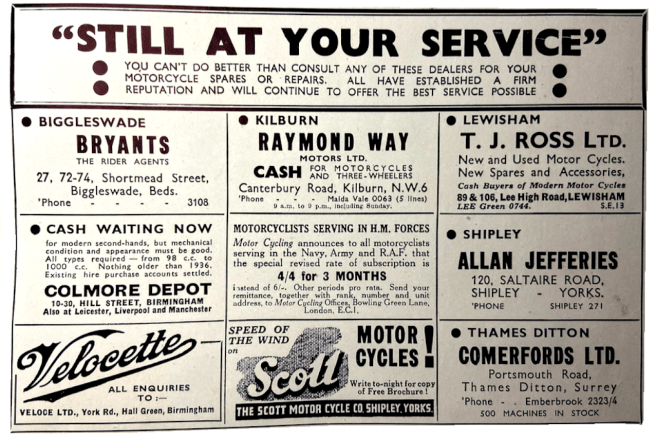
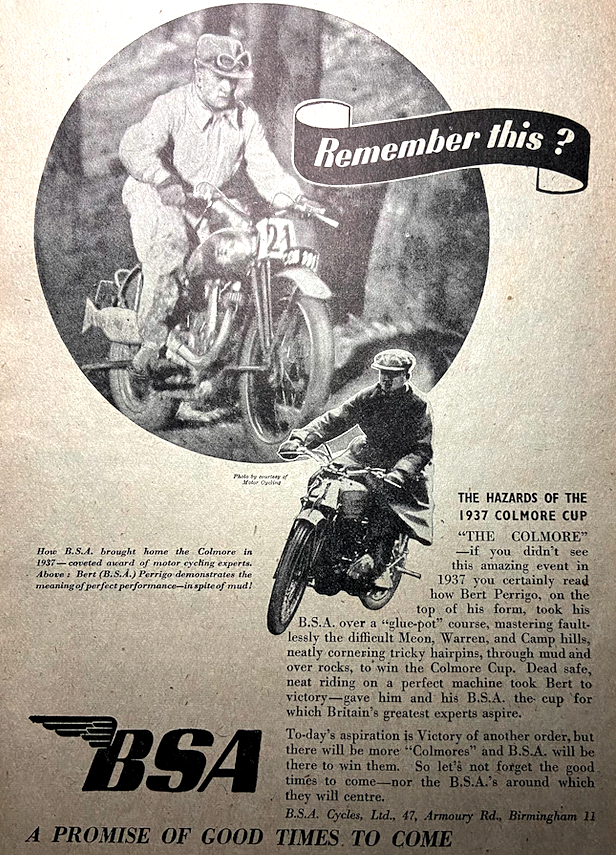
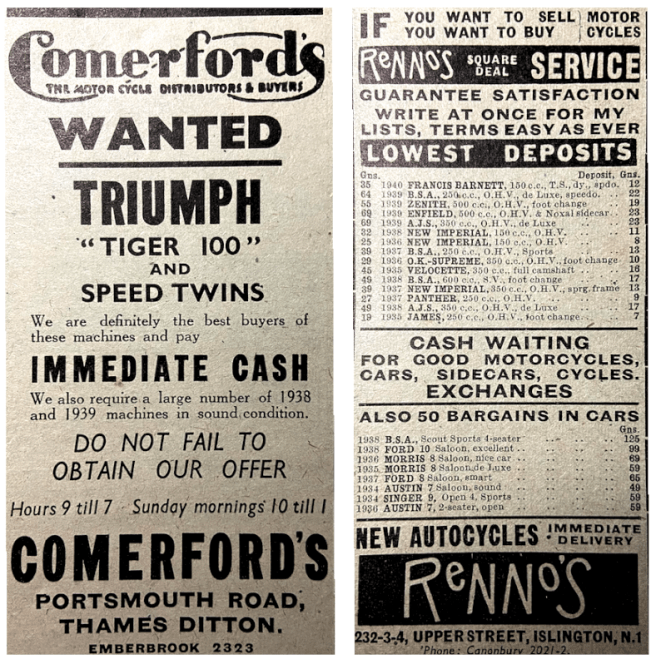
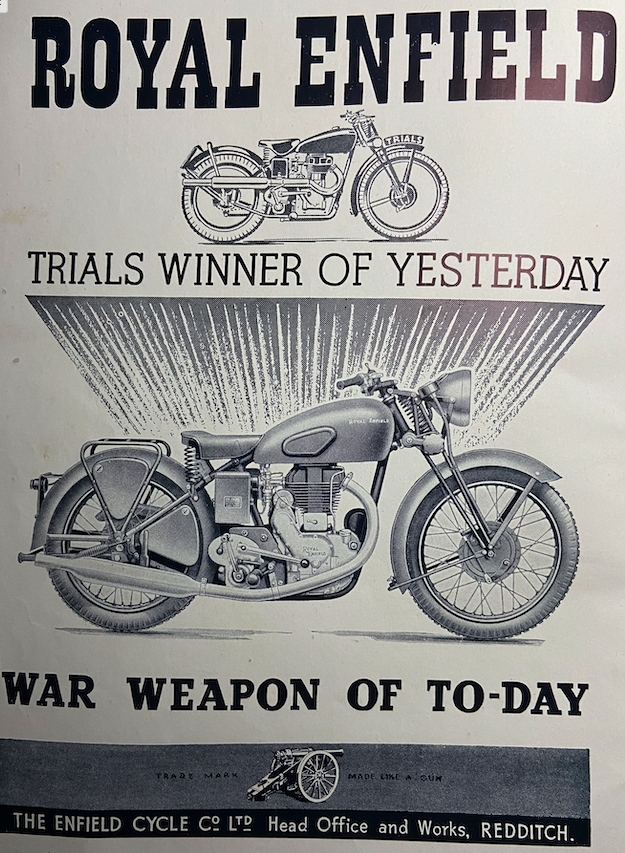
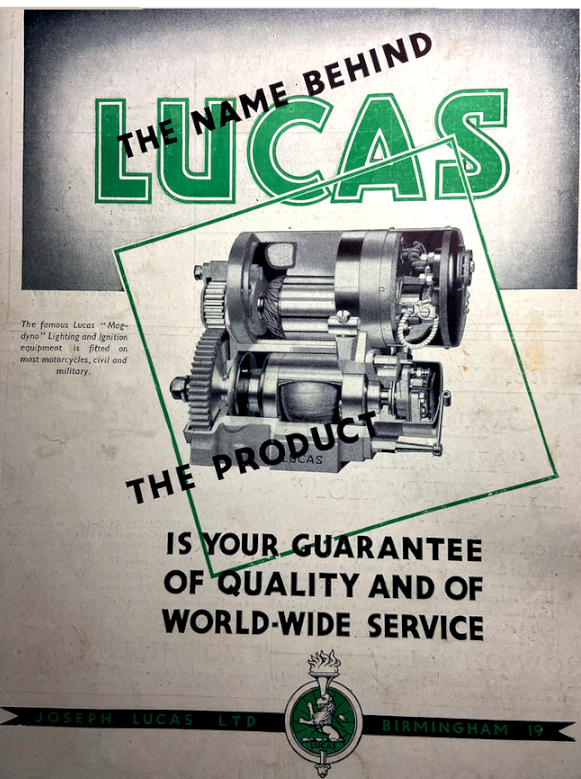
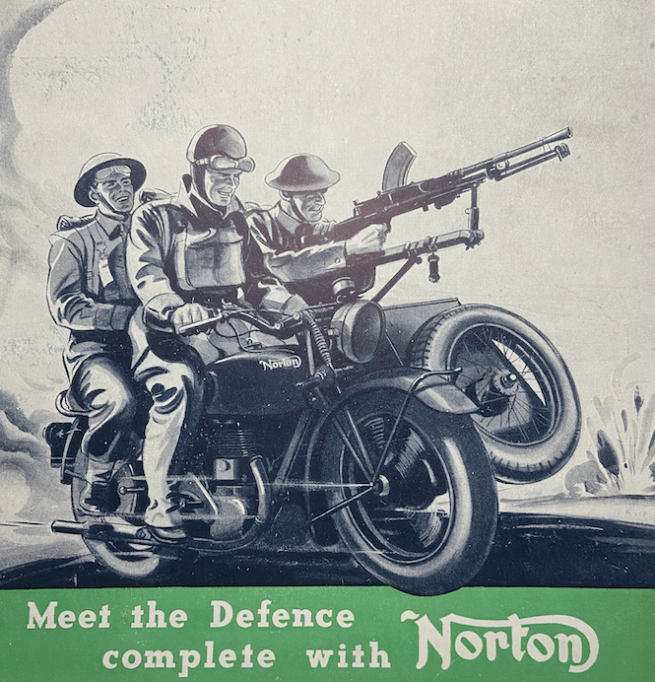
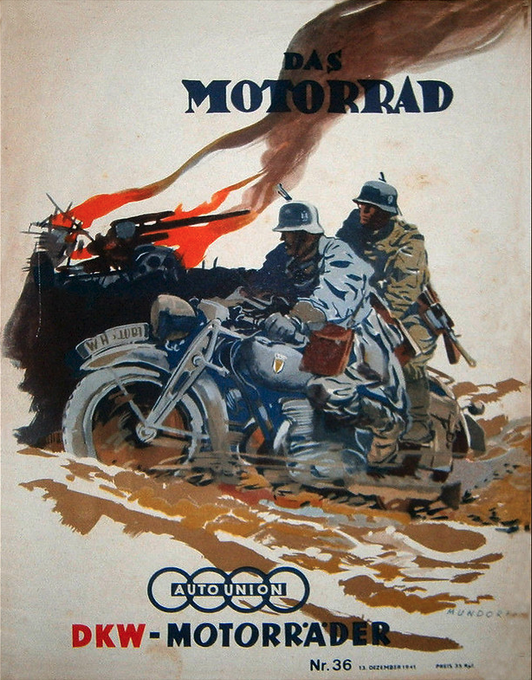
More pics of motor cycles at war in 1941 will be found in the World War 2 Gallery via the main menu; here’s a selection of contemporary ads.
 Motorcycle Timeline