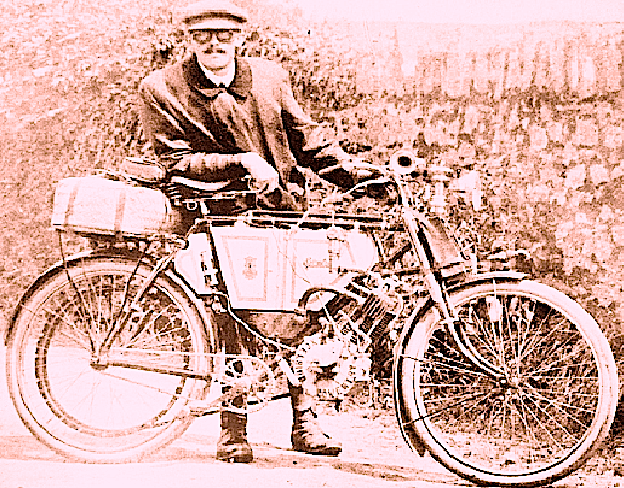
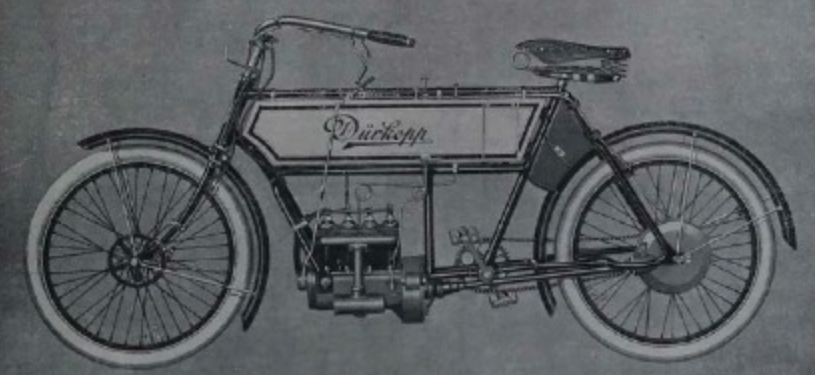
“THE BERLIN MOTOR SHOW. What a pity that such a mass of splendid work should have been displayed in so unsuitable a building as that lying in the Landesausstellungspark! It is too labyrinthine and gloomy for an exhibition of the kind…Of the motorcycle firms, Puch, Brennabor, Corona, Progress, Adler and NSU had a fine collection of exhibits. Curious to note that whereas the Adler people have abandoned the mechanically-operated exhaust valve for the automatic, the Progress have gone over to the mechanically-operated valve. The majority of the makers are occupying themselves with the commercial motor-tricycle for the transport of goods, fitting them in not a few cases with a free engine and double gear. On the NSU stand could be seen the motorcycle purchased last year by Prince Joachim Albrecht of Prussia, also the Prince’s fresh acquisition—a motor-tricycle with fore-carriage. The NSU construction—to say nothing of the Witawata belting—is too well known and appreciated in England to need any explanation here. From the Aachener Stahlwarenfabrik came some two dozen Fafnir motors from 1hp to 20hp for bicycles, cars and boats, besides miscellaneous component parts.” Four fours debuted at the Berlin show: the German Dürkopp, Gluser and Burkhardtia, and the Austrian Bock & Hollander.
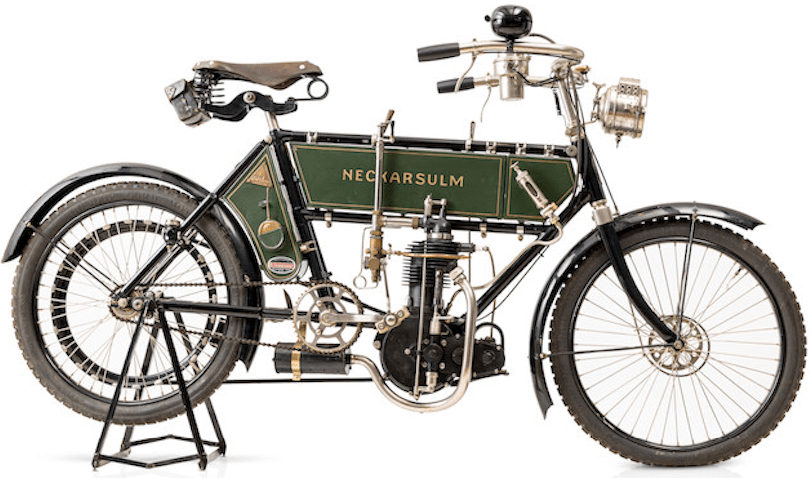
“THE INTERNATIONAL CUP (By Our Berlin Correspondent)—’The Auto-Cycle Club has despatched its challenge to the Austrian Motorcyclists Union, and will prepare to send a team to race for the International Autocycle Cup on the course, near Tabor, in Bohemia, in June next. It is probable, in view of the fact that the Automobile Club will be holding no event in the Isle of Man in May, that the eliminating race for ‘The Motor’ Cup will be held in private grounds in England. The troubles which arose in Germany and Austria in consequence of the decision of the leading automobile clubs to exercise a suzeranity over motorcycling promises to be cleared up, the chief officers of the International Federation of Motorcycling Clubs being agreed on a modus vivendi, and the English club (as well as, in all probability, the French club) agreeing with, the principle on which the decision of the Automobile Clubs was based…Messrs Laurin and Klement’s attitude towards the Coupe Internationale is still “wroppt in mystery”; nothing of any definite shape can be drawn from them. Dark hints are thrown out as to “certain circumstances” which prevent them from coming to a decision as to participation, and I hear, too, from the director himself, that these “certain circumstances” do not exactly square with the grounds set forth in a previous note of mine on the subject. Sooner or later the veil will be lifted, I am told. And with that self-evident fact I must be content. In the meantime, Austrian motorcyclists—if the opinions of the Vienna correspondent of the Deutsche Motorradfahrer Vereinigung faithfully reflect views in general—are indignant at the French Motor Club’s belittlement of the contest by deputing the Gillet firm to uphold the French flag and organising an international championship. The correspondent’s remarks are highly interesting and I quote a few. He writes: “In the first year the French were able to defend the prize successfully, but when it slipped from them in 1905 they pulled long faces, and now attempt to shear away the significance of the Coupe Internationale by instituting an international championship. What happened with the Gordon-Bennett Cup is being repeated on a small scale in this case. The race ho longer serves their purpose: ergo, down with it! The English would say it was not ‘fair play’, and they would be right. A sportsmanlike nation like the English, for instance, would now strain every nerve to regain the prize; and if they, in possession of the prize, were to declare, on some ground or another, their intention not to start, they would be acting correctly. But the French Motor Club has not done that. It has delegated, for the sake of appearance, a firm of no importance, and organised a race of its own, with the object of overshadowing the Coupe Internationale.”‘ Not to mince words, the Vienna correspondent accuses the French of being afraid to meet the Austrian teams, and I hardly think few people outside France will be found to disagree with him. An Austrian team, on their own ground, and mounted on their own excellent machines, will be a terribly hard nut to crack—accidents barred. Although, as stated above, Messrs Laurin and Klement are keeping in the background, the correspondent is in a position to state that their machine will, at any rate, be represented by the well-known amateur Count Kolowrat. The Linser firm, too, besides Puch, are likely to start. As to Germany, I heard to-day that the Brennabor people would certainly make an effort to win the cup. The Brennabor machines are good; nor are first-class men wanting to drive them.”
“WILL THE GERMANS participate in the ‘Coupe Internationale’? Germany is supposed to have entered four machines for the trials, but of the two firms one maintains absolute silence, whereas the other flies in the face of official declaration and states that it has ‘not yet entered’. Truth to tell, most Germans take the same view as recently enunciated by Laurin and Klement: the game isn’t worth the candle. To begin with, contests of the kind are very expensive; in the second place, the machines can be used only once, and then pass to the scrap heap; in the third, the lightness of such racers imperils life and limb, and throws a heavy load of responsibility on the competing firm. I notice a suggestion that the German motorcycle should arrange an international tour on ‘Herkomer’ lines, the object being to put the ordinary touring machine—the practical article, that is.’—through a stiff ordeal. Possibly a ‘Professor Herkomer’ will oblige. Given the ‘Professor’, the German Motor Cycle Association, which has nearly 12,000 members on its roll, would doubtless organise a tour.”
“THE EXPENSES OF THE British representatives in the International Cup Race for motorcycles, which this year takes place in Austria, are likely to be very heavy, and the secretary of the Auto-Cycle Club appeals not only to members of the trade, but to motorists generally for a contribution to the fund which has been established to help defray the expenses of the representatives of this country. Any amounts sent to the secretary, Auto-Cycle Club, 18, Down Street, Piccadilly, W, will be welcomed and suitably acknowledged.”
“THE FRENCH GOVERNMENT are intending to penalise “ smell ” as well as smoky exhausts.”
“ARCHDUKE JOSEF FERDINAND of Austria is, and has long been, a most enthusiastic motorcyclist. He began with a low-powered Laurin and Klement in 1900, and has ‘stuck’ to the make ever since, nearly every year the Archduke acquires a new machine of the very latest pattern. He appears to prefer the motorcycle to the car.”
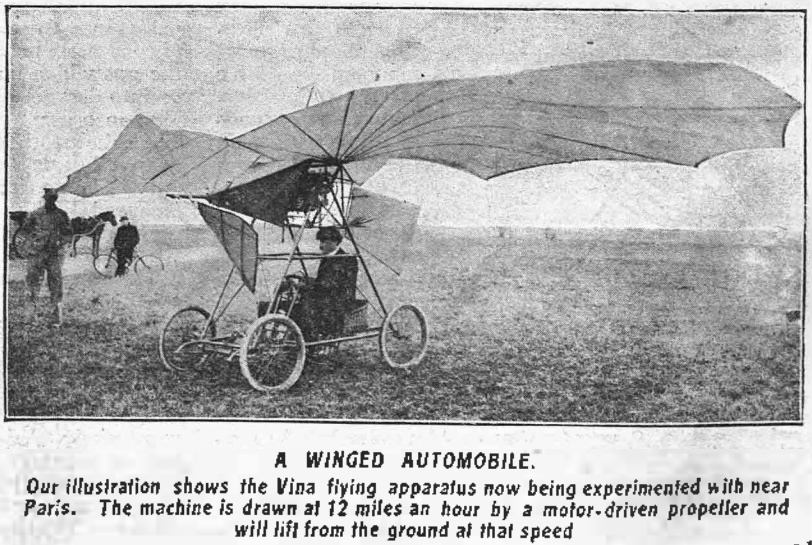
“BEFORE A LARGE GATHERING, at the Society of Arts, London, Mr Claud Johnson read a paper on Wednesday last on the ‘History of the Horseless Carriage for the Twenty Years Preceding 1905’. But he really started with the year 1831, when a select committee of the House of Commons reported their belief that ‘the substitution of inanimate for animal power in draught on common roads, is one of the most important improvements in the means of internal communication ever introduced’. In 1835 Gottlieb Daimler was born. He had a passion for mechanics, worked at a gun factory in Alsace, and at a steam locomotive works at Manchester: he then joined Dr Otto, who was endeavouring to devise a satisfactory gas engine, and later the Otto gas engine was produced, although it is not claimed that Daimler took part in the invention of it. Daimler produced his first petrol-driven half-horse-power light motor in 1885, and in 1886 he built a motor vehicle and a petrol-driven launch. He died in 1900, having given the world something new. Carl Benz, as a pioneer, produced a motor-tricycle with an engine having a horizontal water-cooled cylinder, and in 1886 patented a radiator, his first small car being made in 1888. Benz used electricity for firing his charge years before it was adopted in France. England had not been idle, for at the Inventions Exhibition in 1885, Edward Butler showed a motor-bicycle driven by a petrol engine, but the law of the land prevented him from carrying his invention further. The year 1885 is, therefore, a famous year. How Sazarin, Otto’s French agent, secured the French right in Daimler patents and arranged for the manufacture of Daimler engines by the firm of Perrin, Panhard and Co; how M Levassor, a member of the firm, married Sazarin’s widow, and thus secured those rights, and how Levassor set out to design a complete carriage, were matters dealt with by the lecturer. Daimler had produced a motor and a belt-driven car; Levassor produced the motorcar which, with its engine placed vertically in front under a bonnet, its clutch, gear box, countershaft and chain drive, is virtually the car of to-day. His failures were many, but at last he accomplished his desire and drove a car from the works to the Point du Jour and back, a distance of six miles, without a stop—the greatest non-stop run the world will ever see. Peugeot bought engines from Panhards, and in 1891 produced a very successful car with four gears, designed to give speeds of 3, 6, 9 and 12mph. His engine arrangement was, however, no advance on the Daimler method. Levassor died in 1897, and, with Daimler, is deserving of some fitting memorial. Following this early history, Mr. Johnson went very thoroughly into the influence of racing, showing how it had provided the necessary incentive to progress and advancement, and how it had drawn public attention to, and secured official recognition for the movement. The work of De Dion, Bouton, as well as that of Serpollet, Levassor and Peugeot was referred to, whilst the credit of being the pioneer in this country was given to Mr Harry Hewetson, who, in November, 1894, brought a Benz car to London, and early in 1895 drove it through London, to the astonishment of the public and the police. The introduction of moderate legislation, and all that followed, are facts within the memory of most of us…”
“THE TRIUMPH CYCLE CO, of Coventry, are preparing for an entry into the motor trade, and last week the Triumph Motor Co and the Triumph Engineering Co were registered, each with a capital of £100, with the obvious object of protecting the titles.”
“UP TO THE END of January 9,049 cars and 5,138 motorcycles had been registered with the London County Council.”
“THE DUKE FRANZ JOSEF of Bavaria and Prince Albert of Belgium have both joined the rank of motorcyclists. Each has gone in for a four-cylinder machine.”
WH KING SET AN AUSSIE record by riding his 7hp Peugeot twin from Launceston to Hobart in Tasmania (121 miles of rough going) in 2hr 53min—an average of 42.5mph—despite about 6min delays at two railway crossings. The 22-year-old was born in Sleaford, Lincs. A UK correspondent noted the feat “shows the interest taken in motor cycle matters by our antipoidean brethren”. However, Charlie (Matchless) Collier was distinctly unimpressed: “With reference to the extract from an Australian paper describing an Australian motor cycle record by WH King, in which comparisons were made of the respective performances of Mr King in his record ride and myself and brother in the [Coupe Internationale] English Eliminating Trials of 1906, I should like to know if in his ride he had to encounter V corners which necessitated slowing down to about 10-12mph every few hundred yards or so? Also, if his 80×98 twin engine, as compared with my engine of 76×95, was restricted to a weight of 110lbs? Regarding the query as to Mr King’s ride being a world’s record, I should like to recall such performances as that of Wondrick in the 1905 International Race or of Bucquet in the 1905 Circuit des Ardennes, both riders averaging over 54mph on roads anything but perfect, and with machines weighing under 110lb.”
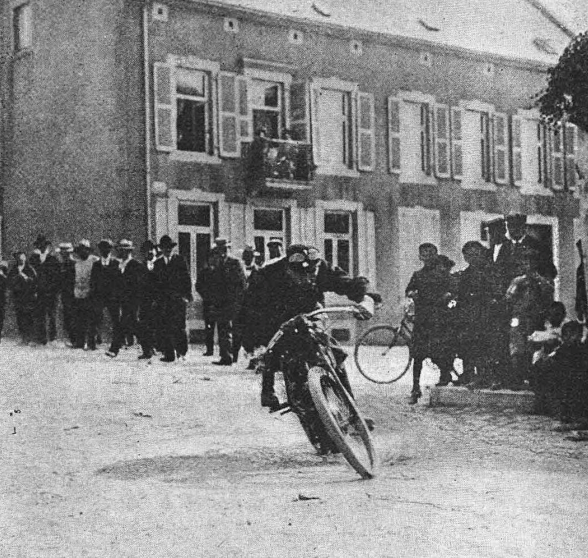
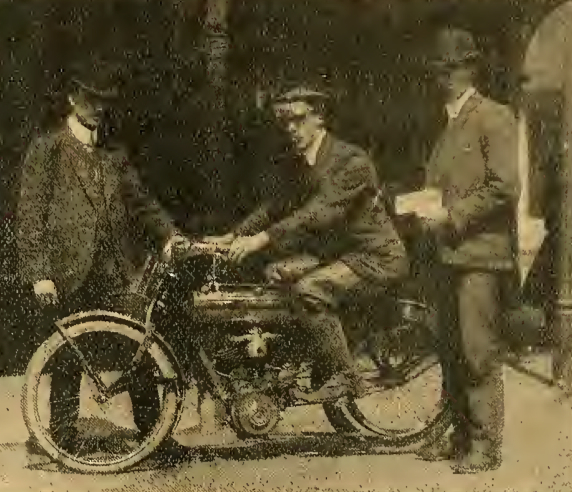
“IT IS INTERESTING to note that nine light motor bicycles under 50kg-110lb have been entered for next week’s Tour de France reliability trials…The entries now consist of 15 motor bicycles, 17 tricars and 15 voiturettes.”
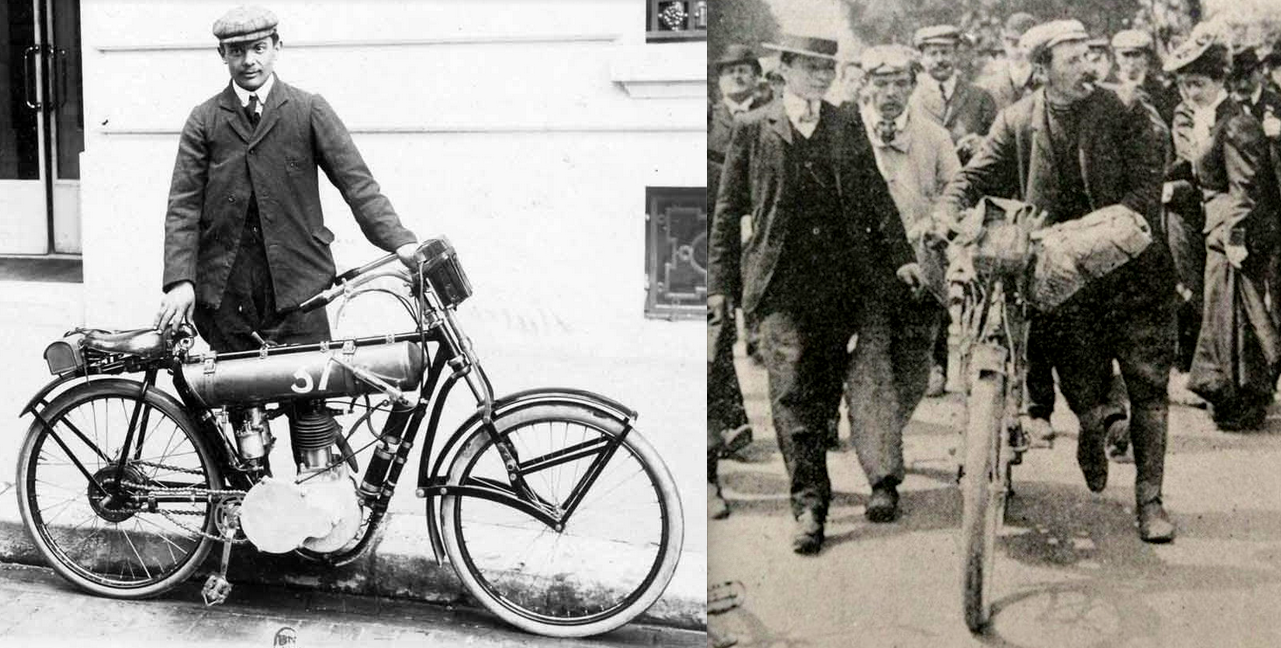
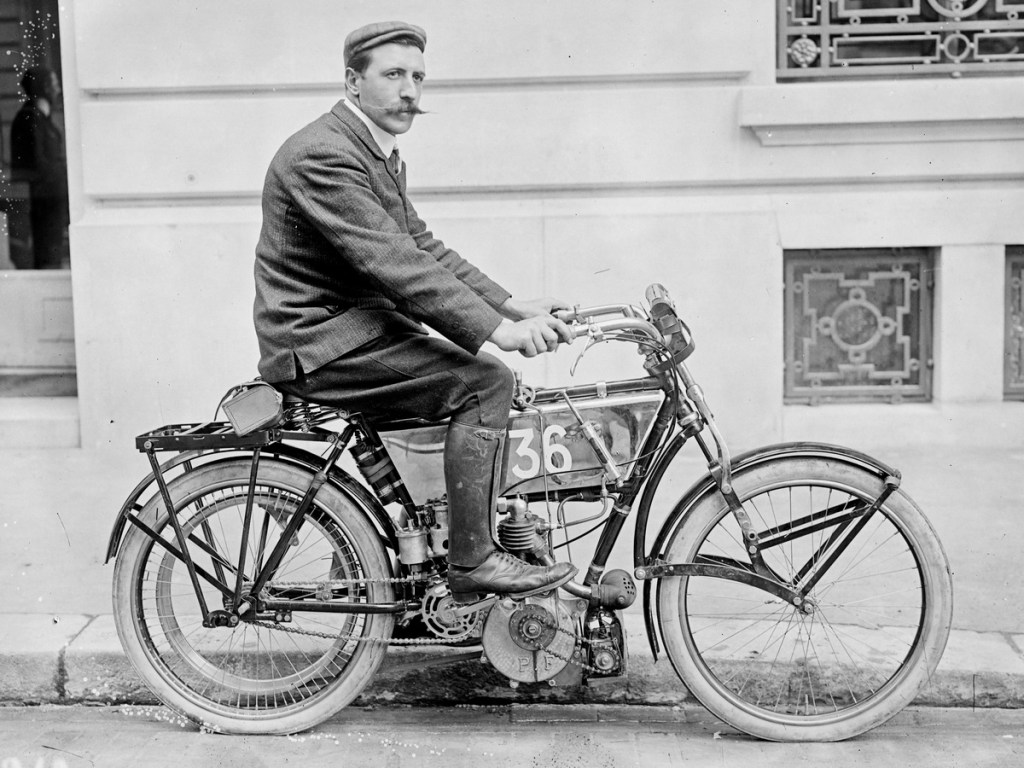
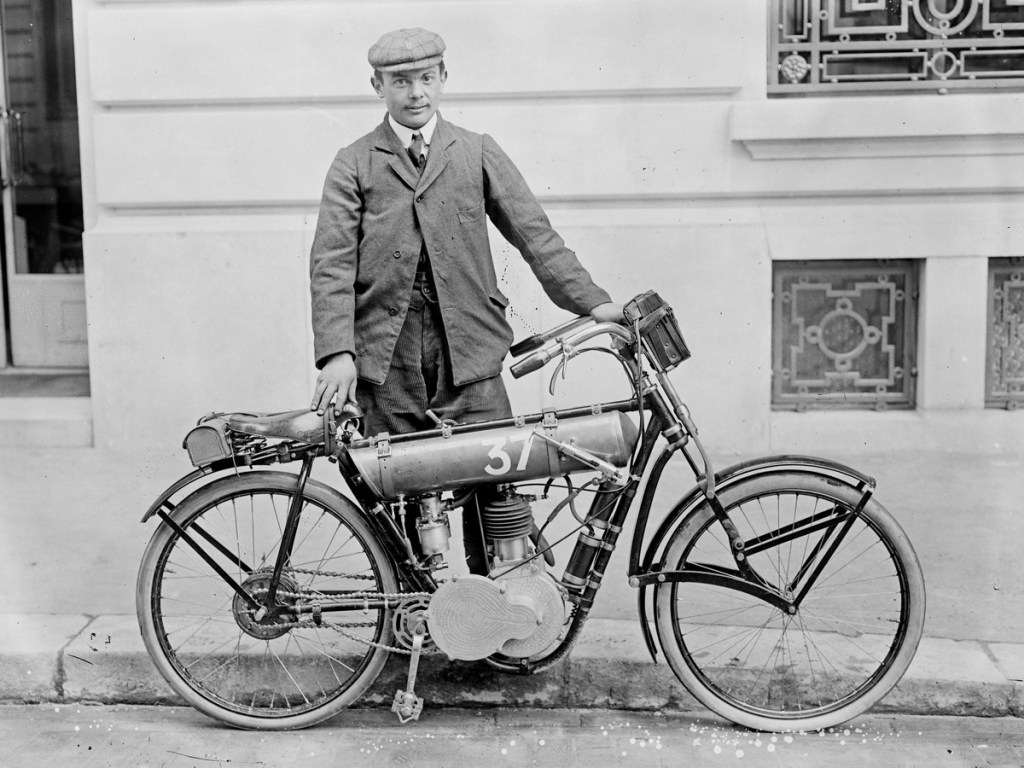
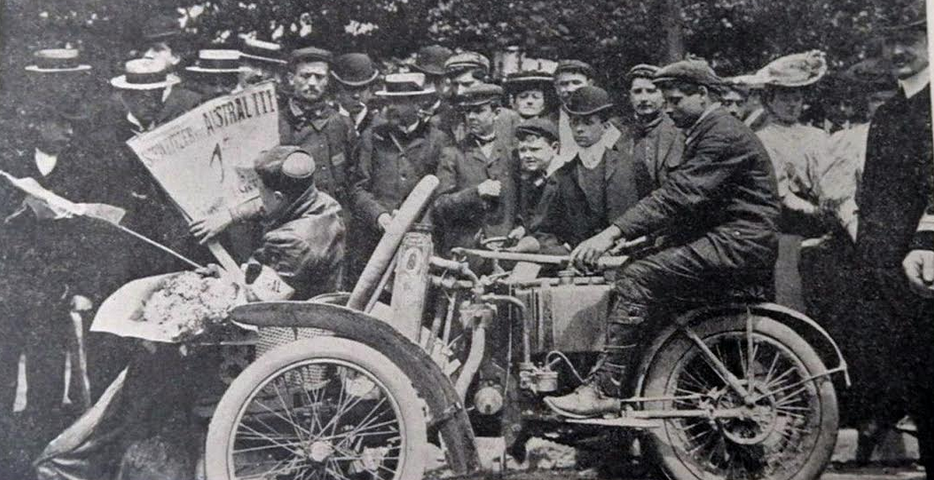
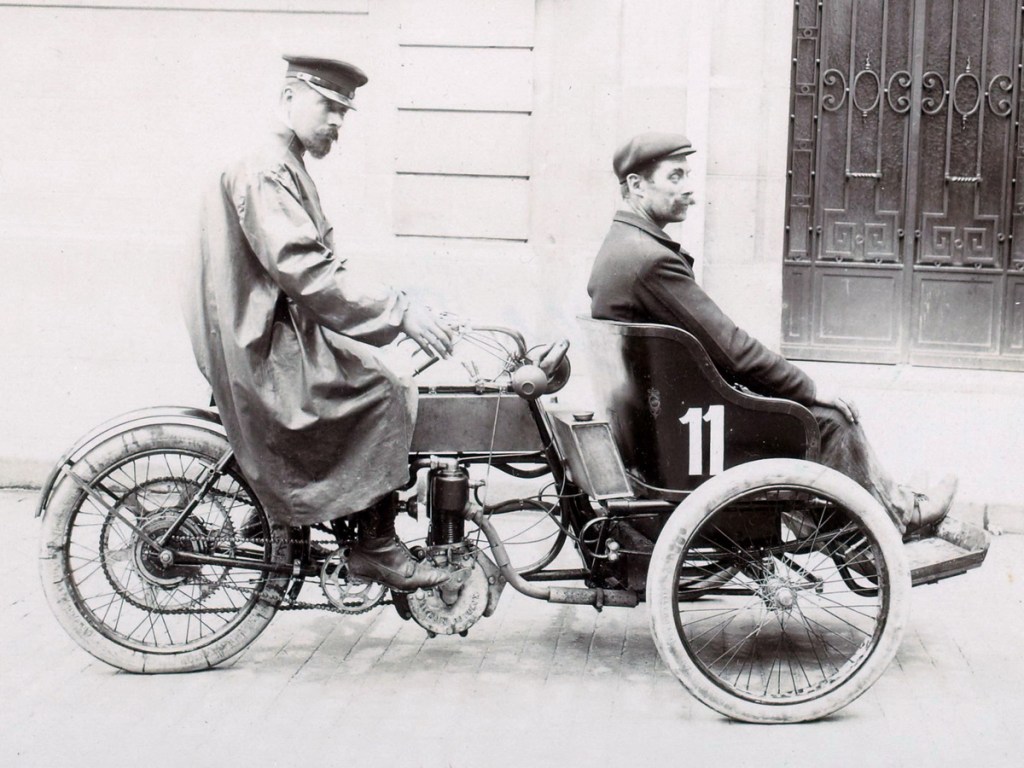
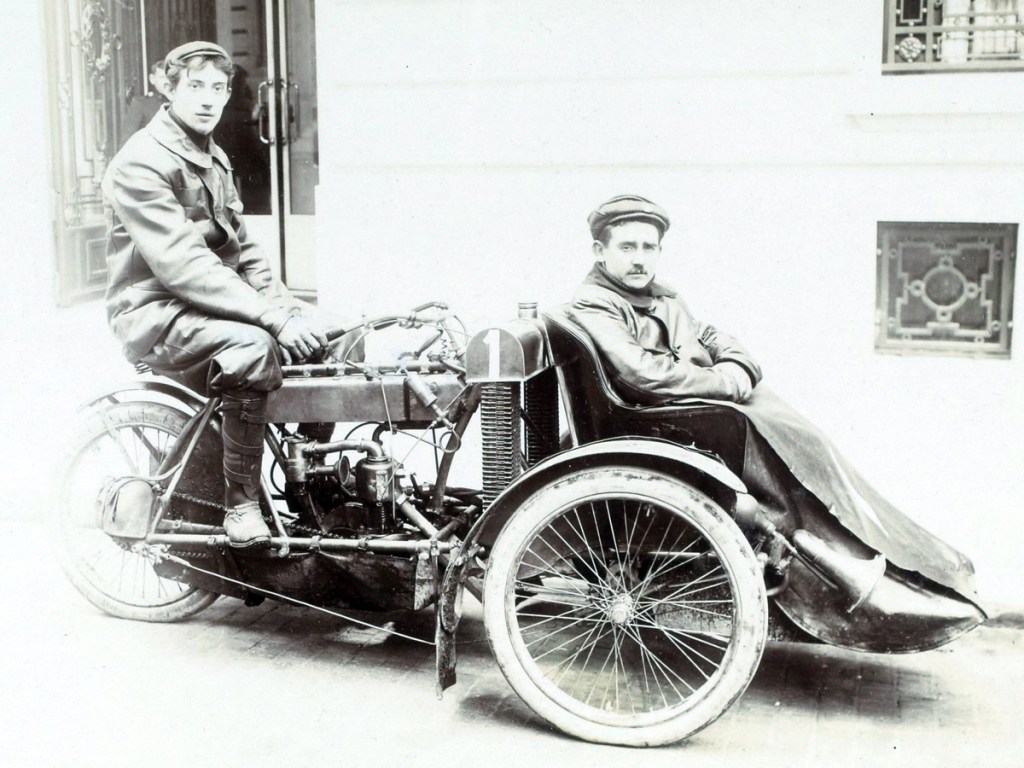
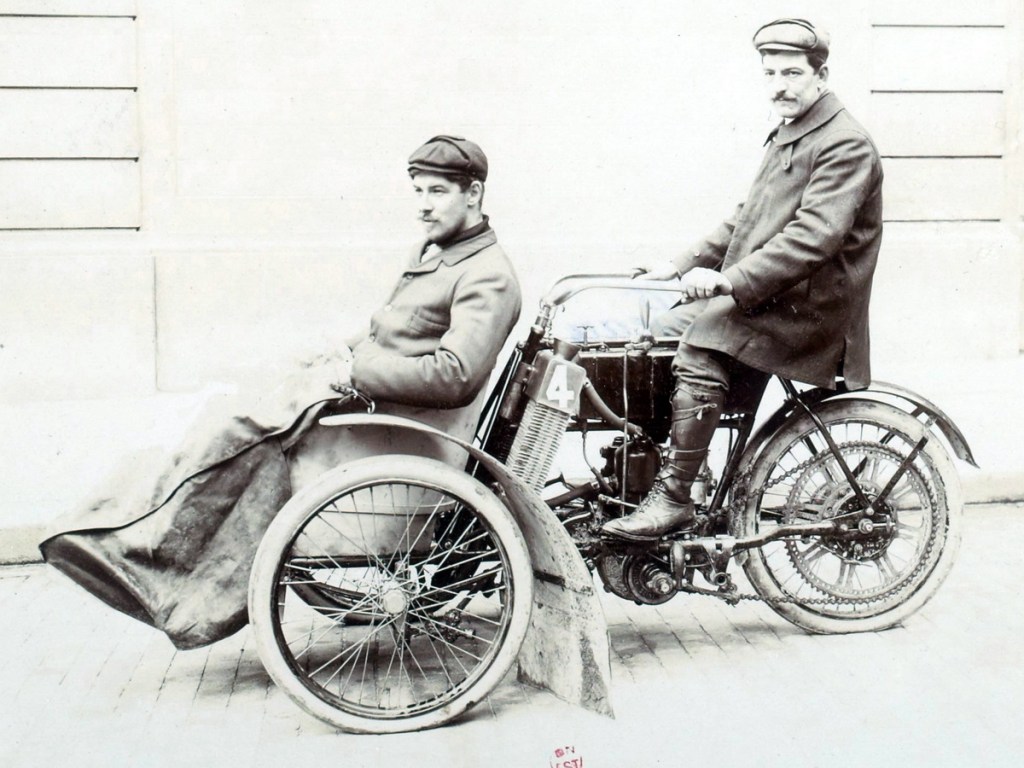
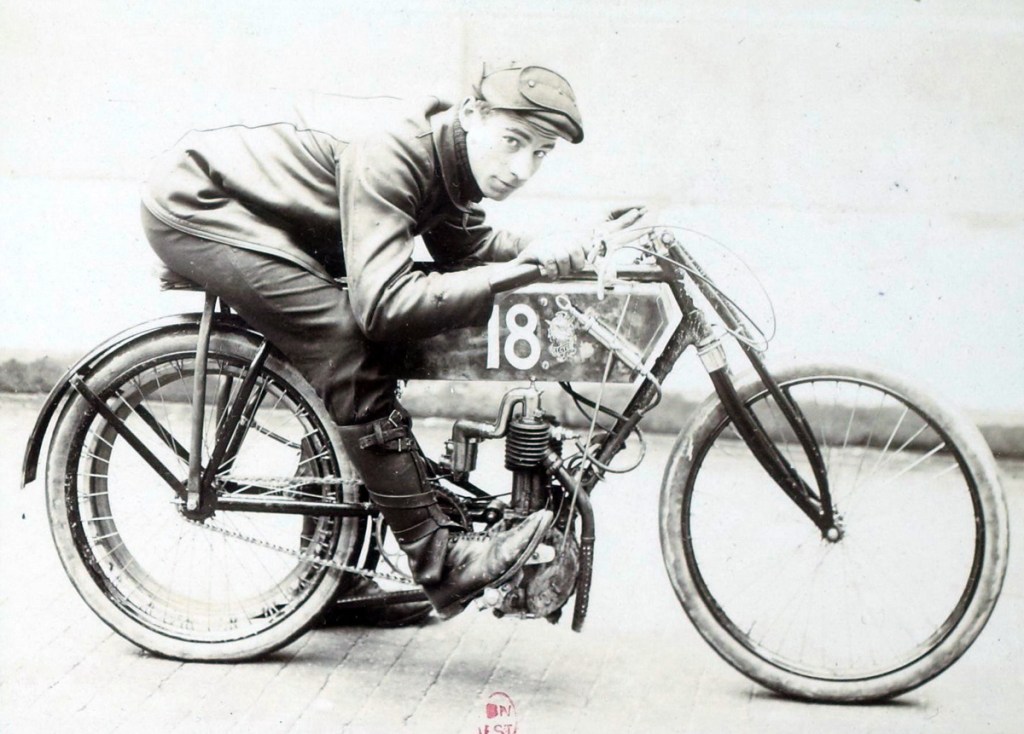
And here are some fine images of other competitors in the Tour de France (for which, inevitably, I’m indebted to mon ami Francois)…
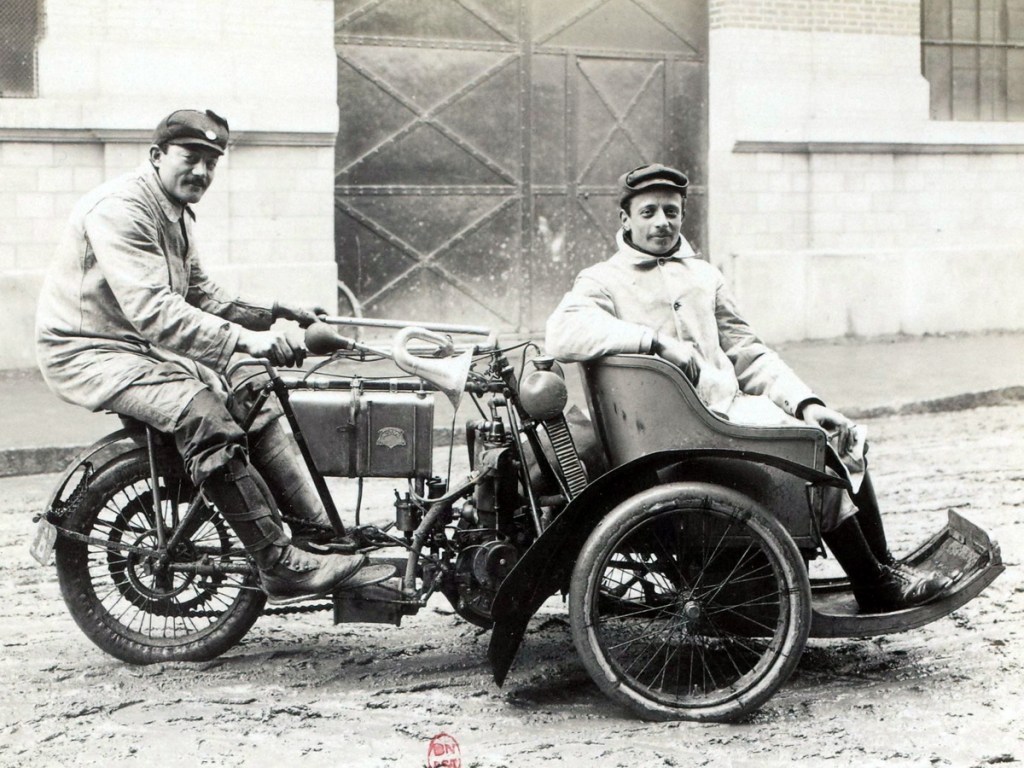

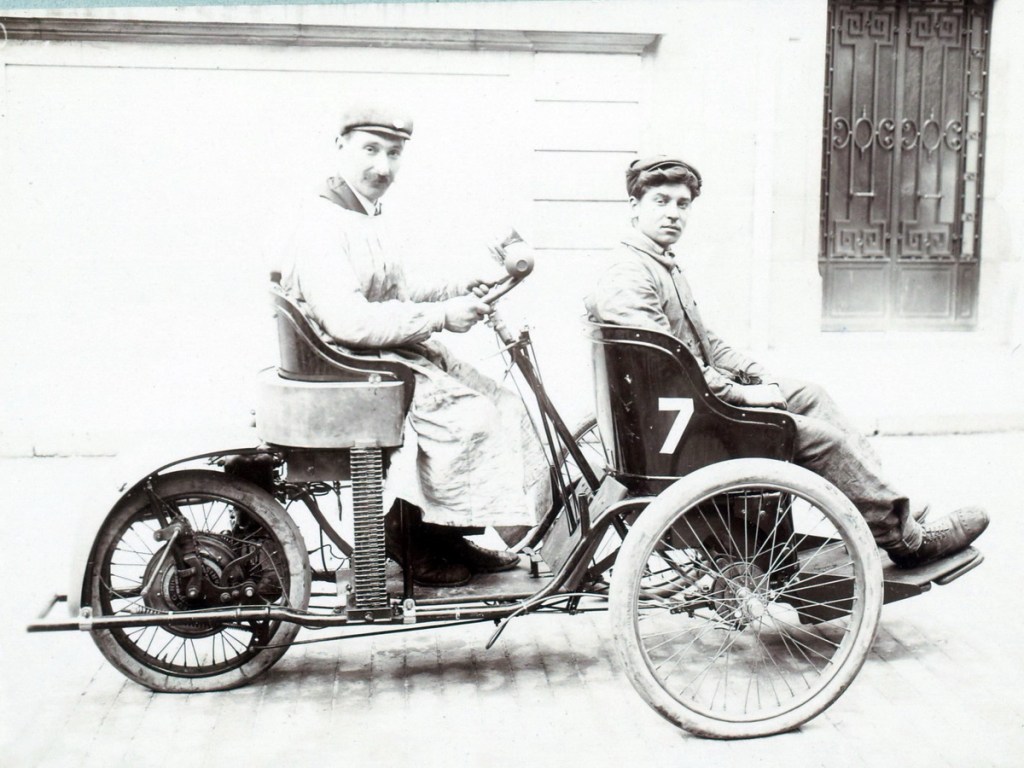
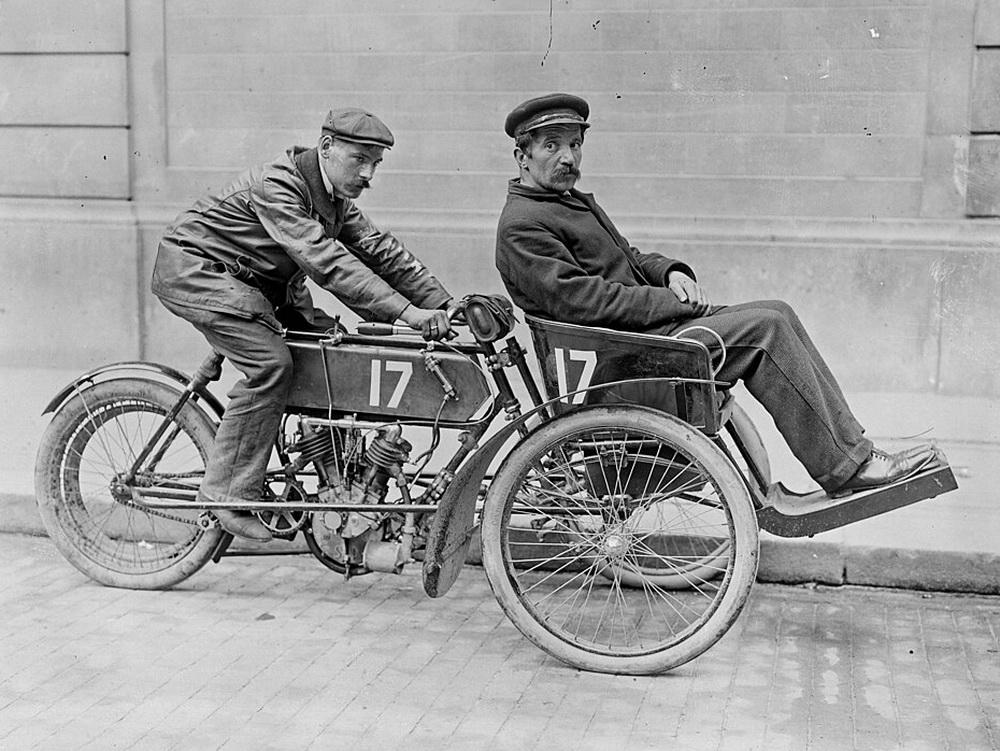
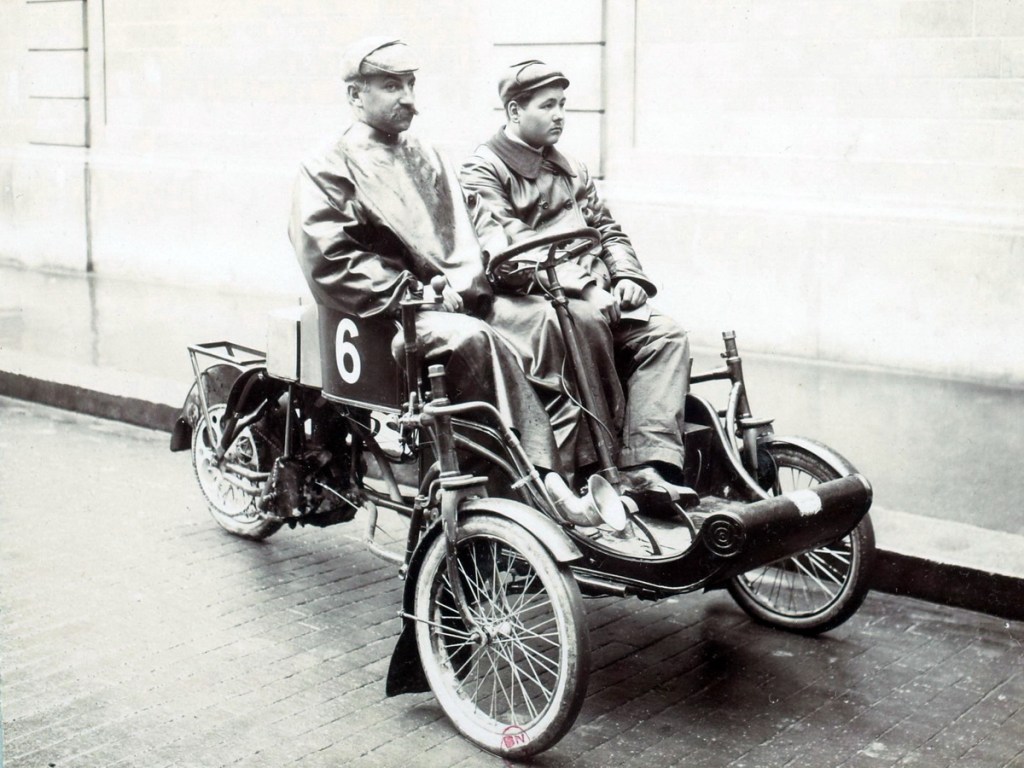
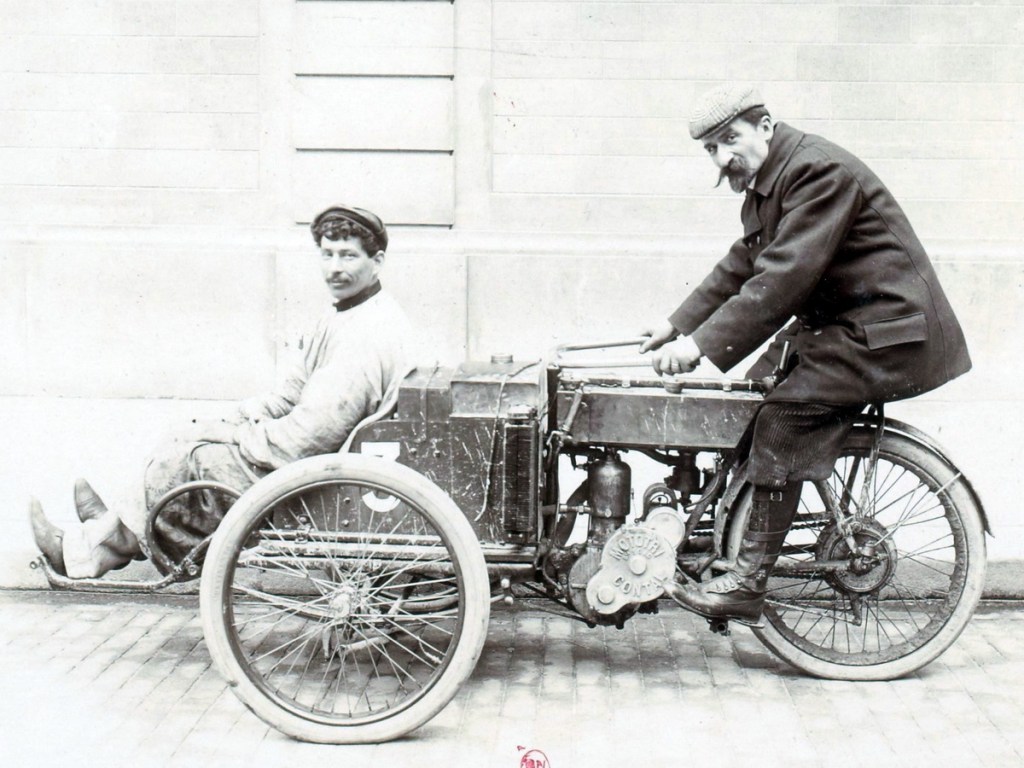

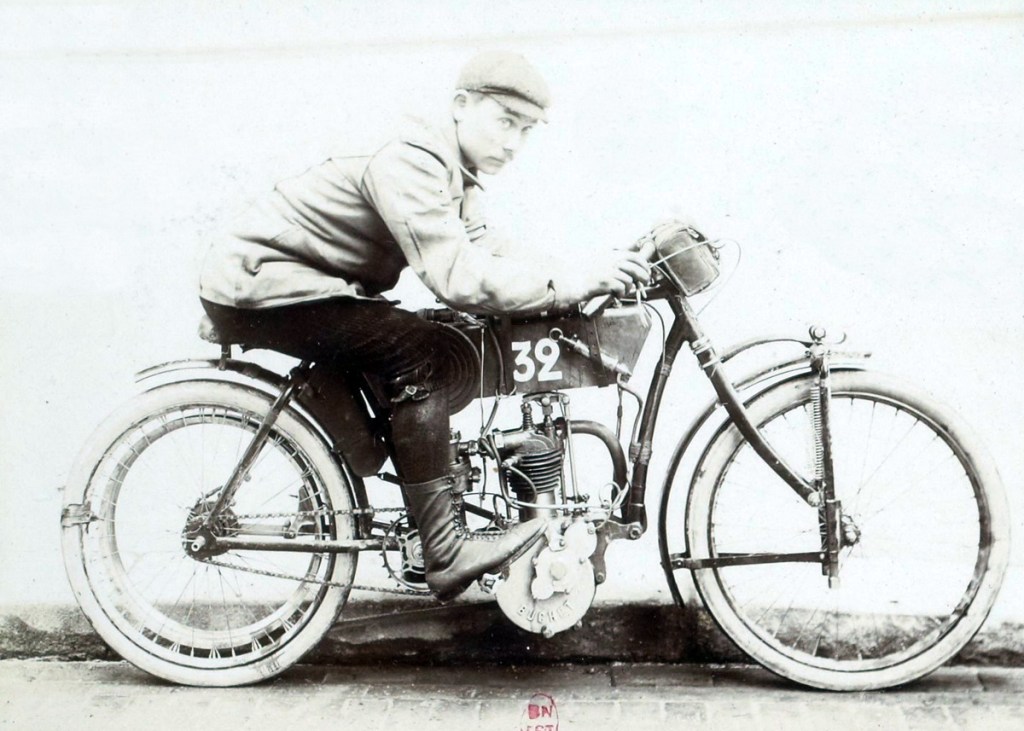
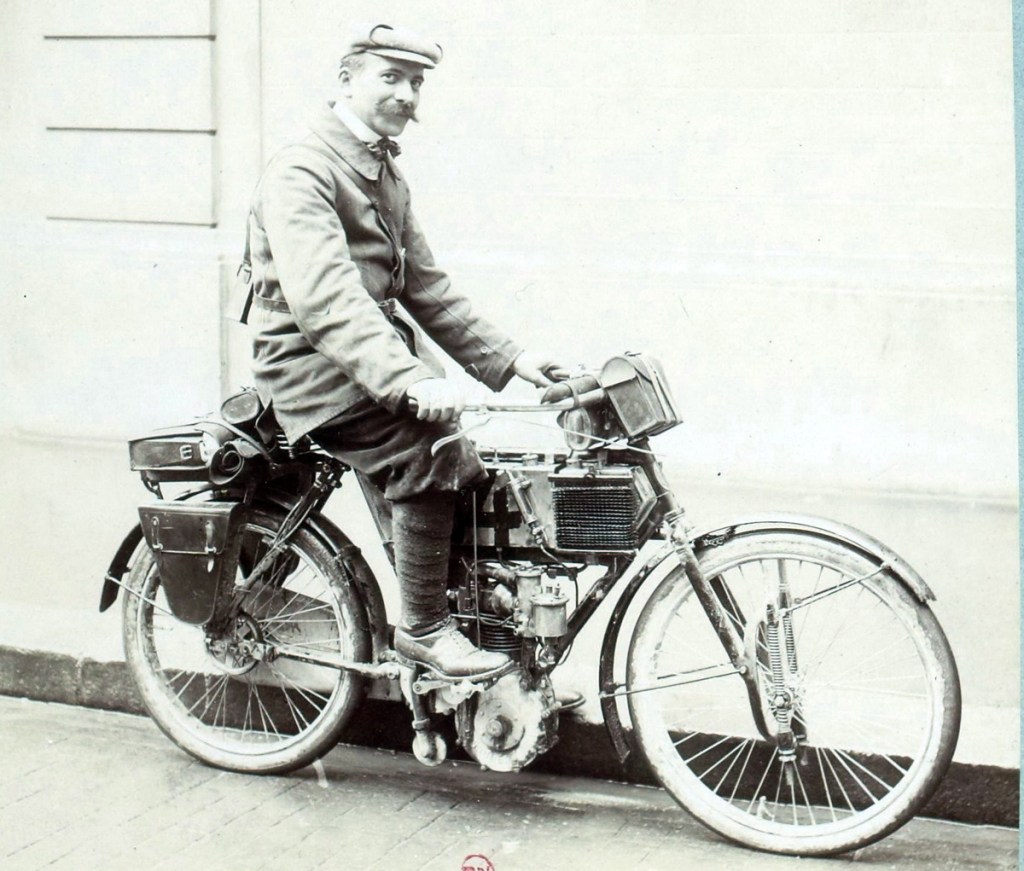
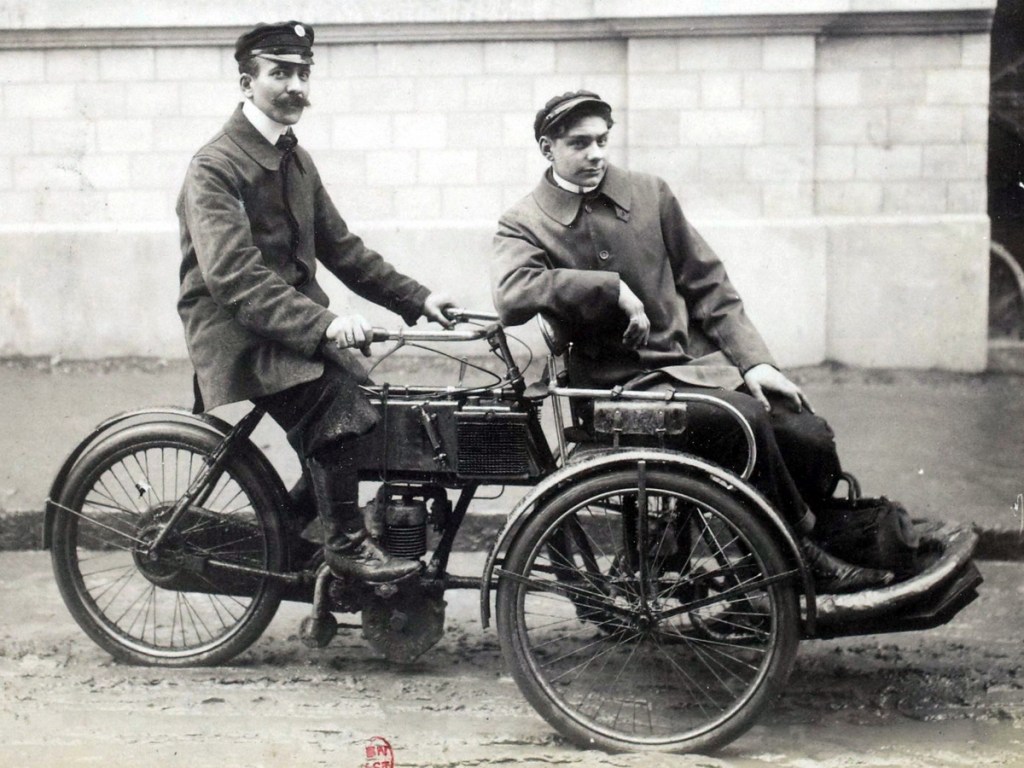
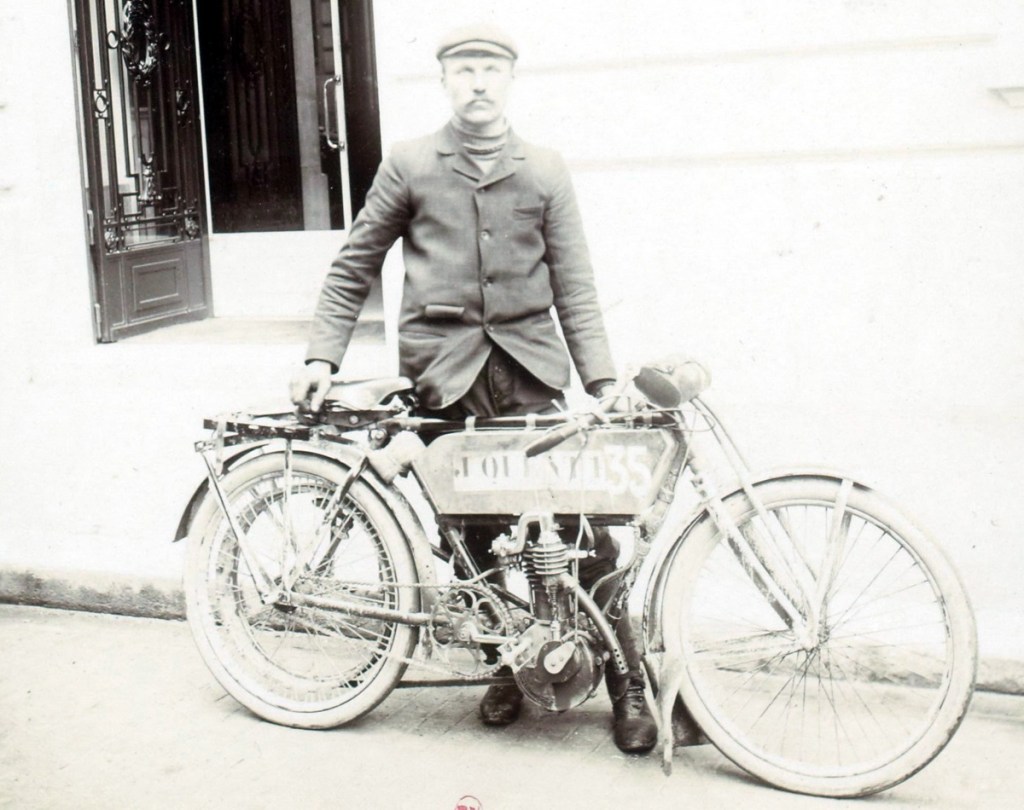
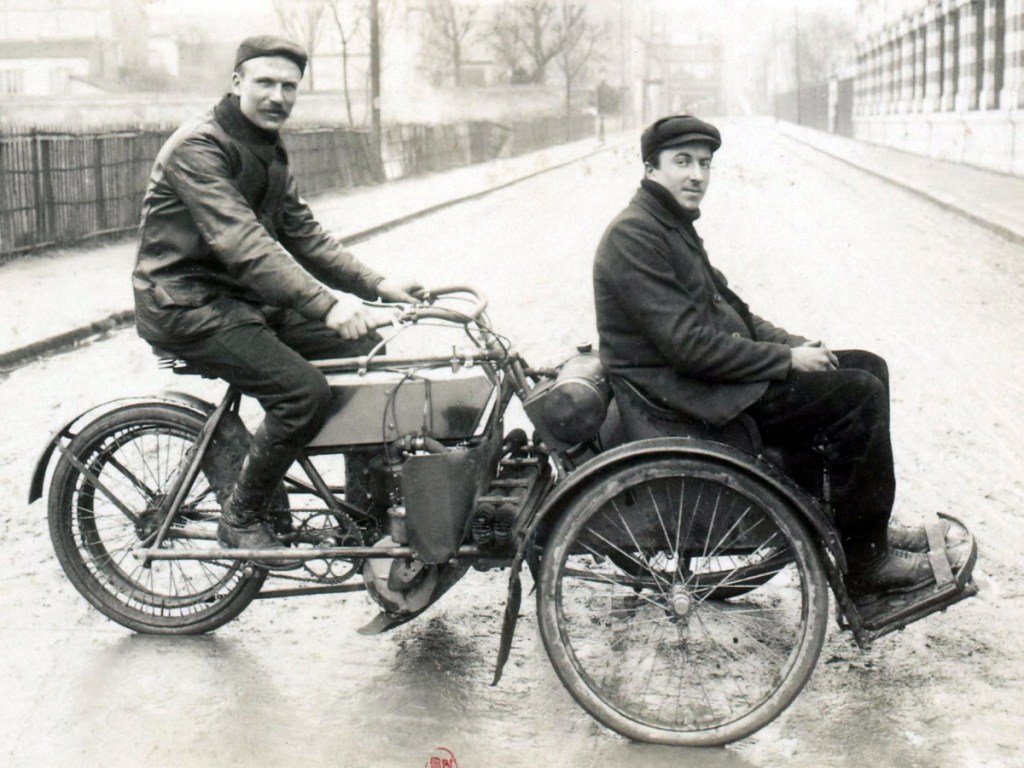
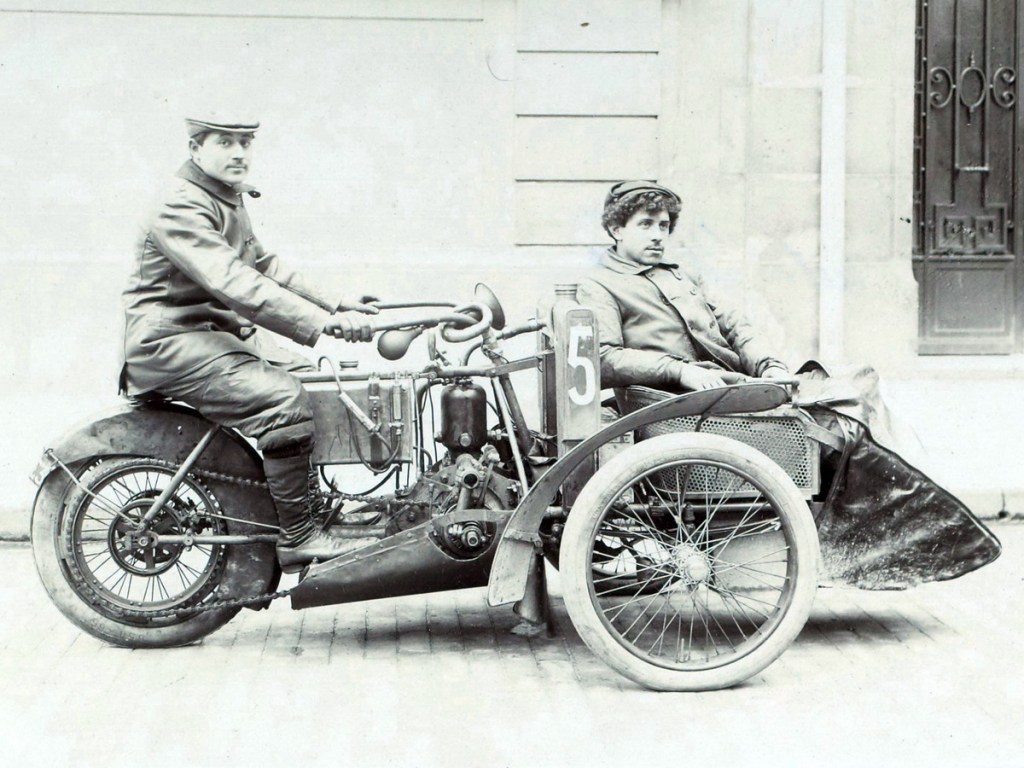
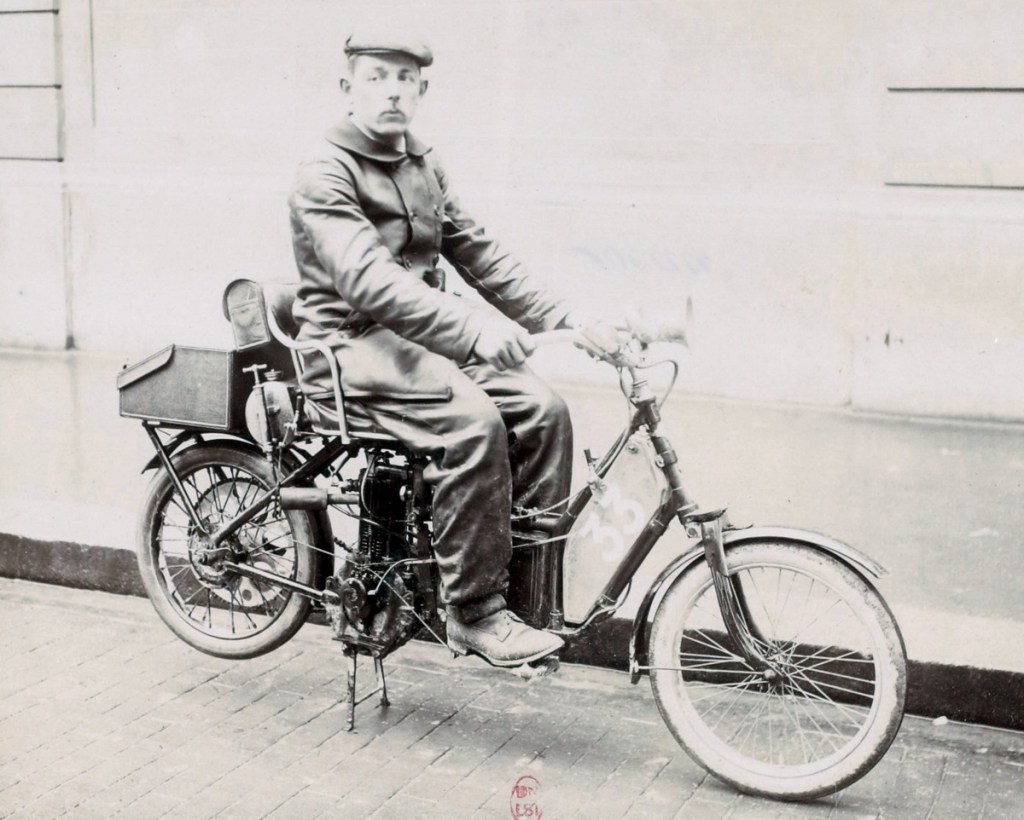
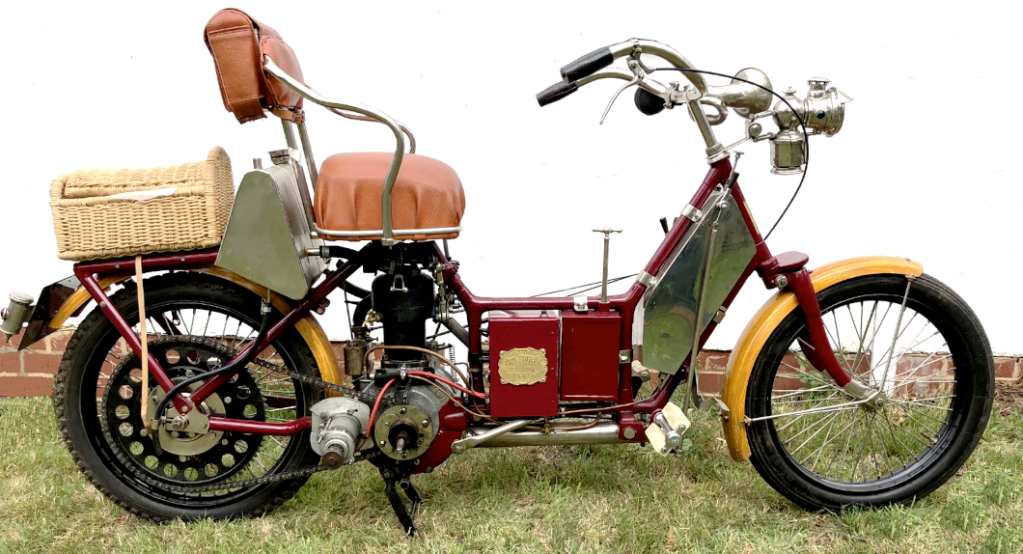
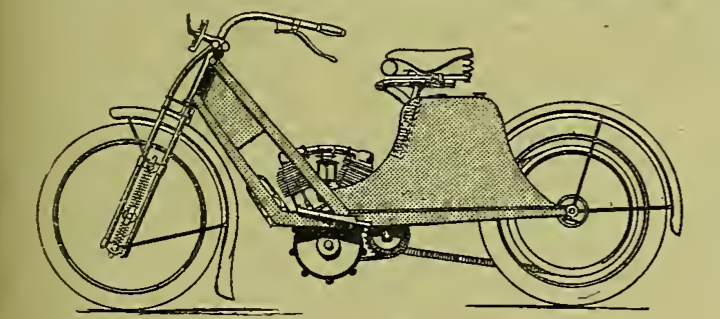
THE DRUID SPRING FORK was launched as front springing appeared on all but the cheapest utility mounts. Rex launched what might have been the wborld’s first telescopic fork; Triumph opted for a horizontal spring giving its forks a rocking motion. Rex also claimed “the largest output of any motor cycle company in the world”.
SIDECAR OUTFITS outsold tricars for the first time.
“LAST WEEK WE reproduced a photograph of a group of over 20 Newcastle motor cyclists. On investigation we were surprised to find that there are only three British made machines among them, only two—one tricar and one motor bicycle—being of standard make.”
THE RAC ORGANISED a series of speedometer trials.
“I SEE THAT IN The Motor Cycle you bring forward the suggestion of having a motor bicycle Tourist Trophy Race… As the race is intended to foster touring machines I think a fuel limit of ninety miles to the gallon would be preferable, thus allowing the more average type of touring machine to compete. I find by calculation that an 8Ox80 [400cc] engine to climb a gradient of one-in-six with the minimum weight would be geared abnormally low for a touring machine (ie 6¾-to-1). Of course, this would encourage change speed gears, which may or may not be desirable. The suggested weight allowances and absence of pedalling apparatus seem excellent.—(Reader’s letter.)”
THE NORTON RANGE INCLUDED a 700cc Peugeot V-twin–French ace Henri Cissac rode a 110lb, 16hp (2,500cc) Peugeot-engined motor cycle at a world record 87.3mph. But away from the race tracks the once-dominant French industry was beginning to stagnate.
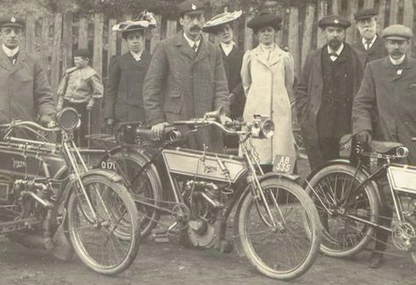
EXACTLY 1,747 MOTOR CYCLES were imported into Britain, 739 were exported. And exactly 26,792,687 gallons of petrol were imported (up from 18.658,391 in 1905 and 11,972,459 in 1904.
“We know of a reader who has on several occasions ridden from Birmingham to London and back in a day, He uses his motor bicycle in his business as a builder, and finds it indispensable.”
“AT THE HATFIELD Police Court on the 30th Ult Mr CD Clayton was summoned for driving his 2¾hp Minerva over a timed distance of three miles at a speed—according to the police—of 45mph. Mr F Straight, secretary of the Auto-Cycle Club, gave to evidence to that to drive a 2¾hp machine at the speed alleged was impossible.”
HARLEY DAVIDSON LOST its first employee. Perry E Mack set up his own company to produce single-cylinder ohv Waverley engines; before long he was making complete bikes. He graduated to twins in 1910.
IN THE 1906 YALE-CALIFORNIA catalogue the makers claimed: “We were the first to use the spring front fork on a motor cycle”.
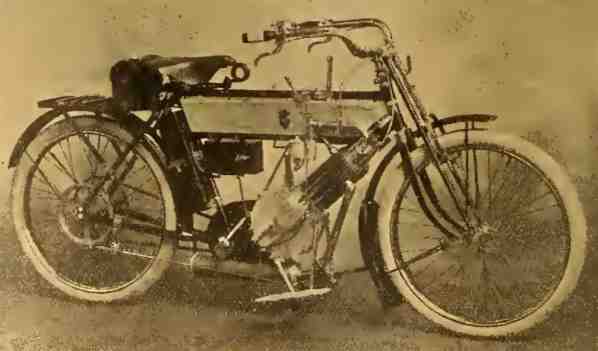
FROM A SHOW REPORT: “A machine that is worthy of special mention is the 3½hp Phelon and Moore. As a thoroughly up-to-date motor bicycle possessing all modern requirements the 3½hp Phelon and Moore stands pre-eminently in the first class. The frame is so low that the rider’s feet can easily reach the ground; the engine also, which should be of ample power for the most fastidious rider, is suspended low down in the frame. No pedals are fitted, nor are they needed since the machine is fitted with the firm’s well-known two-speed gear and chain drive. The handle-bars are long, the saddle is set well back and good footrests are provided; consequently, the rider’s position is most comfortable. Gas is supplied to the engine by a Vapp carburetter (sic) fitted with two throttles, one over the spray chamber, and the other—a Bowden—is an auxiliary one controlled by a twist handle. Two good brakes are fitted, the rear one being a large brake band controlled by a pedal and the other a good-sized rim brake on the front wheel. Excellent spring forks are also provided. The workmanship and finish are of the highest order and leave nothing to be desired.”
HARRY MARTIN SNAPPED up world records from 100-200 miles aboard a Kerry at the Canning Town track.
THE RIDER OF A 3½hp Minerva who wanted to take his pal on a tour of France found a novel alternative to a trailer or sidecar: “We fell back on the idea of having a kind of glorified luggage-carrier, which should be strong enough and large enough to carry a twelve-stone passenger. It was fastened in the usual way to the back stays of the machine. The back struts were of heavy gauge tubing, flattened at the end and drilled so as to slip over the ends of the back axle. A couple of pedals from an ancient 1893 Rover bicycle were fitted below the bottom stays at 4 1/2in from the ground, and formed excellent footrests. Narrow handle-bars were fitted to the saddle pin. When starting, the modus operandi was this. I mounted the machine, and was pushed of by my chum. As soon as the engine started he jumped aboard and away we went. The extra load of passenger and luggage made surprisingly little difference to the running of the machine.”
“THE ESSEX MC OPEN HILL CLIMB ON LIPPETT’S HILL. In the midst of a most picturesque part of Epping Forest there is a range of hills, short, but rather steep, all leading up to a tableland on the summit. The King’s Oak, High Beech, stands at the top, towering majestically in an ideal position. The country can be seen in all directions for many miles around, and this was the spot selected by the Essex Motor Club for its open hill-climb. Lippett’s Hill is one of the hills on the range, and leads up from the Sewardstone Road to the High Beech. It is approached by leaving the by-road which leads to the historic Waltham Abbey and continuing along a pretty and winding lane to a fork of roads, the right fork of which brings the motor cyclist to the scene of the contest. The view is a pretty one, and the hill, being almost straight for the greater part of the distance, affords a fine spectacle of the competition. The gradient is very deceptive, and varies at almost every few yards, the last portion being 1 in 6 for a few yards, and the average gradient being 1 in 14. The length from tape to tape was 489 yards. The afternoon did not look promising, but the sun shone and dispersed the shower clouds. It is remarkable to note the amount of interest which is taken in motor hill-climbs, and this occasion was no exception to other competitions we have attended, the whole course being well lined with appreciative spectators. Perfect organisation was noticed everywhere; long before the first competitor had started, stewards were in their places with red and white flags to signal the course from end to end, and they did their work without a hitch. Mr A Geo Reynolds had all his officials in their appointed positions and ready to proceed, when word came that the police had prepared a course of 220 yards on the easiest portion of the climb. This caused much consternation to the competitors and all concerned, but, to cut a long story short, diplomatic relations resulted with those in authority, and the plain clothes men timed away to their hearts content. The times were taken from a flying start, thus giving all competitors an equal advantage.
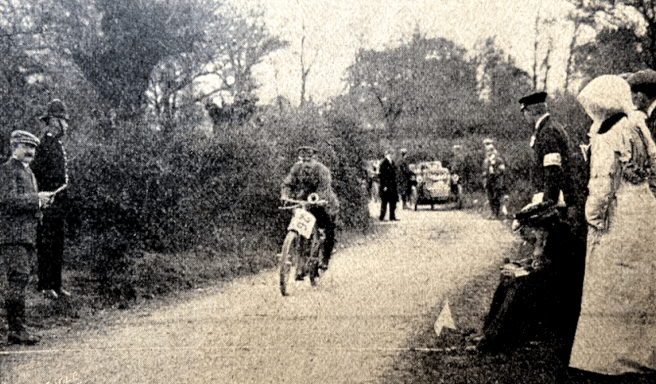
There was a complete absence of traffic on the hill, and competitors ascended with clocklike regularity. Below we give full particulars of the machines and remarks regarding the performance of each. For obvious reasons the times have been withheld. The promoting club received valuable assistance from the South Herts AC, and we are informed that it was through the latter club’s influence that the threatened police interference was smoothed over. The judges were Messrs GF Sharp, AV Ebblewhite, and AJ Wilson; timekeepers, Messrs F Straight and JH Burley; handicapper, Mr F Straight. At the termination of the competition tea was served at the King’s Oak, High Beech, and followed by an impromptu smoking concert in the large hall. The winners of the bicycle handicap are the following: Hulbert first, Brice second, Cooper third. As regards time, Brice was fastest, Wells second, and Hulbert third. In the members’ class Stanley Webb was first. FW Applebee second, and Summers third. In the passenger motor cycle class Hodgkinson was first, Cozens second, and O’Reilly third. Cozens also won the private owners’ section in the passenger class. Although cars up to 22hp competed in the Essex Motor Club’s hill-climb, a member’s 3½hp motor bicycle easily made the fastest time of the day. Mr AJ Wilson, one of the vice-presidents of the Essex Motor Club, has kindly offered a gold medal to the winner of a best performance for a genuine
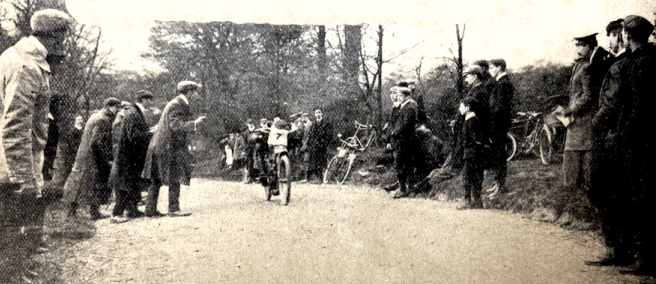
touring machine, limited to 3hp. The club officials are now considering how it shall be decided.” [Here are the results of the Essex hillclimb. As published they included bore/stroke figures which I’ve converted to cc—it would be a good few years before capacity figures were routinely published. It’s also interesting to note the weight of the machines and I did enjoy the brief coments on their performance—Ed.] 1, WJ Feare, 5hp [616cc] 2-cyl Kerry, good start, climbed well; 2, W Hodgkinson, 3½hp [431cc] JAP, 145lb, good start, climbed well; 3, AH Elston, 8hp [804cc] 2-cyl Lurquin-Coudert, 200lb, good; 4, HL Cooper, 3hp [363cc] Triumph, 145lb, slowed on steep portion; 6, CE Fell, 5hp [292cc] 2-cyl Waltham Cross, 206lb, engine misfired; 7, 0C Godfrey, 4hp [430cc] 2-cyl Werner, 156lb, good start; 8, CE Helstrom, 5hp [616cc] 2-cyl Kerry, 180lb, dismounted; 10, WH Applebee, 3¼hp [401cc] Rex, 182lb, just managed to reach top; 11, C0 Prentice, 4hp [482cc] Lynx, 186lb, slow; 12, OL Summers, 5hp [678cc] 2-cyl Vindec, 185lb, poor start, but gained speed on hill; 13, Stanley Webb, 3hp [453cc] Quadrant, 170lb, good; 14, C Leroni, 3hp [475cc] Brown, 165lb, very good; 15, WH Wells, 5hp [678cc] 2-cyl Vindec, 165lb, splendid performance; 16, L Belinger, 3½hp [453cc] Quadrant, 160lb, very good; 17, FW Applebee 3½hp
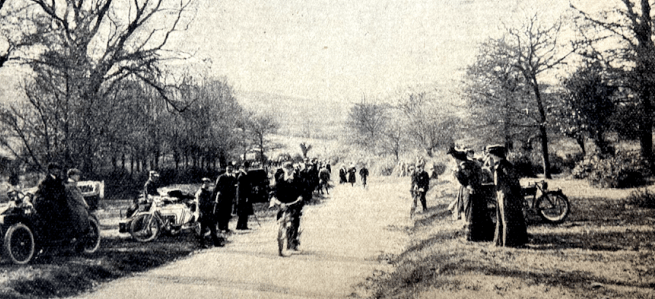
[411cc] Rex, 200lb, slow; I9, A Peppercorn, 2¾hp [345cc] Regina, 183lb, dismounted on steep portion; 20, RM Brice, 3hp [465hp] Brown, 148lb, splendid performance; 21, AE Lowe, 2¾hp [345hp] Phoenix, 190lb, slow, low speed; 22, HC Horswill, 2¾hp [345cc] Bat, 200lb, failed to climb hill earlier in afternoon and did not start; 23, GE Revill, 3¼hp [427cc] Iroquois, 185lb, failed to climb hill earlier in afternoon and did not start; 24, J Perkins, 2¾hp [345cc] Bat, 210lb, failed to climb hill earlier in afternoon and did not start; 26, EJ Bass 3½hp [402cc] MMC, 200lb, fair; 27, F Hulbert, 3hp [363cc] Triumph, good start, excellent; 28, AW Browne, 8hp [804cc] 2-cyl Lurquin-Coudert, 210lb, slow for two cylinders; 30, HE Blackney, 4hp [430cc], 2-cyl Werner, 150lb, good; 33, F Classen and Co, 5hp [707cc] 2-cyl GB, 165lb, poor start but fair climb. Passenger Motor Cycles: 46, T Read, 9hp [1,033cc] 2-cyl Singer, 9cwt, good; W Hodgkinson, 6hp [731cc], 2-cyl, JAP, fast; 47, J Van Hooydonk, 6hp [706cc] 2-cyl Phoenix, 5½cwt, good; 45, F Cozens, 10hp [1,221cc] 2-cyl Lagonda, 600lb, very good; 5, FP O’Reilly, 4hp [427cc] CIE, 3cwt, fast.
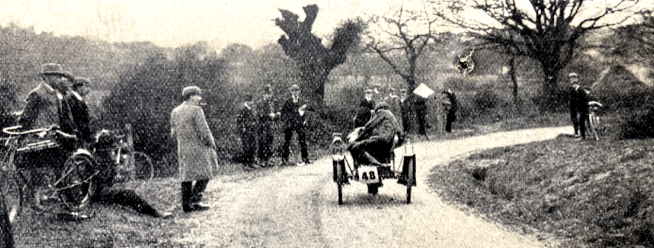

“THE SOUTHERN MOTOR CLUB is to be congratulated upon the vigour which characterised its first open hill climb on Saturday at Coast Hill, Westcott, on the road from Dorking to Guildford. The hill is neither steep nor long (regarded purely as a test hill), the maximum gradient being 1 in 12, and the length not much more than half a mile, but the somewhat sharp turn at the steepest part of the hill and the narrowness of the road, combined with the fact that the spectators selected that particular spot as a vantage ground and occupied quite a third of the road, called for a certain amount of skill on the part of the competitors. The local police rendered assistance, and, as a system of flagging up and down the hill was adopted, the men had a run always clear of traffic, and the event passed off without the least mishap. There were 59 entries, of whom over 45 actually competed, and only one or two failed to reach the summit. Two-cylindered motor-bicycles were very numerous, and the engines included three 7-8hp Lurquin-Couderts, two 7-8hp Peugeots, and a 6hp JAP (on one of the Matchless machines for the International race), whilst in the tri-car class the power rose as high as lOhp. The fastest time in the motor-bicycle class was made by C Patterson, on a Daneville with a 7-8hp Peugeot engine. He rode magnificently, and covered the distance in 43⅗sec, his engine showing no signs of slackening on the bend. The second fastest time, 48⅗sec, was made by WH Wells, on a Vindec Special with 5hp Peugeot. The handicap was won by RM Brice on a single-cylindered 3½hp Brown, whose actual time was 50.4sec, handicap time 30.⅗sec. WW Genn, on a 2¾hp Eland (Minerva engine), was second in 56sec (36sec net). EW Goslett, on a 3hp NSU, was third, ⅖sec slower than Genn. Patterson secured the special prize for best club performance.”
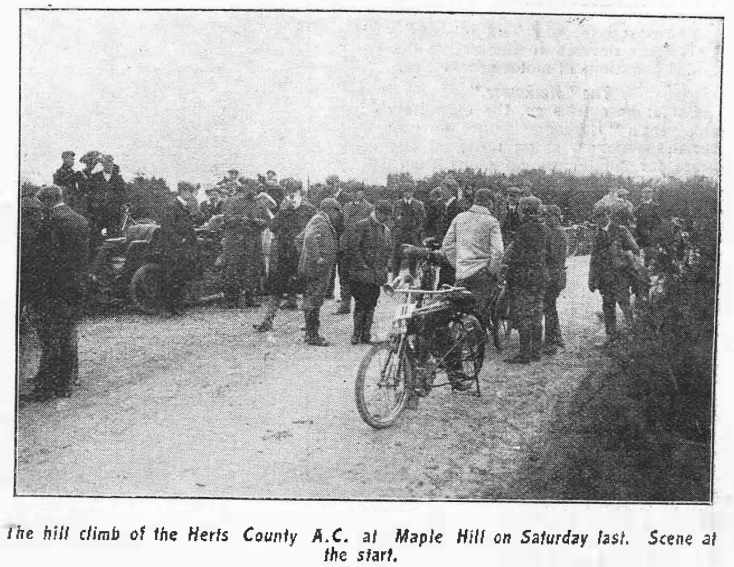
“MAPLE HILL, BETWEEN BOXMOOR and Chesham, was the scene of the open hillclimb for motorcycles held by the Herts AC on Saturday. The hill is short, but very steep, and all the 26 starters were successful in reaching the top. In Class A, for motor-bicycles 76x76mm, Ilsley, on the Phoenix Cob, the Godfrey Minerva, ridden by Godfrey, and the Eland Minerva, ridden by Genn, all did well. Class B was for motor-bicycles 85x85mm, had nine entries, and Brice, on a 3½hp Brown, single cylinder, 82x88mm, certainly appeared to be much the fastest. In Class C, for motor-bicycles any cylinder capacity, Wells, on a twin-cylinder Vindec, 75x76mm, had the best result. Class D was for motorcycle passenger vehicles, any engine capacity, and the 6hp Quadcar, 9hp Riley, and 6hp JAP did about the fastest times. As a result of the deliberations of the judges, we learn that for the best performance in Class D, taking into consideration engine power, weight of machine and passengers, etc, the award goes to the Phoenix Quadcar, driven by J van Hooydonk. This is the first time this machine has taken part in a competition, and has thus scored most successfully. Taking all the classes together, the Quadcar tied with the 2hp Godfrey Minerva.”
“I WONDER HOW MANY motorists know that the word ‘petrol’ is really the name of a proprietary’ article, and could it have been possible to have protected the name against common usage, we might have been prevented from using it? When the motorcar first made its appearance in this country, the only petroleum spirit available for use was that placed on the market by the Anglo-American Oil Company, under the name of Pratt’s Motor Spirit. Seeing the demand for an exceptionally pure article, Messrs Carless, Capel and Leonard put a doubly-distilled brand of spirit on the market, under the invented name of ‘Petrol’, and for several years ‘petrol’ was understood to signify that particular production, but the word came trippingly to the tongue, and gradually the term became adopted out of its original meaning, until it now is taken in common acceptation to be the designate of all petroleum spirit usable in motorcars. I question if many motorists to-day know that ‘petrol’ really refers specifically to Messrs Carless, Capel and Leonard’s production.”
“MANY MOTORISTS ARE UNAWARE that the word petrol is really the name of a proprietary article, and should, therefore, only be applied to the motor spirit manufactured by my firm. Petrol was the distinctive name we gave to the spirit we manufactured for motors when they were first introduced, and it was only from our use of the word that it became associated with the spirit suitable for motorcars. For several years after we gave it the name no one applied the word petrol to any other make of motor spirit…It was, I think, in 1891 that Mr FR Simms first introduced the Daimler motor launches into this country, and he asked the writer to manufacture a spirit which would be suitable for them. After trying experiments with various grades of spirit he found that a doubly distilled spirit, which we then determined to call petrol, was the best for the purpose. Then a year or two before the passing of the Locomotives on Highways Act in 1896, which, for the first time, legalised the use of motorcars in this country, the Hon Evelyn Ellis, Mr THB Elliott, in Scotland, Mr Hewetson and others brought over motorcars, and, naturally, the spirit which had been found best suited for the motor launch was found equally suitable for the same kind of motor when applied to motorcars. Thus it is not correct to say that when motorcars were first introduced the only petroleum spirit available was Pratt’s motor spirit. Our standard petrol, as I have shown above, was the pioneer of all kinds of motor spirit, and as a matter of fact we had manufactured a similar grade of spirit many years before the Anglo-American Oil Company established themselves in this country. Moreover, the writer carried through by himself the early negotiations with the railway companies, which made it possible to send motor spirit about in small quantities in cans at reasonable rates; and so enabled agencies for motor spirit to be established throughout the country. All automobilist pioneers will remember in the early days what a difficulty there used to be in getting a supply of a suitable spirit when on tour.
Wm J Leonard (Carless, Capel and Leonard), Hotel Michel, Rome.”
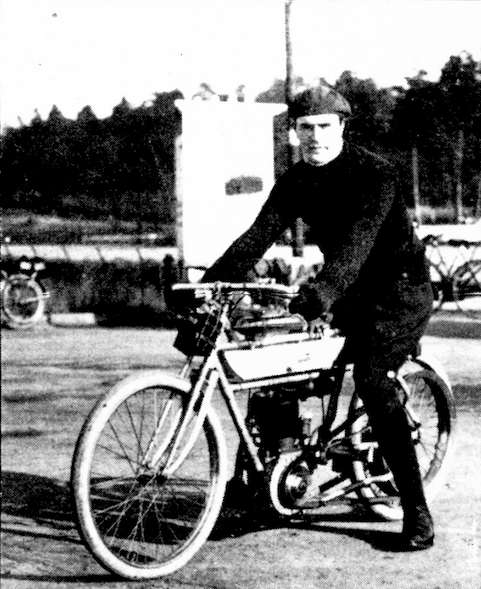
“WE ARE INFORMED by Mr JB King, secretary of the British Empire Motor Trades’ Alliance, that in the Zomba Protectorate in British Central Africa there are a good many roads for ordinary traffic, but none of these have been metalled or otherwise hardened. The surface, however, is excellent for six months in the year, during the dry season, when not a drop of rain falls. There are four motor bicycles now running successfully in this country, and it appears that manufacturers in England might do well to make inquiries regarding the possibility of increasing this number.”
“A RACE ORGANISED by the Cannes Motor Club on the 29th ult resulted as follows: Motor bicycles—1, Yourassoff, Peugeot, Dunlops; 2, Bompard, Alcyon, Dunlops; 3, Raynaud, Werner, Dunlops. Tricars—1, Sivan, Mototri-Contal, Michelins. The best time was accomplished by Yourassoff, viz, 4hr 12min, or an average of just over 26mph. The tricar speed equals 16.1mph.”
THE FEDERATION OF American Motor Cyclists awarded a gold medal to the members who covered the most miles and rode in the most states. ME Topel of New York won the mileage medal with 3,069.5 miles; FW Hoienburg, also of New York, won his medal for riding in six states.
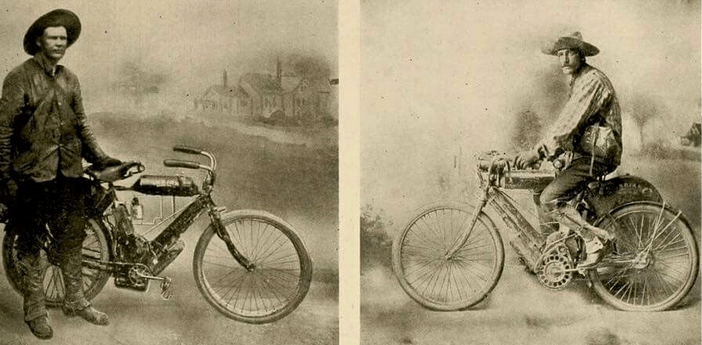
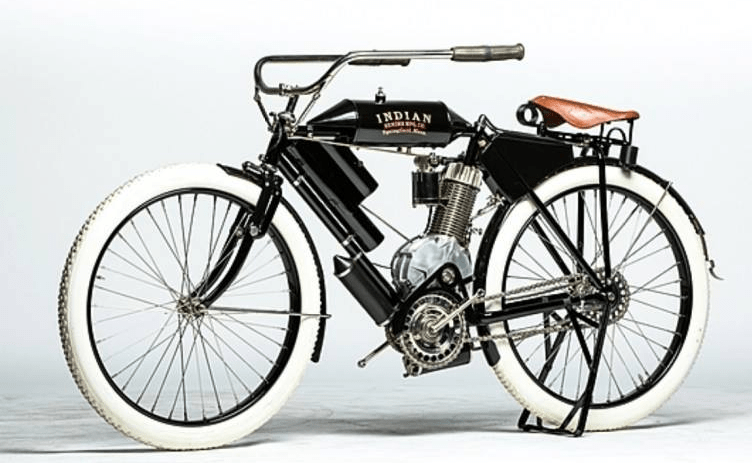
INDIAN DEALERS GEORGE HOLDEN (of Cleveland) and Louis J. Mueller (of Springfield) rode 1¾hp Indians from San Francisco to New York City in 32 days without any major mechanical problems. Indian also launched a 633cc 42° V-twin racer which went on to become the first in a long line of illustrious American V-twin roadsters.

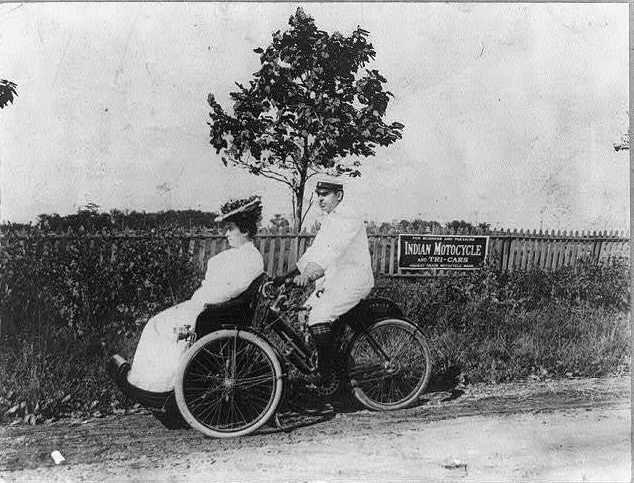
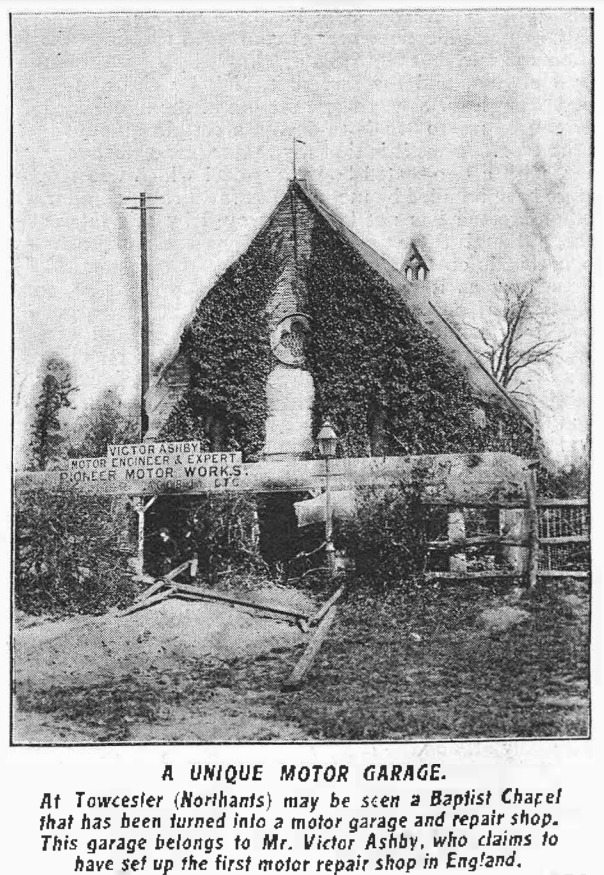
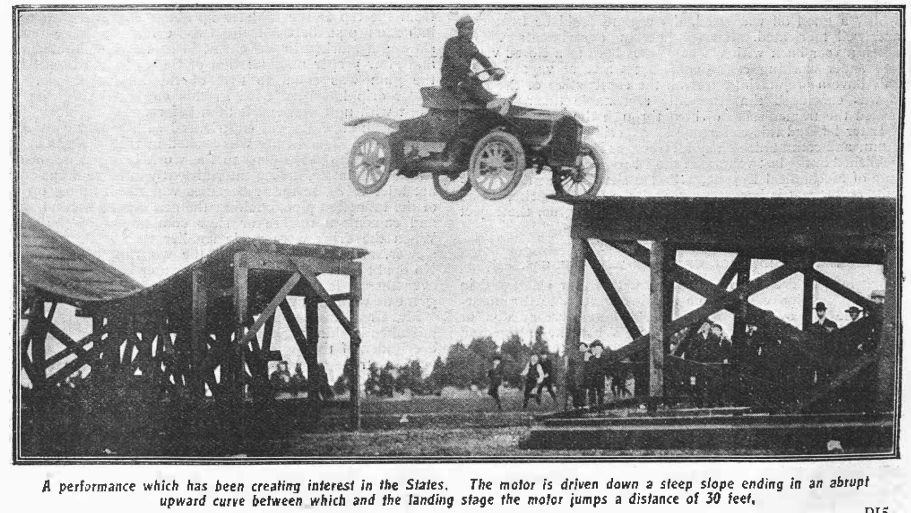
“THE ANNUAL CONFERENCE between the Dublin and Belfast Centres of the MCUI was held at Dundalk. It was decided to complete the new agreement with the Auto Cycle Club, and to join with that body and the Scottish Cyclists’ Union in affiliating with the International Federation of Motor Cyclists. A member of the Belfast Centre to be nominated by that body was appointed to act as general secretary of the Union for the current year, the appointment to be held by a member of each centre in alternate years. The conditions of the Triumph Challenge Cup for the inter-branch reliability contest were arranged, and the date of the event fixed for June 9th. It was unanimously decided to ask the editor of The Motor Cycle to act as referee in the event of any disagreement between the two centres as to the interpretation of the conditions of the Triumph Cup.”
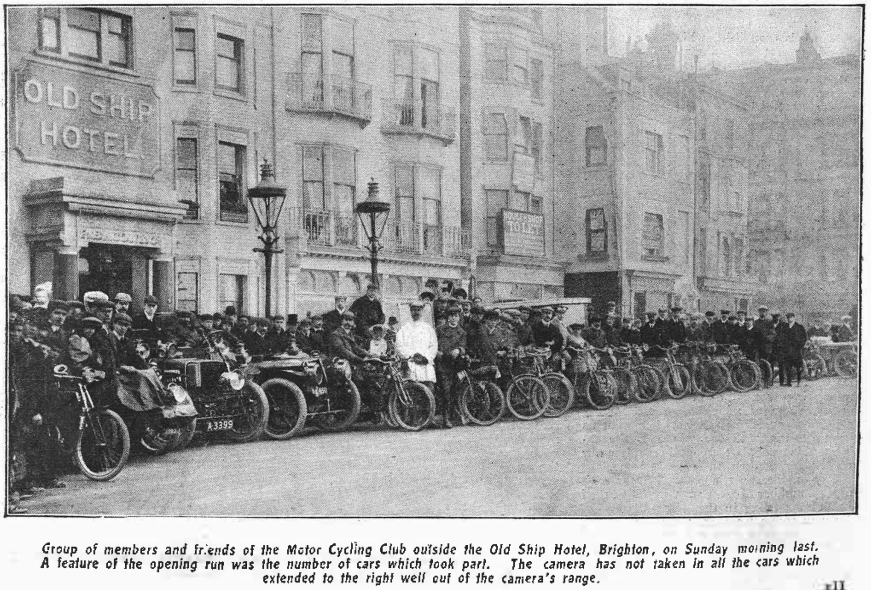
“IF IT WAS NOT QUITE an odour of sanctity which pervaded the purlieus of the Cock Hotel at Sutton on Saturday afternoon, there were evidences of motoring activity which portended an event of more than ordinary importance. Such evidences were numerous and convincing. There were motor-bicycles of various descriptions frequently arriving, and tri-cars and motorcars came into the picture at intervals. The occasion was the opening run of the Motor Cycling Club, and the ultimate destination of the motorists was to be Brighton, Sutton being the meeting place. Those who had attended previous opening runs of the club were, perforce, compelled to note a prominent point of more than ordinary significance. We have said there were motor-bicycles, but the point of note was the unmistakable tendency to get from two to three, and, in many cases, four wheels. Cars, indeed, were more numerous than had ever been the case at former opening runs, and the little Rover cars which participated in the trip were as noteworthy in numbers as in the excellence of their running right through from London proper to London-sur-Mer…At 7.30 nearly 80 members and friends sat down to dinner, excellently served by Host Burkhardt, and Vice-President Ernest Perman presided. There was no formal programme, but after the meal the chairman proposed ‘The King’, and Mr AJ Wilson gave the toast of ‘The Club’ in a humorously reminiscent speech, which was acknowledged by Mr Perman…”
“FOR SOME YEARS nothing has been heard of the liquid air-driven cars, for which great things were promised at one of the shows; I believe it was the 1902 Stanley. I remember at the time listening to a dissertation on the virtues of liquid air for driving motors, and if only one-half of what the orator said would happen had come to pass, we should now be purchasing our two-gallon tins of liquid air instead of petrol, and the shadow of ‘the impending peril’ would not be dogging our footsteps or keeping us awake o’ nights. ‘Gentlemen,’ said the orator in question (he was also a stand attendant), ‘this marvellous power is air’—I think he said h-air—’and one great advantage is you have no h-odour.’ He then proceeded to pour some of the magic fluid into an old gentleman’s silk hat, and, much to his astonishment, producing a miniature volcano therein. But all this by the way. What I wish more particularly to call attention to is the fact that we are seriously threatened with the liquid air motor again—vide a recent issue, in which it is stated that a young German engineer has ‘invented’ one. I notice, however, that he goes considerably further than the liquid air inventors of a few years ago, inasmuch as he makes his motor produce its own fuel! Once started, apparently, it goes on ‘ad infinitum’. Who will say perpetual motion is a myth—after this?”
“AT THE ANNUAL general meeting of the Birmingham Motorcycle Club Mr Herbert Austin was elected president…The balance-sheet showed a surplus of £18. The programme for 1906 includes hillclimbing competitions, petrol consumption tests, open reliability competition, as well as whole-day runs, ladies’ days, and a moonlight run.”
“IN A RETURN furnished by Mr Gladstone it was stated that the number of deaths caused by motorcars and motor cycles was 75 in 1904, compared with 52 in 1903, and we observe a tendency in the general Press to attribute this increase to the extension of the speed limit provided by the Motor Cars Act of 1903.”
“A SAXON MOTOR CLUB is in sight. Von Broizem, general in command of the 12th Saxony Army Corps, may take over the presidency, and the King of Saxony, who gets about a lot in the motorcar, is tolerably sure to lend his protection to the club. Von Broizem is a cavalry officer.”
“AT AN EXTRAORDINARY MEETING of the Manchester Motor Club held last week it was decided to affiliate with the Motor Union and Auto-Cycle Club. To meet the extra expense without trenching upon the ordinary funds the members agreed to raise the annual subscription to £1 6. for car owners, and 12s 6d for motorcyclists.”

“PORTABLE ACCUMULATORS, LTD, advise us that under their subscription scheme they are willing to make arrangements with clubs to forward the batteries of members in one consignment, thereby saving the cost of carriage on single batteries. In districts where there are no clubs, and a number of unattached riders acquainted with one another, they are recommended to co-operate by subscribing to the scheme, and sending their accumulators collectively for exchange.”
“A CYCLING CLUB held a paperchase on Saturday, the riders following a trail laid by a motor cyclist over a 25-mile course.”
“IN ITS EDITORIAL OPINIONS, if not in its advertising methods, ‘The Times’ is a newspaper of conservative instincts. It would be better if it were otherwise, because we should not then find ‘The Times’ endorsing a correspondent’s opinion as to what is described as ‘The Petrol Nuisance’. The motorbus is alluded to by this chance writer as ‘an infliction’, because its ‘stink is even a worse plague than its noise’, and it is stated that ’till lately, of all great cities London suffered perhaps least from noise and smells’. ‘Are we to be condemned,’ asks the correspondent, ‘for the rest of our lives to inhale these abominable petroleum fumes at every step?’ and ‘is there no public authority’ which can check the multiplication of these machines until they can be made stinkless?’ Neither ‘The Times’ correspondent nor that journal’s editor has paused for a moment to make a comparison. If they had done so, we should surely have had argument less prejudiced and opinion less biassed. We should say that London has always suffered more than any city from noise, and certainly more from smells much more noisome than any that petrol can emit. The latter arises from the horse refuse that hangs about our streets, the disgusting fumes of which we are still compelled to inhale. In hot dry weather this refuse, blown hither and thither by the wind, is even perforce consumed as well as smelt, and it is not difficult to imagine what an outcry would have been raised by ‘Times’ correspondents with editorial endorsement had mechanical traction come first and had the horse been a recent introduction!…Apart from all this, it is quite an error to write of ‘noisome Steam hanging blue and thick’ as ‘petrol vapour’, because such is obviously smoke arising from over lubrication, and this is an error which is bound to right itself in time.”
“WE HAVE BEEN RECENTLY testing on a motor-bicycle a belt made by Messrs Ashton, of Sheffield, and we are thoroughly delighted with the results. It gives a wonderful grip, and is extremely flexible. We have put this through a thorough trial, and can strongly recommend it to our readers.”
“DESPITE THE DECISION of the MCC committee at the extraordinary general meeting of the above club, 106 members’ votes were recorded in favour of Mr Wells’s notice that motor bicycles should be started at least one hour before the cars. Against, five! Mr A Candler is also to be commended for the fair manner in which he made use of his proxy votes when he found the overwhelming majority against the decision of the committee…during the evening Mr Van Hooydonk announced that hitherto 34 motor cycle entries had been received for the Edinburgh run, and only two car entries.”
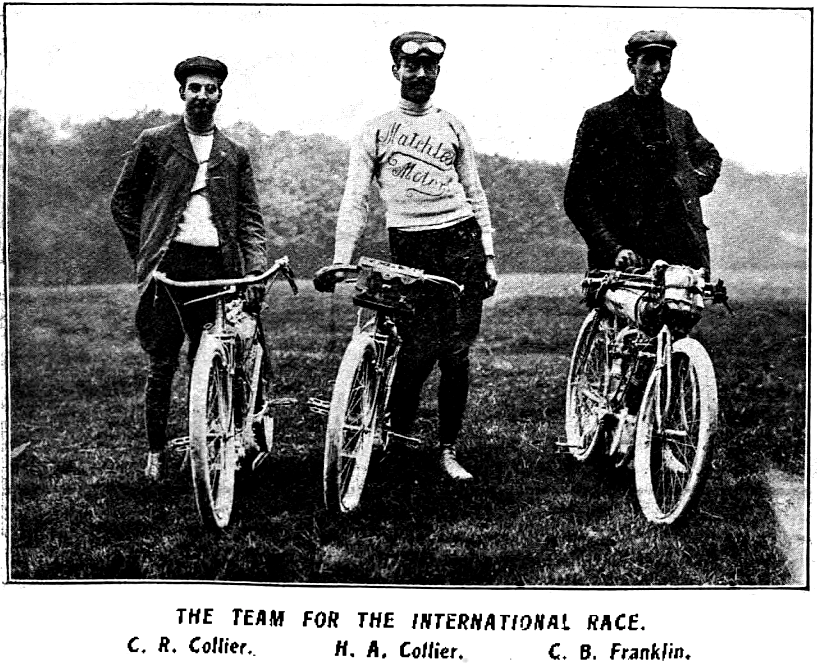
THE INTERNATIONAL CUP at Patzau, Bohemia (then Austrian, now in the Czech Republic) was only the second Coupe Internationale to be held under the auspices of the Fédération Internationale des Clubs Motocyclistes (FICM). The Motor reported: “There were ten starters in the following order: Wetzka (Austria), on Puch; Tavenaux (France), on Gillet; Kirchheim (Germany), on Progress; CR Collier (England), on Matchless; Obruba (Austria), on Puch; Fauvet (France), on Gillet; HA Collier (England), on Matchless; Nikodem (Austria), on Puch; Lalaune (France), on Gillet; Franklin (England), on JAP. The total length of the circuit over which the race was held was 42 miles, and this was covered four times—a total of 168 miles. From reports which had reached London prior to the men starting for Austria, the impression was conveyed that the roads were comparatively level and of excellent surface; but the first trial run over the course showed that portions were exceedingly rough and having stiff gradients. One stretch in particular had four hairpin corners in a little over 440 yards, and was so steep that none of the three British riders could get up with the gears as arranged for the race, and all had to be lowered. There were tremendous crowds right round the route, and many members of German and Austrian princely families, were present. The start took place from Patzau, Bohemia, and finished thus: 1st, Nikodem (Austria), 3hr 13min 45sec; 2nd, Obruba (Austria), 3hr 29min. 4lsec; 3rd, H Collier (England), 3hr 39min 53sec. A protest has been referred to the President of the French Auto-Cycle Club on behalf of the English competitors that the first and second men had broken the rules. The protest is based on the contention of the British party that the German and Austrian riders were followed round the course by riders with spare parts, in direct contravention of the rules. That such a thing was likely to happen had previously been brought under the’ notice of the representatives of the British, interest, and accordingly each rider was specifically warned on the day prior to the contest that this rule of prevention of ‘shadowing’ would be rigidly enforced…until the decision of the International Commission is given, no official placings are possible.” Delegates of the participating countries (Austria, France, Germany and Great Britain) subsequently decided to dissolve their new federation. Well, nearly. In fact the ACU kept the dream alive. Within a year the Brits would change the world of motor cycle racing with the launch of the TT, and within six years they would revive the FICM. Here’s Ixion’s memory of the Coupe Internationale: “Five entries were secured for the eliminating trials, and at one time it seemed that no course would be available, but Lord Derby finally offered a five-mile course in Knowsley Park. CR Collier completed 27 laps at an average speed of 40mph. HA Collier and CB Franklin completed the team. We were again defeated, if not disgraced. The International was run off on Austrian soil at Patzau. Harry Collier finished third, nearly half an hour behind the winning Puch. It was rather a free-and-easy race, for though the rules stipulated that only competing machines were allowed on the course, the Austrian riders were assisted by racing sidecars full of spare parts and tyres! Our protest was naturally turned down.”
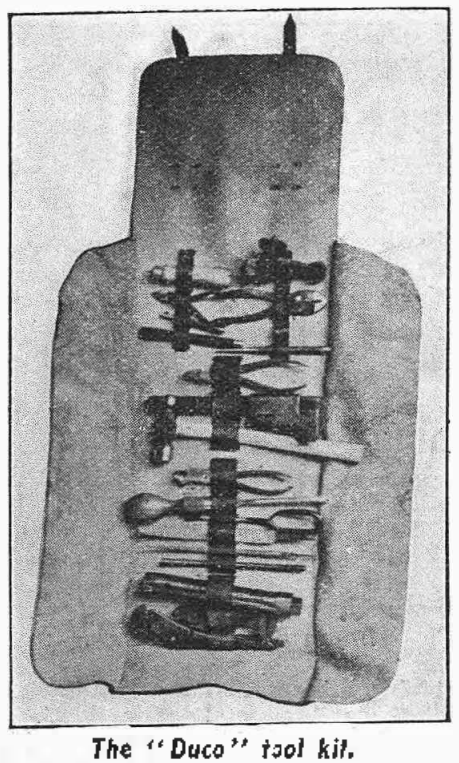
“ONE CAN RECOGNISE a good driver by the manner in which he takes care of his tools. But even the most careless can keep his tools in faultless order if he uses such a tool kit as illustrated in the Duco, where there is a place for everything. Some 20 useful tools are included in the outfit, these including a large Billing’s wrench, Taylor’s quick grip pliers, a large Ellin pipe wrench, box spanners, punches, files, hand vice, etc. When the flaps are folded over, the kit can be rolled and strapped up, a convenient leather carrying handle completing a kit which contains all that is necessary for making ordinary roadside adjustments. The carrying case is excellent quality leather, and cost, complete with tools, is £2 10s. The roll is manufactured and the tools are selected from all the best makers by Messrs Brown Bros, 28, Great Eastern Street, London, EC.”
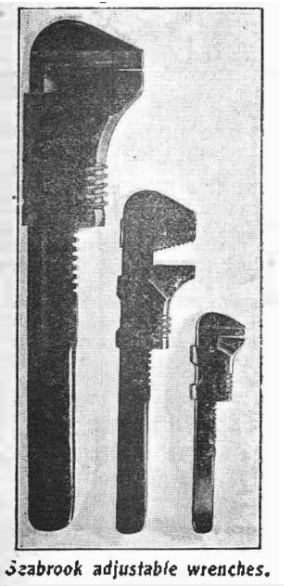
“ADJUSTABLE WRENCHES ARE INDISPENSABLE, and whether in garage or on the road, there are times when a good tool of this kind is worth ten times its original cost. The three illustrated are strong, serviceable articles, and when used intelligently and within the proper range of their different strengths, will last for many years. The largest one measures 14in over all, the jaws opening to 2½in, and costs 8s 6d. The middle size has a detachable pipe jaw fitment, which can be slipped on and off and will be found highly convenient when dealing with round or odd shape nuts; it measures 9in over all, and the jaws, when the pipe attachment is removed, open to 2¼in, the tool complete selling for 6s 6d. The smallest one is nickel-plated, is very light, and is handy enough to be dropped into the pocket, being suitable for dealing with the small nuts on coils, contact makers, carburetters, etc. The cost of the small wrench is 1s. Each of the patterns has the end so formed as to serve as a tyre lever in case of emergency. The wrenches are sold by Messrs Seabrook Bros, and Co, 32, Featherstone Street, London, EC.”

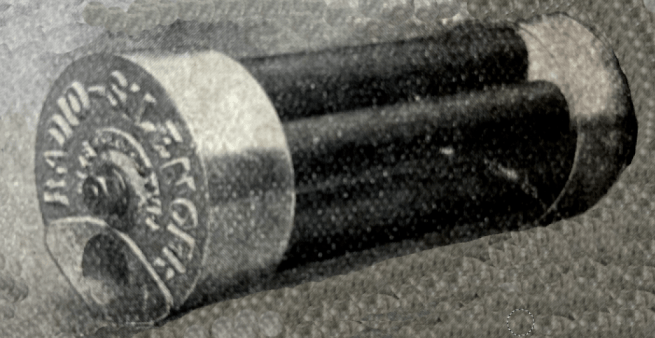
“THERE IS ABSOLUTELY no shadow of doubt that there is a far greater number of motor cycles being sold in England to-day than has ever previously been the case, and to all indications 1906 will be a record year. Almost every British maker has a full order sheet, and many agents for foreign built machines cannot obtain deliveries fast enough…The Motor Cycle will again offer a prize to the reader who sends in the number nearest to the actual figures which will be published after June 30th.”
“AFTER A RECENT hill-climb a contributor made count of the various reasons assigned by some of the competitors for failing to do faster times. These panned out as follows: Gear too high (3), belt slipping (2), obstructed by spectators, etc (3), too-little petrol in tank (1), misfiring(1), poor start (1), wrong mixture (1), choked petrol pipe and jet (2).”
“MOTOR CYCLISTS SHOULD note that a police trap has been started between Bodmin and Truro, about 10 miles from Truro, and another near Newport on the Cardiff Road. Readers should refer back for similar warnings. We only mention the latest advised, as the police are constantly moving their positions.”
“AFTER VARIOUS TRIALS we are of the opinion that a properly designed spring fork is one of the most comfortable fittings it is possible to have on a motor bicycle, and when once the floating sensation produced by the same is known, spring forks will become quite general. Already the more up-to-date manufacturers have recognised their superiority, and fit them as standard.”

WHILE RIDING THROUGH Pershore, Worcs a rider crashed when an urchin threw a stick into his bike’s rear wheel. The local cops took his complaint seriously; the lad was hauled before the magistrates and bound over for 12 months in the sum of £6. The court “severely admonished” the parents.
IXION WROTE: “I QUITE expect that by 1909 I shall sit a mount that fears no hill, can do 45 miles per hour on the level, and run very smoothly, while not exceeding 130lb all on. In course of time the petrol turbine may come, and we shall obtain the same attractions on a mount sealing 75lb.”
“THE CONSTANTINI MOTOR SKATE. The motor skate is here illustrated. M Constantini, a French inventor, has adapted the petrol engine to a pair of wheel skates. A fan-cooled motor provides the power, the petrol tank carrying enough for about 50 miles’ running, and ignition details being supported by a belt worn round the skater’s waist. Holding the commutator in his right hand, the skater opens the petrol inlet tap, and strikes forward with his foot, as in ordinary skating; when the motor begins to work each foot is allowed to shoot forward in turn. A speed of over 30mph is said to be attainable.”


“AMERICA HAS DECIDED from January next to permit of the manufacture of alcohol for commercial purposes without duty, or practically so, and with commendable enterprise enterprise the Automobile Automobile Club of America is now organising a contest relating to the application of alcohol as a fuel for automobile motors. In view of the enormous and alarming advance which has taken place in this country in the price of petrol during the past few months and even weeks, the results of this contest will be watched with the greatest of interest from this side. We are not likely to be able to take much advantage of the results obtained for some considerable time yet. Although the Government has expressed its intention of dealing with this question at no distant date, it may be many months or even years before any practical legislation exists for dealing with the matter, and longer still before any serious commercial advantage can be obtained thereby, in view of the time which it must necessarily take to make preparations—when all is settled that can be done—for dealing with alcohol in this way.”
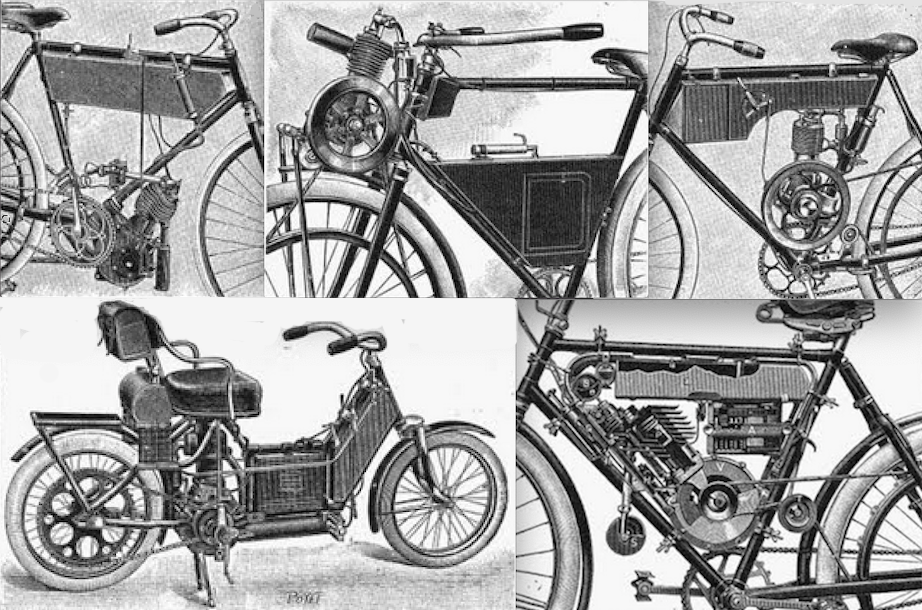
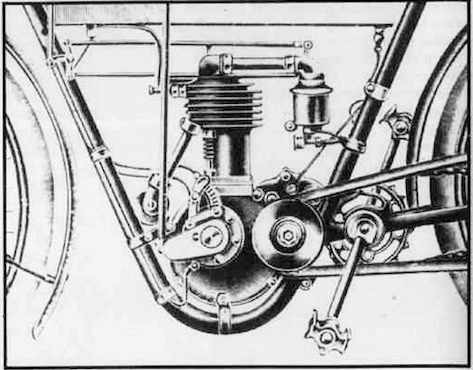
“Mr Deronzière [has produced a] new and elegant motorised bicycle. [According to the truly excellent electronic Tragatsch at https://ozebook.com/comune/a-to-z-of-motorcycle-marques/ Francisque Crozier de Ronzière was in the motorbike business from 1903-1914, using his own 282cc lumps as well as Peugeot and Zedel.] In fact, it essentially consists of a triangular chassis that can be mounted with clamps inside a bicycle frame, similar to Motosacoche but smaller. This chassis contains a 1.5hp four-stroke single-cylinder engine with two drive pulleys of different diameters side by side. The desired gear ratio is selected according to the terrain, and an adjustable tensioner roller does the rest to ensure proper belt tension on the rear wheel drive pulley. The Deronzière is ignited by a small low-voltage magneto located behind the cylinder and driven by a chain under a light casing.”
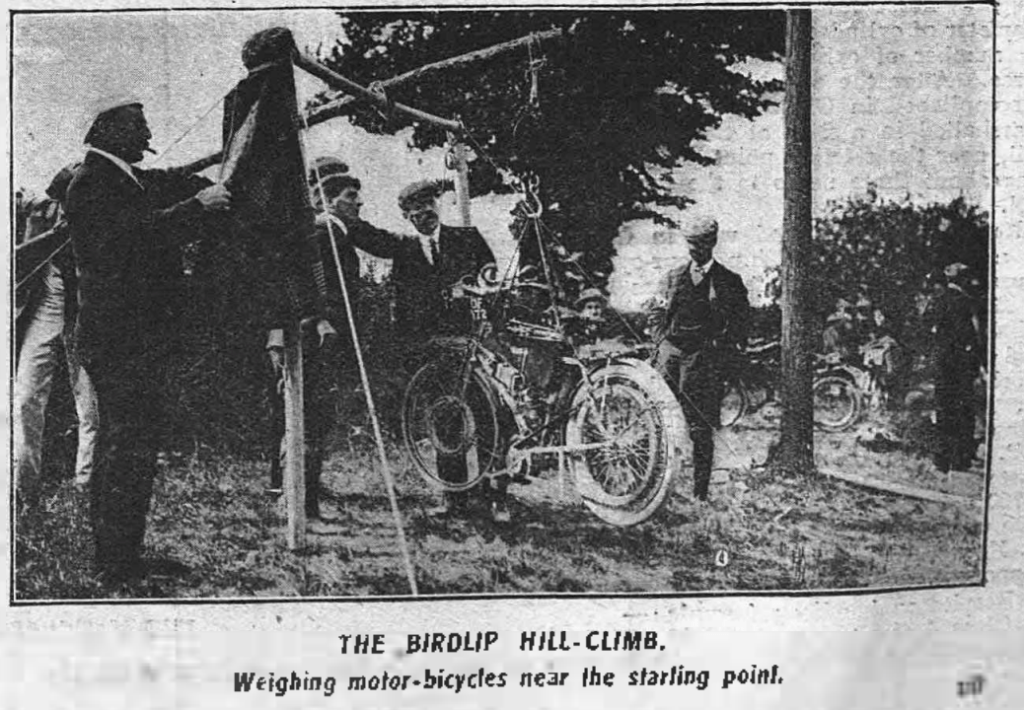
BIRDLIP HILL, WELL REMEMBERED by competitors in past events promoted by the Autocycle Club, was on Saturday the scene of a highly successful hill-climb. The conditions were favourable, the weather overhead being beautiful and the road surface in excellent condition. The slow test, in which the first prize was awarded to the competitor taking the longest time for the ascent, provided the engine was firing all the time and that the machine was not assisted by the pedals, called for great skill on the part of the riders, and the deft handling of the two-speed Phoenix by Van Hooydonk, who carried off premier honours, seemed to be much appreciated by the spectators. His time for the 1 mile 140 yards was lOmin 53⅗sec. The splendid entry of 75 had been received, 13 being passenger machines. Miss Muriel Hind, who so pluckily drove through the Land’s End to John o’ Groats’ trial, took the hill in excellent style and was accorded a great reception. Her time was only beaten by that of J Browning, on the Riley. Except in the case of the slow test, in which actual times, are given, 0 represents the fastest time in each class, and the following times indicate. by how much the other competitors were beaten. Results—Class I (engines not exceeding 80x80mm or equivalent capacity, variable gears allowed): 1, R Moore, 3½hp Phelon and Moore, 0; 2, FG Gally, 2¾hp Anglian, 1min 33⅘sec; seven started, six finished, four pedalled. Class II (engines not exceeding 85x85mm or equivalent capacity, variable gears not allowed: 1, B. Horne, 3½hp Quadrant, 0; 2, T Silver, 3¾hp Quadrant, ⅗sec; 3, Stanley Webb, 3½hp Quadrant, 6½sec; 15 started; two failed. Class III (twin-cylinder engines, each cylinder not to exceed 80x80mm, variable gears not allowed): 1, RW Ayton, 5hp Riley, 0; 2, WH Wells, 5hp Vindec, lO⅘sec; 3, GC Lyle, 5hp Rex, 24⅗sec; 11 started, five failed. Class IV (twin-cylinder engines of any size, variable gears not allowed: 1, WH Wells, 5hp Vindec, 0; 2, RM Brice, 5½hp Brown, 4⅗sec; 3, HN Chilcott, 7hp Peugeot, 5⅘sec; eight started, one failed. Class V (slow test)—actual times: 1, J Van Hooydonk, 3½hp Phoenix, 10min 33sec; 2, K Moore, 3¼hp Phelon and Moore, 10min 37⅖sec; 3, FG Galley, 2¾hp Anglian, 10min. 32⅗sec.”
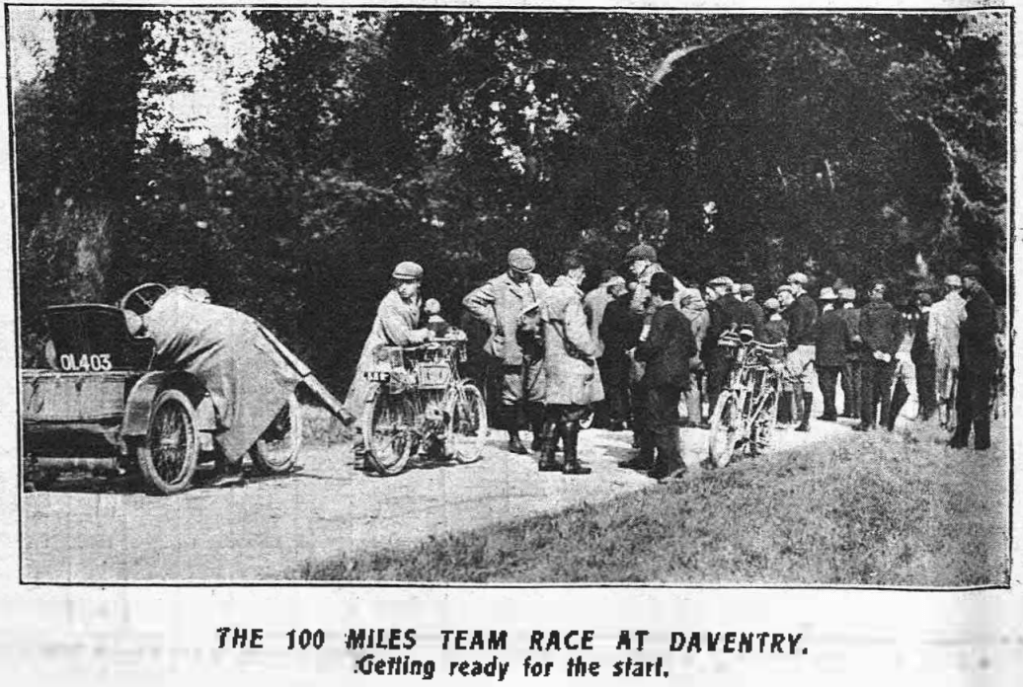
“THE CLUB TEAM COMPETITION promoted by the Motor Cycling Club took place on Saturday last at Daventry. The conditions called for a combined motor-bicycle and tri-car team, four men riding bicycles and two driving passenger tri-cars. Four teams had been entered, but the Naval Club from Southsea had to scratch at the last moment, as several of their men were required to be on duty. The promoting club won by 17 points, WH. Wells, W Brice, and — Davis doing the 100 miles without a stop. Frost had a stuck-up exhaust valve, Hooydonk had tyre troubles, and Wilbur Gunn experienced trouble with a leaking radiator. The Birmingham Motor Cycle Club would have won but for the fact that one of their men finished inside the minimum time, and was, therefore, disqualified. The Coventry MCC were third. The road selected was that known as Watling Street, and was an ideal one for the purpose, as it was free from traffic and with an excellent surface. The competition was carried through with the utmost good feeling on the part of every competitor, and, while the rules were rigidly enforced against all, the event was of that truly sporting character which it was the aim of the promoters to encourage…The committee of the Motor Cycling Club wish it to be understood that the Motor Cycling Club do not claim a winner at last year’s event. Certain difficulties, which were fully discussed at the time, prevented many clubs from competing in 1905, and it was only to fulfil the conditions of the agreement with the donors of the trophy that a team of trio MCC rode over the course. The Coventry Motor Club, who won the trophy in 1904, and the Motor Cycling Club, who are the winners this year, now each hold one share in the trophy.”
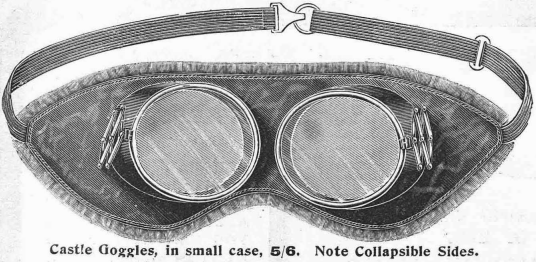
“A BRITISH GOGGLE FACTORY. It is a sign of the times that this useful motorists’ requisite, which used to be imported almost solely from France and Germany, is now being made at home. We recently inspected the workshops of Messrs W Stephens and Co, 14, Monkwell Street, London, EC, where we found goggles made throughout in every conceivable pattern and colour, with leather, fur, Selvyt, horn and aluminium fittings, and not the least novel among the many designs passed under review was a pair of goggles suitable for pet dogs, which, we were informed, sold in good quantities. Messrs Stephens and Co have already made a reputation for motoring hoods and veils, their original designs being amongst the most popular offered in retail shops at the present time. Any dealer interested would receive this firm’s catalogue on application. They manufacture only for the trade.”
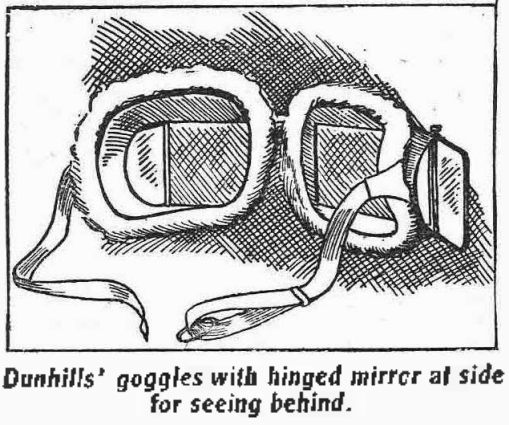
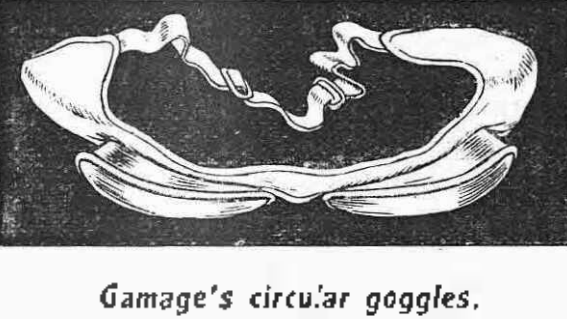
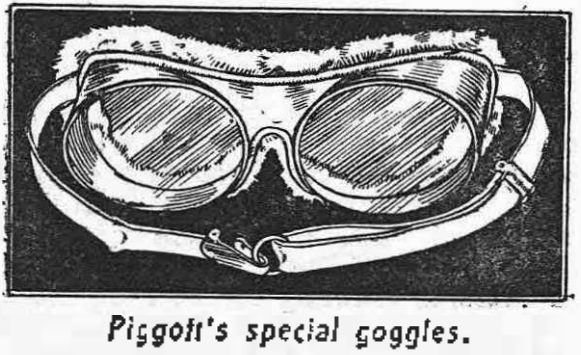
“NOBODY NEED GO without goggles when an up-to-date pair can be purchased for. less than 1s 6d. With a leather foundation, lined inside with white, edged with chenille, the plain glasses mounted in aluminium cups, and an elastic adjustable clip to hold them in position, the figure of 1s 4½d is astounding, and they are sold by Messrs John Piggott, 117, Cheapside, London, EC.”
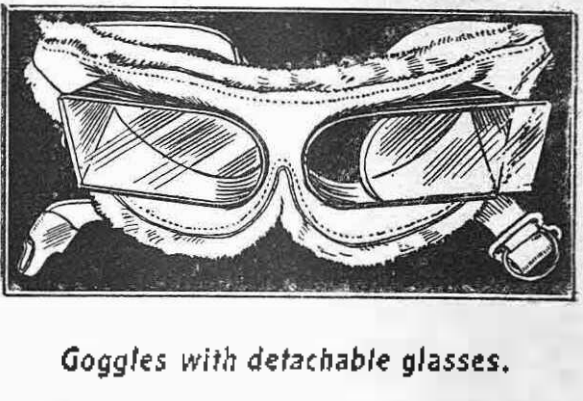
“Messrs H Gutteridge, of Cambridge Circus, WC, have a stock of some of the lowest-priced goggles that we have, seen as yet. For 1s 9d an efficient pair, made of brown leather, with hinged front and side glasses, can be obtained, whilst a pair with aluminium cup eye pieces is listed at 1s 6d. Both of these patterns are well finished, and are good value for the money.”
“THERE IS A LOT MORE in the yellow goggle idea than 1 had thought. An esteemed correspondent sends me an extract from the report of M Motais, a well-known French ophthalmologist, in which he recommends to the Paris Academy of Medicine that people with weak eyes should wear yellow or orange-coloured glasses, on the ground that although the luminosity of yellow glasses is much greater than with blue or smoked glass yellow produces a sedative effect on the optic nerves…I am still not completely satisfied about the exclusion of the blue and yellow rays from the eyes, but I am trying to get same orange glass with which to experiment.—Cyclomot“
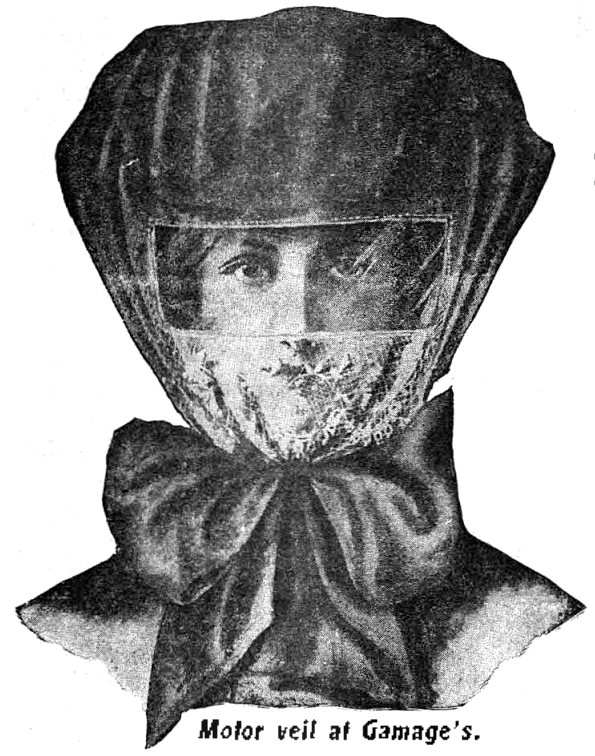
“WITH REGARD TO VEILS, there are now so many different kinds to be obtained that one has little excuse for arriving at a journey’s end with dust-powdered hair. One that I have seen at Gamage’s is particularly protective in this respect. The front portion consists of a mica mask and a lace veil, these being attached to a length of silk, or, if preferred, crêpe de chine. The whole is put on from the front, after the manner of an ordinary veil, and the long ends, crossing at the back, are tied beneath the chin in a bow. That crossover is far more becoming than the balloon-like effect that is obtained with the protector of ordinary pattern, whilst it also possesses the additional advantage of being adjustable to any degree of tightness, so that it really keeps the hat perfectly steady.”
“IN VIEW OF THE FACT that the Government are going to take into serious consideration the question of the use of alcohol for industrial purposes, it seems to me it would be a very profitable subject to discuss. Of late we have learnt a fair amount as to what has, and what may, be done with paraffin, but practical details as to the results of using alcohol are rather meagre. It would be especially interesting to know something as to the alleged corrosive action of the burnt gases from alcohol on the cylinder walls and valves. If this is serious, it will undoubtedly be an obstacle in the way of the introduction of alcohol fuel.”
“DURING 1905 THERE were registered with the Surrey County Council 452 cars and 337 motorcycles, 3,489 driving licenses being issued.”


“IT WAS ONLY NATURAL that during the discussion on Mr JWG Brooker’s excellent paper on Lubrication recently read before the Auto Cycle Club those present should frequently refer to the visible exhaust question. What struck us as being most curious was the fact that several members present were unable to distinguish between the two different kinds of exhaust fumes, namely, the pungent black smoke caused not by lubricating oil but by bad carburation owing to the mixture being too strong, and the thick blue vapour due to excess of oil. It is interesting to note that many engines will take almost unlimited quantities of oil without smoking, the reason for this being that any oil which gets past the piston is almost completely burnt up. If, however, the explosions cease from any cause the oil ceases to become thoroughly consumed, and blue smoke issues from the silencer.”
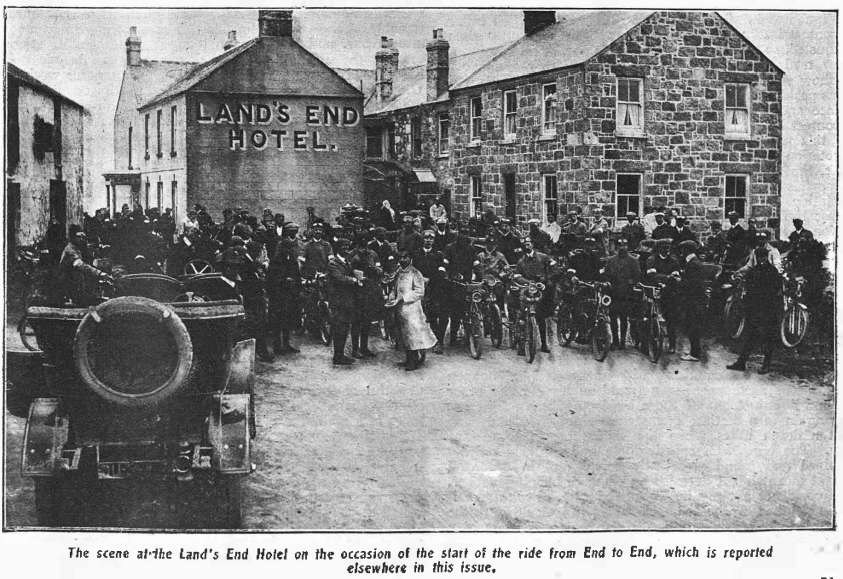
“LAND’S END TO JOHN O’ GROATS. Of the 75 starters from Land’s End on Monday in the long trip from end to end of Great Britain, 35 competitors reached John o’ Groats on Saturday evening in the annual reliability trial promoted by the Auto-Cycle Club. The utmost enthusiasm was experienced throughout, and, despite the fatigues of such a journey, all the competitors were pleased with the splendid scenery and the admirable arrangements for their comfort made by Mr F Straight, the secretary of the club. Those to finish were, in the single section: WW Harrison, 3½hp Quadrant; A Williams, 3½hp Quadrant; WH Wells, 2¾hp Vindec Special; T Woodman, 5hp Vindec Special; H . Cove, 2¾hp De Dion; HE Blackney, 4hp Werner; PC Camparioll, 3¼hp Rex; BH Davies [Ixion, no doubt covering the run for the Blue ‘Un], 3hp Triumph; J Tassell, 3½hp Matchless; EW Ashworth, 4hp Werner; F Hulbert, 3hp Triumph; SB Moore, 3hp Triumph; WE Brough [George’s dad] 3½hp Brough [before Broughs were ‘Superior’]; JF Dixon, 3½hp Bradbury; RM Brice, 3½hp Brown; W Milnes, 2¾hp Phelon and Moore; R Moore [P&M director Richard Moore], 3½hp Phelon and Moore; WG Brooks, 5hp Rex; SW Carty, 3½hp NSU; HS Cooper, 3hp Triumph; S Browne, 7hp Lurquin Coudert; D Poupart, 3hp Fafnir; FE Cox, 5½hp G-B; FW Applebee, 3¼hp Rex; W Hayes, 5hp Rex; GW Blackalle, 3½hp Quadrant; HR Dougal, 4hp Stevens; HS Ruddle, 5hp Onaway; MJ Tuchmann, 3hp Quadrant. Tricar class: J Hooydonk, 6hp Phoenix quad-car; HG Priest, 6hp Quadrant carette; AB Albert, 6hp Quadrant carette; W Gunn, lOhp Lagonda; Miss Muriel Hind, 9hp Singer; A Carpmall, 9hp Riley.” Only 13 managed the required 15mph average “and several of the machines that finished were mechanical wrecks”.
“MR RM STEVENSON informs us that having heard from a sufficient number of motor cyclists regarding the inauguration of a motor cycling club in his district, a meeting will be held at Buxton Villa, EA, Truro Road, Wood Green, N, to-morrow (Tuesday), at 8pm. All motor cyclists interested are invited to attend.”
“SPRING FRAMES ARE STILL few and far between, and it is a matter of surprise to us that more makers have not turned their atten- tion to springing both the front and the rear of a motor cycle. Spring frames will be standard some day, we feel sure, but for the present we must console ourselves with the excellent spring front forks now almost general.”
“FROM THE MOTOR’S REPORT of the Milan Coppa d’Oro (in which 48 cars started and 16 finished): “I will give the experiences a party on a 24hp car had just outside Naples. They had stopped, near Capua, about eight miles from Naples, to fill up with water. The owner of the car tendered a franc in payment for help given by some countrymen standing by. These, however, who were armed with guns, demanded more, and not being satisfied with receiving an extra franc, threatened the motorists with their guns. The chauffeur, with great promptitude, got a revolver out of the toolbox, presented it at the rascals, whilst the owner drew his revolver and fired several shots in the air, whereupon the warlike countrymen made off with celerity.”
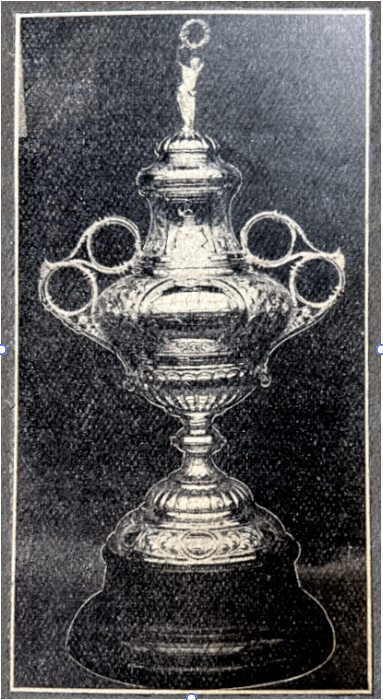
“AT THE CLOSING OF THE LISTS, 95 entries had been received for the London to Edinburgh ride, which starts on Friday next at 10 o’clock pm from the top of Highgate Hill. Sixty bicycles, 14 tri-cars, one side-car, two quad-cars, and 18 cars will take part. The men will be started at short intervals in the order just noted, and to qualify for an award, the journey of 400 miles has to be completed within 24 hours. The Schulte Cup is offered for the double journey, London-Edinburgh-London, and 16 bicycles, six tri-cars, and six cars will compete for this trophy.”

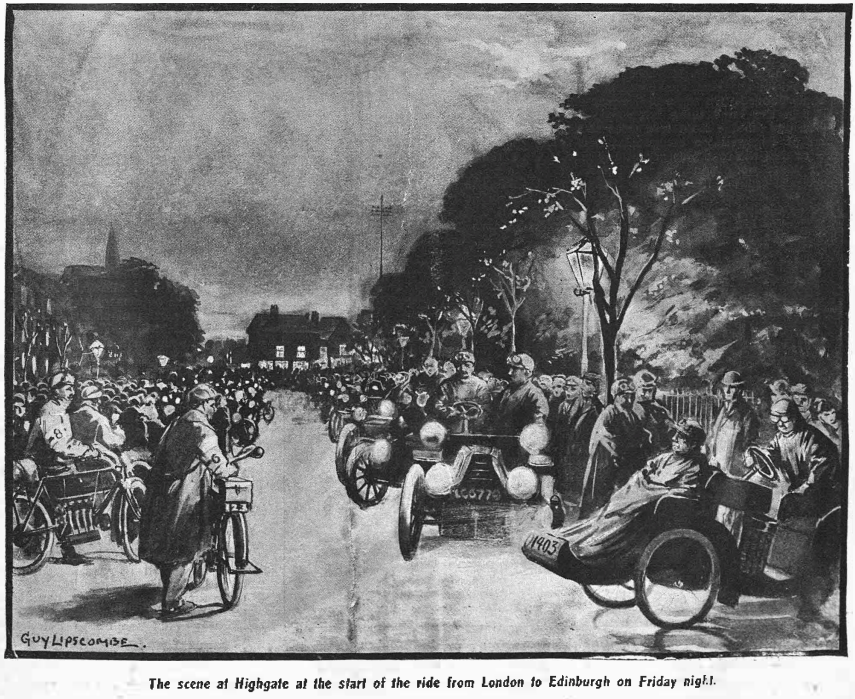
“THE COMMITTEE OF THE Motor Cycling Club are to be congratulated upon the happy thought of changing the start of their annual London to Edinburgh trial from the GPO to the top of Highgate Hill. In place of congested thoroughfares, greasy cobblestones and the difficulties of threading their way through a maze of traffic, the riders were assembled on Friday night in an immensely broad thoroughfare, with ample space to marshal and arrange all the men in proper order, and as a police station was in close proximity, every assistance was rendered by an inspector and a large force of police. Out of a total of 94 entries, 82 starters faced the timekeeper, Mr FT Bidlake, a splendid muster indeed, considering the fact that rain had fallen heavily during the day and that the outlook was anything but promising. As the hour of starting approached, a tremendous crowd gathered, and quite a host of well-known motoring people were present, in addition to some thousands of the general public…Prompt to the programme second of starting, 10 o’clock, the first one of the 49 motor-bicycles was sent away with a hearty cheer from the crowd, which had now assumed very large proportions, and thereafter the men were rapidly brought up to the line and sent away at half-minute intervals…One tricar without a passenger seat started amongst the singles, the last to leave getting away at 10.30 exactly. Two minutes later the first of the tri-cars was sent away, these also having the same interval between each machine. The whole of the 16 entries were got away by 10.39, including Miss Hind on a Singer, who pluckily went through with a lady passenger, and received quite an ovation from the sporting crowd when word was given to start.” After which lots of cars set off for Edinburgh, including a 12hp Belize carrying The Motor’s staffer, ‘Cyclomot’, who reported: “Being a two-seater, we had to cut down our wraps and creature comforts to a minimum, and thus, when Edge and Bidlake gave us the word to go, I, personally, was a cross between an Arctic explorer and a look-out man in a storm, with my doubly-heavy motoring rig topped by a great water-proof smock and a sou’-wester. And it was so bitterly cold between two and seven in the morning that I would not have refused a foot warmer. We started about eightieth, or very near the end of the procession, with the leading motorcycle 46min in front of us.” Cyclomot’s tale of his trip in (well, on) a car is of peripheral interest; he concluded: “The final stage from Berwick to the Scottish capital is the most interesting part of the run, the road through Ayton, Dunbar, and Haddington being an excellent one, and at times running close to the sea coast, the views being very fine. The time for arrival at Edinburgh was 8.40, and, as usual, there was a big crowd of spectators lining the road right up to the GPO. The event was, in fact, considered important enough to have a force of mounted police to keep the road clear.” Among the finishers were 34 motor cyclists—and some were gluttons for punishment. “The following is the list of starters from Edinburgh for the Schulte Trophy: AG Reynolds, bicycle; A. Williams, bicycle; F Hulbert, bicycle; OC Godfrey, bicycle; CJ Hart, bicycle; JA Bailey, bicycle; LW Bellenger, bicycle; JW Stocks, car; FW Peckham, car; CW Brown, car; J Platt-Betts, car; AC Earp, tri-car. All arrived between 10.37 and 11pm at Barnet, except Hart and Earp. Earp reported punctured hopelessly north of Grantham; Hart arrived at 11.27.” It seems that then, as now, motor cyclists had a greater taste for adventure than their four-wheeled counterparts. Of the 12 solo riders who attempted the 800-mile run 11 completed it. By comparison, of the 15 passenger machines which set out for Edinburgh, only four arrived.
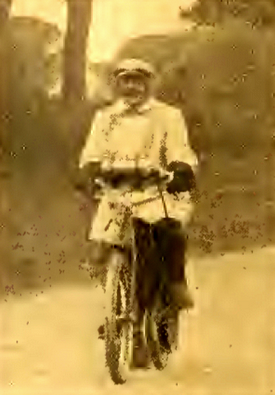

“THE ROYAL COMMISSION on motor cars reported, having met 41 times and hearing from 122 witnesses “in addition to which a large amount of written information was considered…Excepting the provisions in the Motorcar Acts and the Locomotives Act of 1865 having reference to traction engines only, no general statutory limit has ever been set for traffic on the highway (not running upon rails). Many of the chief constables of counties gave evidence for the retention of the speed limit, because they stated that it would prevent driving at 40 and 50mph. But the chief constable of East Sussex proved conclusively, from a long series of tests made by an electrical apparatus on a straight, level and little-frequented stretch of road between Lewes and Eastbourne, that the speeds of even 40mph so freely spoken about by some witnesses were very rarely attained. The object of the law should be, not to punish speed because it is speed, but because and where it is dangerous to the public. The operation of ‘police traps’ has been unsatisfactory, because the police select open stretches of road, it being clear that cars will be travelling fast there and detection is easy…There is a remarkable discrepancy in the action taken by the police in different counties. Taking a period of time from July, 1904, to June 30th, 1905, and dealing only with Section 9 of the present Act (imposing a 20-mile speed limit), there was not a single prosecution in 13 counties, including such populous districts as Staffordshire, Leicestershire and the East Riding of Yorkshire. The counties of Oxford, Derby, Gloucester, Somerset and the East Riding of Yorkshire only had one prosecution each in that time. In Wales there were no prosecutions in six counties, and only one prosecution in each of the other six. In 27 out of 33 counties of Scotland there were no prosecutions, and but one each in the remaining six. In the whole of the 32 counties of Ireland there were only two prosecutions—one in Dublin and one in Wicklow…Twenty-four out of 88 counties in Great Britain had no prosecutions at all for driving to the common danger, and in 46 out of 88 counties the speed-limit section is altogether dispensed with. The Commissioners think that any speed limit might well be abolished, and that Section 1 should be so amended as to make it applicable to all cases of negligent or reckless driving, or driving to the common danger. There should be an express provision against racing on the highway…The Commissioners recommend that local authorities should themselves have power to restrict speed to 12mph within such parts of their area as they think fit…Any person driving a motorcar shall be guilty of an offence under this Act if he fails to stop his car and drives on without tendering his name and address, with intent to escape any liability, either civil or criminal, when an accident has occurred to any person, or to any horse or vehicle in charge of any person, owing to the presence of the motorcar on the highway…The compulsory adoption of speed indicators or speedometers is not recommended…The Commissioners quote quite a number of extracts from evidence given by various witnesses who made extraordinary complaints about the alleged annoyance, damage, and injury to health suffered from dust…The Commissioners were agreed that, at a speed between 10 miles the dust is slight, that it increases greatly from 12-20mph and continues to increase in a smaller proportion at higher speeds. The enforcement of any extraordinary regulations so as to compel a driver not to produce an excessive amount of dust when passing dwellings or traffic would be uncertain of application, and it would be impossible for a driver of his own knowledge to disprove a charge of this character founded upon malice or ill-will…A well-constructed road, made of hard stone, carefully laid on a good foundation, with proper filling or binding material, and well rolled, will produce far less dust than one made with soft or local stone and filled in with road scrapings…figures given in the report show the number of vehicles registered since the 1903 Act came into operation…December 31st, 1904: motorcycles, 27,348; other motorcars, 24,201; total, 51,549. September 30th, 1905: motorcycles 37,665; other motorcars, 36,373; total, 74,038. May 1st, 1906: motorcycles, 42,438; other motorcars, 44,098 ; total, 86,536. These figures show that cars have nearly doubled in number in seventeen months…Local authorities to have power to acquire by agreement or purchase banks, hedges and pieces of land at corners, etc which prevent a clear view of approaching traffic…Attention is directed to the necessity of providing footpaths alongside all main roads…Cars to be re-registered annually. Local authorities to supply identification plates and that it be an offence to forge or fabricate similar ones…Cars to be registered in owner’s district only. Registration plates to be supplied at cost price. A card, supplied by registering authority, to be affixed to car in some accessible but not conspicuous place, bearing number of car, name and address of owner, and date when registration expires…Government testing of cars not desirable as involving a large staff of officials. Compulsory limitations of speed by gearing down of all vehicles to one rate technically impossible, and even if possible would open the door to fraud…Official examination of competency of drivers applying for driving licenses not recommended, nor is medical examination or official certificate of character. When an owner or hirer or any person can be shown to have been abetting the driver in offences under Section 1 of present Act he should be equally liable to fine or imprisonment. The obligation upon an owner to give information as to name and address of driver should be made wider, so as to compel the owner to supply such information in all cases where any offence is committed under the Act…Present friction as to right of constables to inspect license, but not to inspect endorsements, if any, would be removed if registration card on car were adopted. Present rule requiring driver to personally carry license to remain, but if he has not got it with him when stopped by a constable, and correct name and address are given and license produced to the police within three days, no penalty should be inflicted. Non-production of a driving license in a court of law to be an offence…Identification marks not to be painted on cars. Plates to be ‘rigidly’ attached to car…The back plate to be illuminated by a bright rear lamp…The present accepted definition of a motorcycle, as contained in the Local Government Board circular of November 20th, 1903, should be embodied in any new Act. The definition is a vehicle travelling on not more than three wheels, and not exceeding 3cwt unladen…Motorists should be treated as lawful users of the highway and special offences only created where the great speed of cars and their exceptional powers of escape make such provision necessary. Endorsement of license to be at the discretion of the Court in all cases except under Section 1 or for being drunk. A holder of an endorsed license to receive a clean license if he goes for two years without any further endorsement. Any person convicted three times within twelve months under Section 1 to be disqualified for a period of twelve months from holding a license. Drunkenness to carry a fine of £10 or one month’s imprisonment for first offence and compulsory endorsement of license; second offence, deprivation of license for any period in discretion of magistrates, in addition to other penalties under Act…Unnecessary to require motorcars to use one universal method of signalling their approach. Excessive noise from horns or other instruments to be an offence, and syrens or steam whistles to be prohibited. Signalling instruments only to be used when necessary. Emission of smoke to be an offence, as also creation of unnecessary noise or vibration. A motorcar (excepting motorcycles) to carry two white lamps in front (one on either side) and a white lamp for illuminating number plate at rear. Rear red light necessary. Lamps to be lit half-hour after sunset until half hour before sunrise…Classification of weight for taxation purposes to be amended according to following scale, such taxes to be annually payable. Motorcycles, £1; cars unladen up to I2cwt, £2 2s; up to 15cwt, £3 3s; up to 25cwt, £5 5s; over 25cwt, £8 8s.”
“ON THE WHOLE, the report discloses much that is favourable to the motorist’s cause. It is one thing, however, for a Royal Commission to make sensible proposals, and quite another thing for Parliament to accept them. There is good reason for congratulating ourselves that the abolition of the speed limit has been decided upon by a majority of the Commission as a wise and proper course after a thorough and impartial examination, but it will be well not to be too sanguine that the proposal will find acceptance and become law.”

“THE GOAT…THIS ANIMAL WAS A 5HP TWIN TRICAR with two speeds, solid chain drive, bucket seat, wheel steering, and accumulator ignition. The owner—whom we will call ‘G’—asked me to be the passenger from a place near Nottingham to Ledbury in Herefordshire. I, foolishly, jumped at the idea. I had never been in a tricar before, nor, I may say, have I been in one since. Our route was to be Nottingham, Ashby, Leicester, Rugby—this was afterwards changed to Coventry—Warwick, Stratford-on-Avon, Evesham, Tewkesbury, Ledbury. We started about ten o’clock in the morning on a Friday—ominous day—in July. Nothing worse than the throttle control coming adrift happened in the first few miles, but half-way between Nottingham and Ashby we ran over a patch of unrolled stones, which brought the driving chain off. It was a mild foretaste of things to come. We had hardly passed Ashby before we began to lose power until we crawled along on low gear, and had to get out and run up every slope. We arrived at our lunch stop at 3.30, and spent the rest of the afternoon trying to find out what was wrong, and after tea we again took the road, but not before we had spent half an hour in trying to start. However, by the time we reached Leicester—a distance of five miles—the Goat gave it up altogether, and we pushed it to the nearest garage, where we were greeted by a supercilious youth, who said there was nothing wrong, and injected paraffin, on which, strange to say, the engine immediately started, and we got through the town before it once more gave it up. We pushed back to a near garage to find only the proprietor—and him nearly prostrate with fatigue, having just got back from a London-Edinburgh run, from which he had retired with a bad smash. I should like to say in parentheses that he was a sympathetic fellow, but wildly enthusiastic about a low-tension magmeto with which his machine was fitted. I have often wondered since how long that enthusiasm lasted. But to return to our muttons, this optimistic fellow promised to set the Goat on its somewhat tottering legs by eight the next morning, and so we sought an hotel. We, to tell the truth, rather doubted the fulfilment of his promise, and, sure enough, on arriving at nine o’clock next day we found the cylinders off and one piston with a huge hole in its head—no wonder we had lost power. A neat patch was screwed on, and at two o’clock we once more started, and had far and away the best bit of our trip, for we completed the run to Coventry in two hours! Here we left the Goat in a garage for a general tightening up while we replenished the inner man, having had nothing but twopennyworth of chocolate since breakfast. All went well till we reached Warwick, when, as we were leaving the town, the driving chain came off; this performance was repeated eight times before we reached Stratford, where once more we sought a garage, and investigation showed that the whole engine had shifted an inch in the frame. We rectified this with an iron bar and a hammer, and
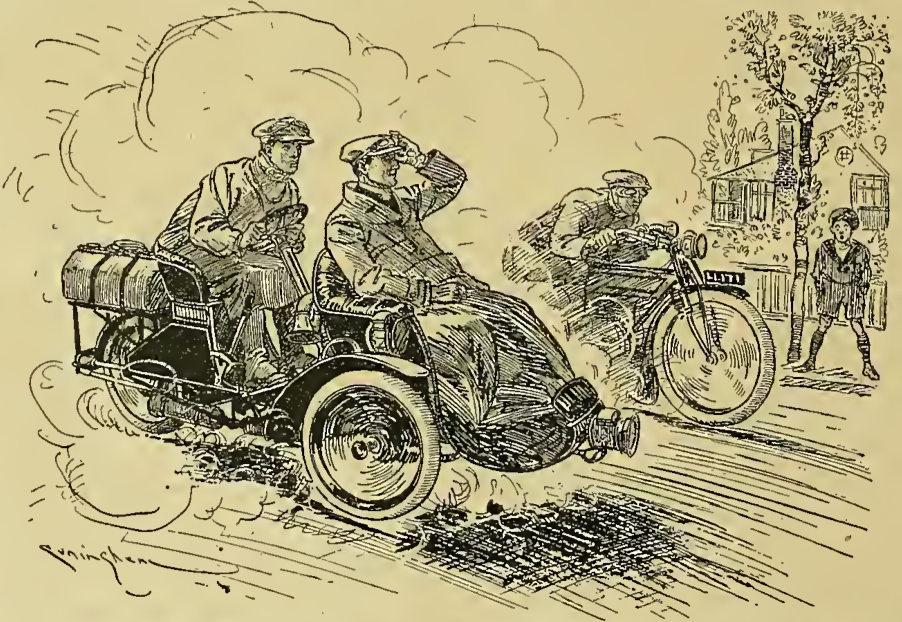
then discovered that the clutch operating pedal—an awful contraption about 2ft long with three right-angle bends—was cracked nearly through. We decided to dispense with it altogether, as the gear could be changed without it quite easily, so it was strapped on behind, and about 10.30pm we left Stratford. All went well till we reached a village on the Avon, where there is a distinct slope down the main street. We arrived about eleven o’clock, and the public houses. were just emptying—the place has the reputation of liking its beer too well!—and so here the Goat took it into its perverse head to run away. I do not profess to understand how it happened, but the switch on the steering wheel refused to act, and I suppose everything else jammed, but anyway G could not stop it, and we charged gaily down the street, far faster than we had ever gone before, yelling at tipsy yokels. At the bottom of the slope G managed to reach the switch on the accumulator, and our one and only ‘blind’ ceased abruptly, and we decided to go no further that night. We therefore marched into the hotel demanding supper and beds. We could have the former, we were told, but the latter was out of the question as they were full up; however, they would try and get us beds in a cottage next door if we liked. We were too tired to go elsewhere, so we agreed on the assurance that the beds were ‘very nice’. Oh! that night. The beds may have been very nice, but their numerous inhabitants were very much the reverse. Let us discreetly draw a veil over the busy scene. Next morning, after a short overhaul, we started in fine form, and gave a 2hp Minerva quite a race till we reached a slope, up which we had to push. A minute or two later I heard a horror-struck voice over my shoulder, ‘The oil pipe has broken,’ and so we went on in momentary expectation of a seizure until we reached Evesham, where, being Sunday, it took us two hours to find a man who could do the necessary soldering. We then went without mishap as far as Tewkesbury, but as we were leaving this town we discovered that one of the two long screws which fastened the ‘make and break’ was missing. We screwed the other up—we had to repeat this perform- ance every mile or so—and proceeded gingerly. About ten miles from our destination one of the exhaust pipe unions broke, and so we ended the journey sounding like a Maxim gun, the gases exhausting on to the only place where G could comfortably put his right foot. For these last ten miles, I, being well known in the district, remained discreetly goggled, in the hope of not being recognised! Hence many ribald jeers from G. We arrived at four o’clock in the afternoon on Sunday, having taken since ten on Friday morning to cover the 160 miles. I can only say that the Goat must have foreseen my ill-luck with motors, and was doing its level best to dissuade me from having anything more to do with them—anyway, that is the most charitable view of its performance. Poor old Goat! G accepted £10 for it, in part exchange for a new model, the very next day. I often think of it now when anything exceptionally exasperating happens—as, for instance, when, the other day, I broke my throttle wire at the foot of a steep hill in Cornwall, and had to push to the top to get a repair. No misfortune has ever deterred me: I am still an enthusiastic motor cyclist, and—‘though I say it as shouldn’t’—I am a nailer at diagnosing obscure troubles, even if I cannot cure them!”
Parson
THE WORLD ASSOCIATES the TT with motor cycle, but lest we forget, motor cyclists did not invent the concept of the Tourist Trophy. “Our one great race—The Tourist Trophy Event. The lists for the Tourist Trophy have closed with an entry of 49 cars, and for the next three weeks the work of preparation for the race will go on unceasingly. A comparison of the entry lists of last year and. this year reveal the withdrawal of 13 firms who competed in the first race, whilst eight who entered but did not start have not even entered this year. However, if 13 of last year’s competing firms have dropped out, 15 new ones have taken their place, and, in every case except one, the newcomers in the race are also newcomers to the British trade. And, again, new British productions form a very creditable proportion of the number.”
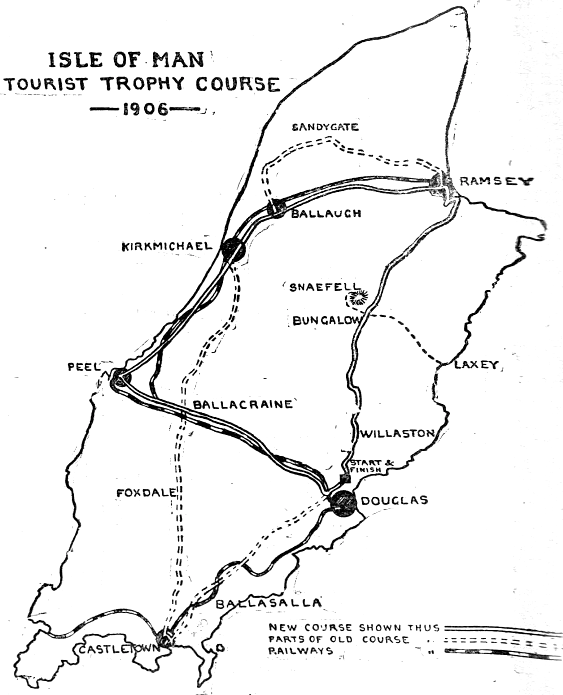
“AT THE CLERKENWELL SESSIONS, on the 27th ult, JC Bird and Wm Hooper were indicted for having broken and entered the Neckarsulm Motor Cycle Co’s premises and stolen two motor bicycles and accessories value £90. After the place had been entered prisoners called at the South Ealing Motor Cycle Co and offered the machines for sale. The manager recognised the description of the missing property and communicated the circumstances to the prosecutors. The prisoners were conveyed with the property in a waggonette to Tottenham Court Road Police Station, and on the way Bird, who was a clever cycle repairer, pointed out to a prosecuting witness the defects he said there were in the recovered machines. Mr McConnell, KC, sentenced Bird to nine and Hooper to six months’ imprisonment.”
“MR HORLEY’S PATENTED PREPARATION, Tarmac, has given excellent results in practice…I am told that on the contract for the much-disputed Madeira Road at Brighton a loss of no less than £900 was made…due to…incorrect estimating…a very large trade is not only arranged for in the outfit for the work, but it is already being done, and hundreds of tons of the mixture are being sent out every week.”
“A MOTORCYCLE FOR THE ARCTIC. A great deal of interest has been manifested in Walter Wellman’s forthcoming search for the North Pole. An Indian motor-cycle, built on original lines, which will be a part of his equipment, was rebuilt in Washington, and great things are expected of it. The machine takes the form of a motorcycle sled, and the runners in front are constructed of steel tubing of small size and well braced. The framework of the original machine remains intact, in addition to which there has been added a pair of hickory runners. By means of a steel brace, these runners can be elevated from the ground when the snow becomes too deep for the rear wheel to revolve. A steel-studded tire is used, and the rim is reinforced by a rim of corrugated galvanised iron. The motor is 2¾hp, of the regular Indian type. The weight of the machine is about 200lb, and unless all calculations fail it will play a very important part in this latest Arctic expedition. The machine has already been shipped to the base of supplies which Wellman has established in Norway.”
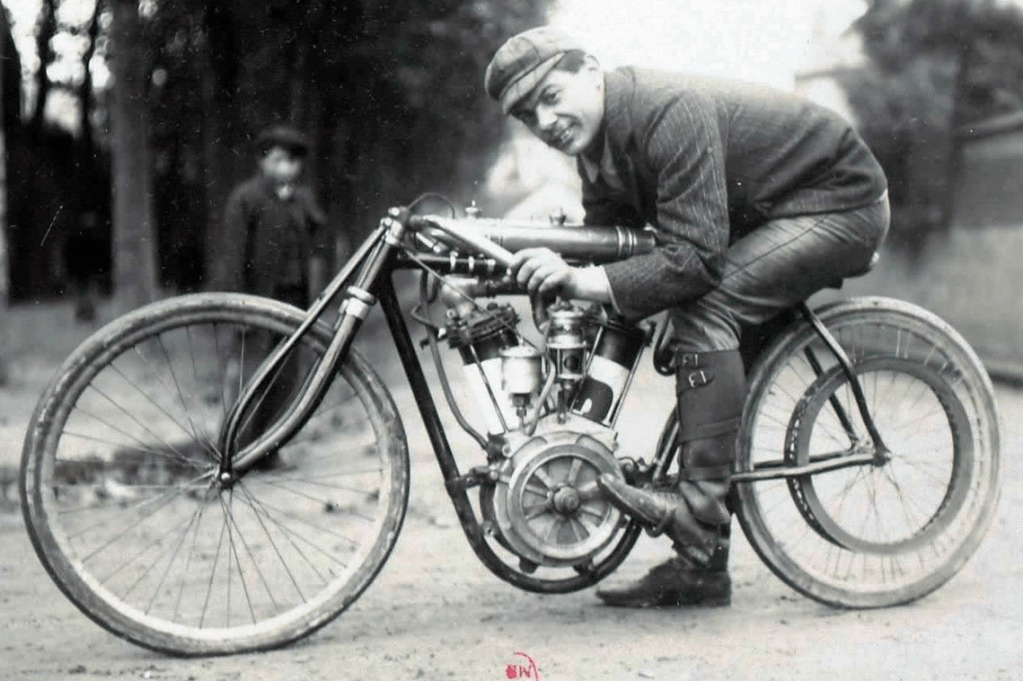
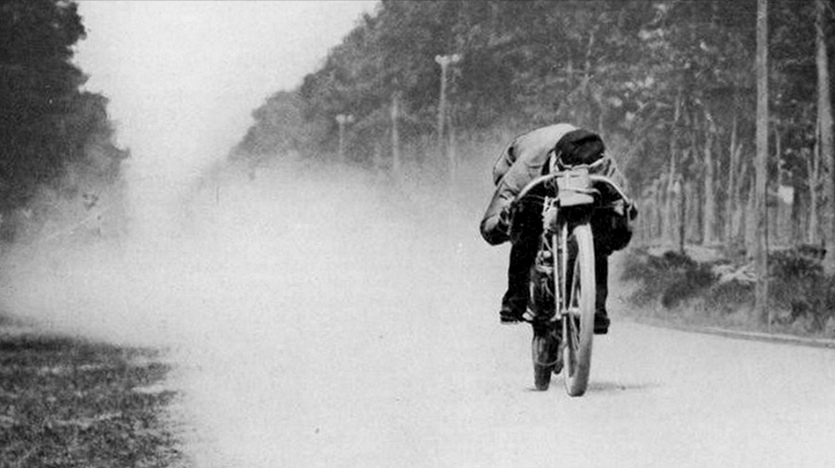
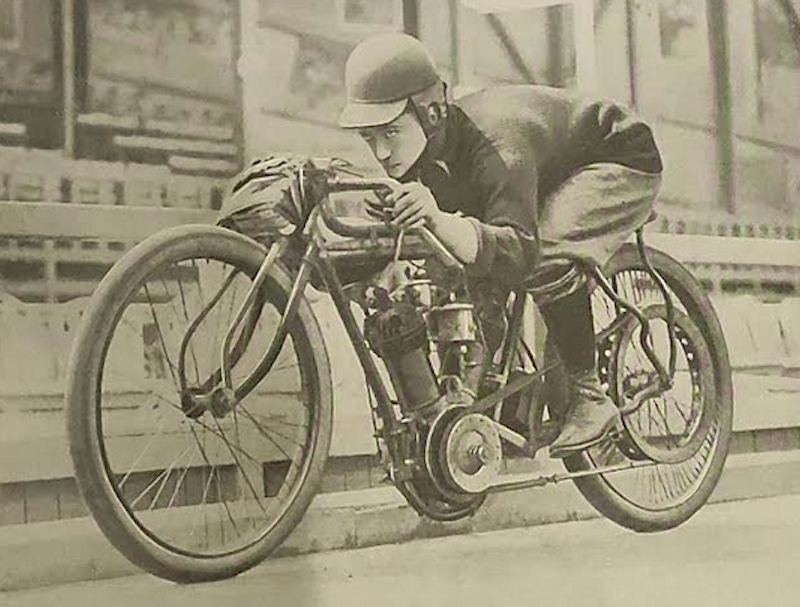

FROM LE PETIT JOURNAL: “Over the last few days, the Buffalo velodrome (in Paris) has been the scene of a dreadful accident. A match was scheduled between Pernette and Armand Contant. Their 12hp machines were capable of reaching 100kph. The 300m Buffalo velodrome track is shaped like an ellipse with solid wooden barriers around the two 70% bends—spectators often lean against these barriers to get a better view, their bodies protruding good third of the way, their heads tilted forward. The meeting was drawing to a close when Pernette and Contant lined up. The riders began their second lap and the timekeeper had just noted that the first 300m had been covered in 12⅖sec, giving an average speed of 87kph, when Pernette’s belt jumped and locked his rear wheel. Contant was 10m behind, almost on top of Pernette, who was tumbling down the slope. To avoid him Contant had to swerve and was thrown towards the balustrade, on which he actually rode for more than 20m. A horrendous clamour erupted from all sides. The footboard of Contant’s motor cycle hit a dozen spectators in the face as they leaned over the barrier watching Pernette’s crash. The machine and driver fell back onto the track and tumbled to the ground. Contant was picked up without too much trouble, as was Pernette. But, alas, the same could not be said at the top of the bend. The unfortunate spectators who had been hit by Contant’s machine were lying on the ground as the crowd rushed towards them, struggling to reach the injured. Stretchers were brought in and the bodies of the poor victims were laid on them. Two people were killed and ten injured in this strange and painful accident.”
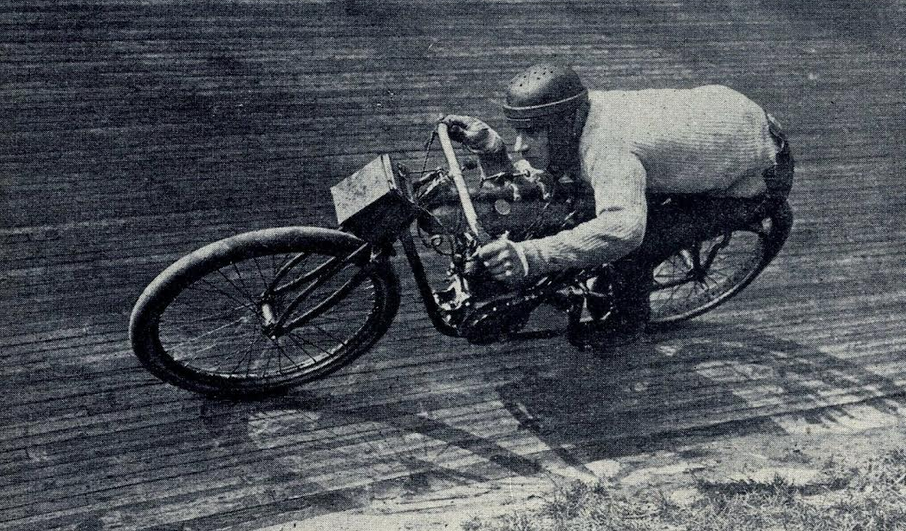
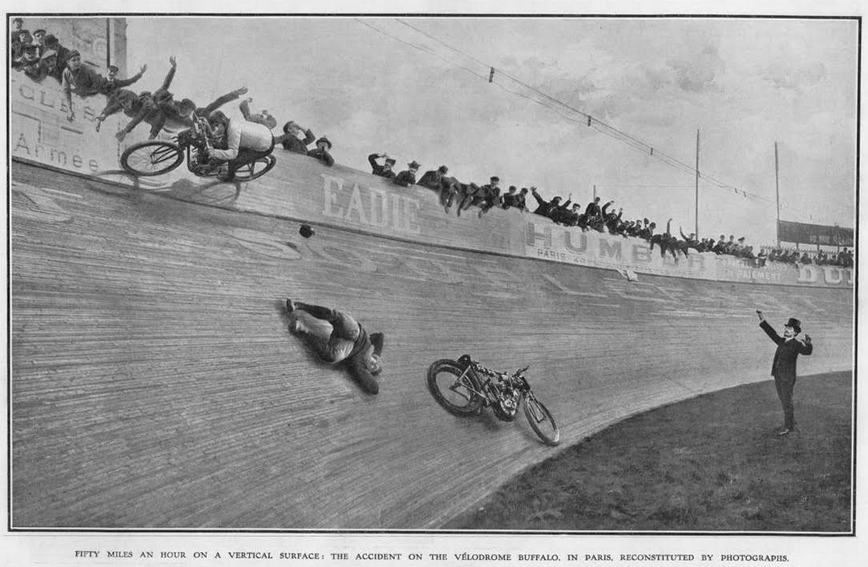
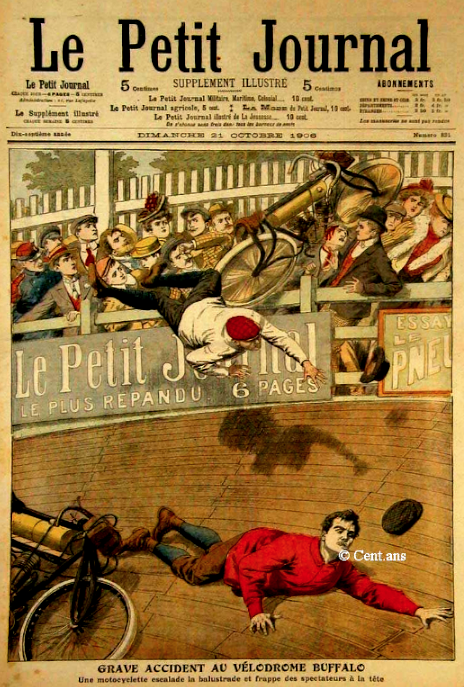
“SUPPLIES OF PETROL are in the hands of a few wealthy corporations and firms, the largest and most important of which is gigantic American Oil Trust. Under these conditions price of motor spirit is practically beyond the influence of competition, and motorists are at the mercy of the producers, within whose power it lies to advance the price to any figure they may find attractive. Such prospects are not pleasant…With mineral oils or spirits thus monopolised, vegetable products immediately suggest themselves, and alcohol at once springs into mind. It can be extracted from grain potatoes, beetroot, sawdust, etc in a sufficiently pure state for use as a combustible material in motors, and as the sources of its supply—the raw material, in other words—are amongst the most common agricultural produce of the country, it would appear at once as if a cheap fuel were ready to hand. It is, however, not safe to jump to conclusions…”
“IT WILL BE NEWS to most of our readers to know that the work of clearing the way for the motor speed track at Weybridge is now in progress. The track is to be laid on M. Locke King’s estate, between Weybridge and Byfleet stations. The main entrance will be about half a mile from Weybridge station, which is a very pleasant run from London—about 20 miles; while there is a good train service from Waterloo, passing through Wimbledon, Malden, Surbiton, Sandown Park and Walton. One day last week a ‘Motor’ representative paid a visit to the site, and found that great progress had been made with the proposed track, some 300 hands having been employed during the past month cutting down the trees in Cains Wood, where the winning post and grand stand will be erected. The track will be about four miles round, the width being 100ft, and the big curves will be banked something in the direction of 20ft. As the track runs close to the edge of the road from Weybridge to Byfleet, a large wooden fence will be erected to keep the track private. Apart from the sort of circular track, a straightaway track will be built in the centre for speed trials over short distances, finishing near the grand stand…We are given to understand that a special effort will be made to have everything in readiness before the end of 1907…at last we are to have the much-talked-of autodrome, motordrome, or whatever name it is to to be given.”
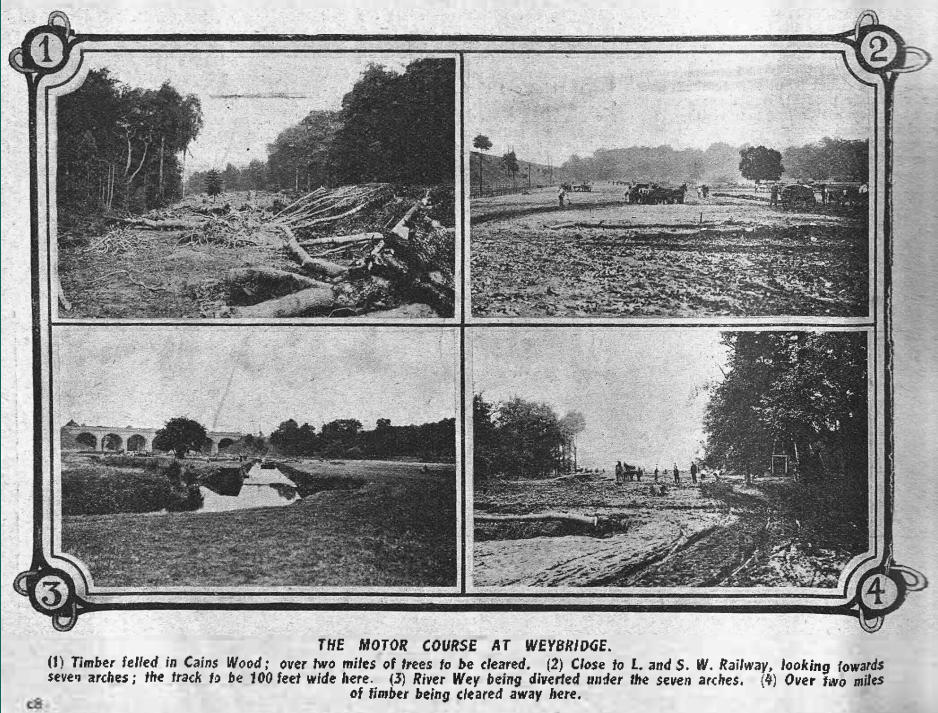
“MOTOR CYCLING CLUB CLOSING RUN. Despite bad weather, the closing run of this club had a record attendance, between 70 and 80 members and friends journeying to the Bull Hotel, Redbourn, for luncheon. No less than 12 cars were in evidence, half-a-dozen tri-cars, and about a dozen motor-bicycles. Mr JA Jackson was to have taken the chair, but he had some bad luck on the way. A bad puncture delayed him close to Regent’s Park, and by that time the roads were extremely treacherous, and it was only after three falls that he abandoned the ride and left his bicycle at Hendon. Mr SJ Sewell addressed a few words to the members, and said it spoke well for the vitality of the club that such an assemblage could be formed under such weather conditions.”
“THERE WAS A CERTAIN internationalism about the eighth annual hillclimbing contest at Gaillon last Sunday…In the motorcycle classes, the light section was secured by Anzani on his own machine, 45⅘sec equals 76.60kmh or 48.84mph; Motortri Contal, 47⅗sec equals 75.63kmh or 46.99mph. In the heavy class Cissac on a Peugeot was 1st, 27⅘sec, equals 129.50kmh or 8O.04m.p.h. (2nd fastest time of the day); Giuppone on Peugeot, 29⅖sec equals 122.45kmh or 76.08mph.”
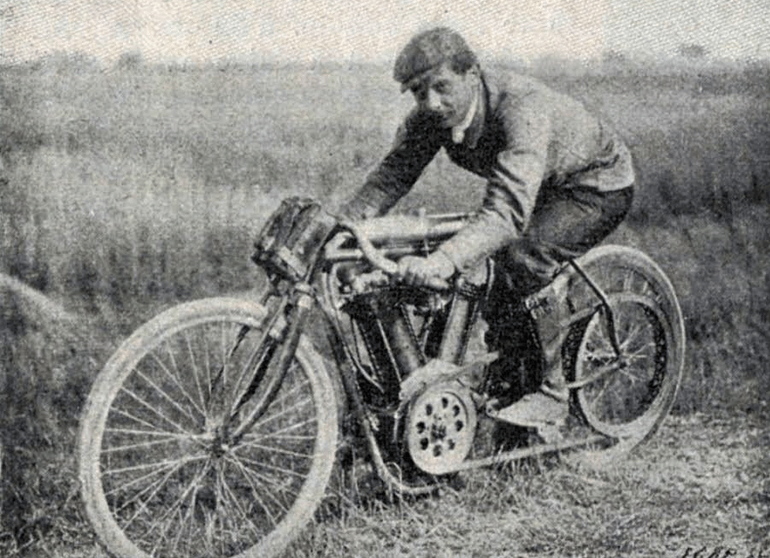
“MOTOR-BICYCLE RECORDS IN PARIS. Three attempts on motorcycle records were made on Sunday at the Parc des Princes Track, Paris. Anzani had a spill in trying to lower Giuppone’s figures of 63 miles 1,078yd in the hour for heavy motor-bicycles (over 50kg), but he was not seriously hurt. In the light motor-bicycle class (under 50kg) Pernette was more successful, setting up new figures of 59 miles 801yd in the hour (old record, 56 miles 266yd by Giuppone). Pernette took lhr 3min 52⅖sec to complete the hundred kilometres. The third attempt, also successful, was by Thomas, who beat the ‘Tiers de Litre’ (one-third of a. litre cylinder dimension) record for the hour, with 56 miles 1,685yd (against 55 miles 1,520yd by Cissac): the hundred kilometres were reeled off in 1hr 5min 27⅕sec. All the rides were on Alcyon machines with Buchet motors. Thomas used chain transmission.”

“MCC PETROL CONSUMPTION TRIAL. By the courtesy of the club president, Sir Henry Colville, the Motor Cycling Club held a petrol consumption trial at Lightwater, near Bagshot, on Saturday afternoon last. There were ten starters in the bicycle class, and four with vehicles carrying passengers. Bicycles: 1st, WA Sale,3½hp Quadrant; 2nd, Sir Henry Colville, 3hp Triumph. Passenger vehicles: 1st, AS Wilson, Ormonde with trailer; 2nd, RG Booth, Ormonde with side-carriage. An impromptu time trial round the lake in Sir Henry Colville’s grounds was decided upon, with the result that the ten motor-bicycles entered. The winner was Mr EM Ley, to whom the president presented a cup. The whole of the party were entertained at tea, and Mr JA Jackson, on behalf of the club, heartily thanked Sir Henry and Lady Colville for their hospitality, and for the way they had made everyone feel at home. Much satisfaction was expressed later on when it was stated that Sir Henry would be present at the club’s annual dinner…and everyone was delighted to hear that Lady Colville would also attend.”
“SEVEN NATIONS, REPRESENTED by 16 balloons, will be interested in the great balloon competition which will transform the pleasant quietness of the Tuileries Gardens on Sunday next into a scene of unusual activity. The Gordon-Bennett Cup, or, as its donor prefers to call it, the Coupe Internationale des Aéronautes, will be awarded to the balloonist who covers the greatest distance without coming down to earth, account only being taken of the mean distance from the Tuileries Gardens to the point of descent, and not of the actual distance covered by the balloon. On the eve of the race interest in Paris is great…A westerly wind is sincerely hoped for in order that the competitors may be blown across Eastern Europe. For the past few days, however, it has been just a contrary wind, and if this continues until Sunday all the balloons will probably come down on the Atlantic coast line, and the coveted prize be won by the daring aeronaut who succeeds in descending on the last jutting strip of land. The seven countries engaged in the race are Great Britain, France, Germany, America, Spain, Belgium, and Italy.”
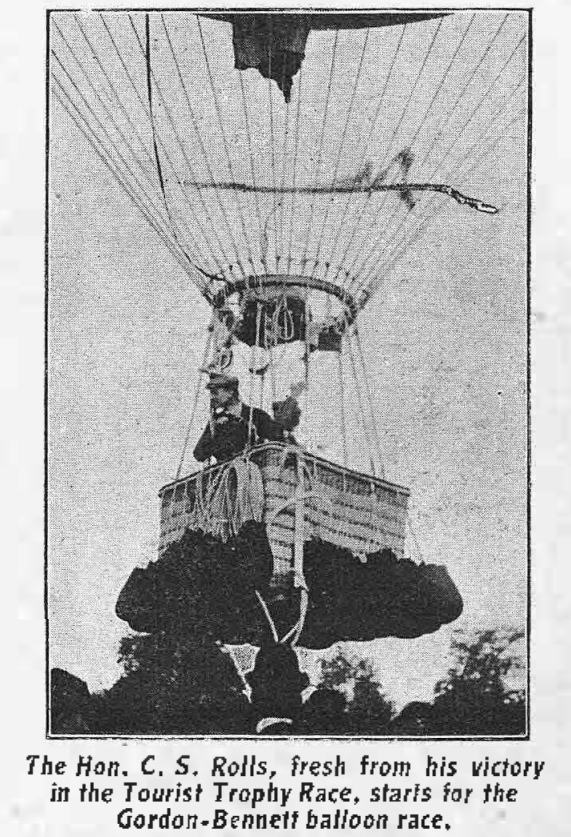
THE CAR ILLUSTRATED took an interest in ‘The Motor Cycle Gordon Bennett’: “When Lord Derby generously offered the grounds of Knowsley Park for the Auto-cycle Club’s selection race, not a few motorists considered that his lordship could not have weighed up the probable effects of his action, for, 27 laps of a 4½ miles course suggested that the private roads would be torn up into a deplorable condition. But it says much for the construction of those same roads and the careful driving of the competitors that the surface was left with hardly a mark upon it, although cars as well as cycles made frequent use of the paths. The Hon Arthur Stanley, MP, was an interested spectator, whilst the Marquis de Mouzilly St Mars took an active part in the management of the race, as did Messrs Straight and Ebblewhite. The story of the race itself is soon told. The brothers CR and HA Collier, on their 7hp Matchless machines, rode with great regularity and completed the course practically without a fault. CR, as a matter of fact, had one spill, but it was not of a serious nature, and he soon got going again. CB Franklin, who, on a 6hp JAP was third, rode regularly, but did not receive his correct engine pulley in time for the race, with the result that his machine was not running with its best gear. Those three, however, made a very creditable showing, and, by the performance of Collier the younger, in particular, have raised hopes of the international event being carried off by this country. The two other starters, R Morewood, on a 6hp Westlake, and A Butt, riding for T Silver, on a 4hp single-cylinder Quadrant, had to retire early in the race. Morewood was brought to the ground at about 16 miles through the steering column of his machine snapping, and Butt, after breaking three exhaust valves, which represented his full stock of that commodity, was obliged to wheel his machine back to the officials’ enclosure after completing five laps. CR Collier finished the course in 2hr 56min. 26⅖sec, HA Collier being second in 3hr 21min 48⅘sec. Franklin, who at one o’clock, when the race was declared over, had covered 108 miles, took 3hr 20min 54sec. for that distance. The final race will be held in Austria on July 8th.”
“A MOST PROMISING motorcycle club has, been formed for Lincolnshire, with headquarters at Lincoln. A start was made with 70 members, and a probability of almost trebling that number shortly.”
“WE HAD THE OPPORTUNITY this week of being present at an experiment altogether unique in the history of motoring. M Ernest Archdeacon, a well-known motorist and aeronaut, had maintained amongst a party of friends some time ago that a propeller was equal in powers of propulsion to more commonly-accepted methods of driving mechanical vehicles. This opinion was not shared by most of his friends, and to prove that he was correct, M Archdeacon set to work and constructed a propeller-driven motorcycle. Last Wednesday, all being ready, notice was sent to a few friends and a number of journalists, and the party travelled out to the neighbourhood of Conflans, where, on the straight, deserted Acheres road, the demonstration was given. The curious-looking machine is fitted with a two-cylinder 6hp Buchet motor, V-shaped, placed in the frame the opposite way to that usually adopted, one of the. cylinders projecting to the left, the other to the right, and being quite independent of the road wheels. Above the frame of the machine, parallel with the top bar, is a long shaft bearing at its forward end, in front of the motorcycle, a two-bladed aluminium propeller. At the opposite end is a controlling wheel, by which the propeller can be made to run loose or fixed on its shaft. The motor is directly connected to the propeller shaft by a belt, the engine running normally at 1,500 revolutions, and the propeller turning at 1,100 revolutions. The total weight of the machine is about 1541b. Anzani, the Italian record man, had been selected to ride the new machine, and after final instructions from M Archdeacon he got astride the saddle, started his motor, and ran it for a few minutes with the propeller declutched. Running slowly, he let in the clutch and went away gently; then advancing the spark rushed down the road at a high speed, a curious sight with his rapidly-revolving propeller in front of him. Under the control of Tampier, official timer of the ACF, Anzani’s time was taken over the kilometre with a flying start, and gave 45⅖sec, equal to an average of 49.2mph. Owing to a previous accident to one of the propeller blades, the experimental runs were not continued long, though the daring Anzani declared himself quite ready to start again, and maintained that an average of 100kph would be obtained. With suitable wings there is no doubt but that the machine would have risen from the ground and flown. Forty-nine miles an hour is far from the records obtained with racing motorcycles. A higher speed could certainly be reached by further experiments with different forms of propellers and by a different inclination of the propeller shaft. It is in this connection that the value of the experiment lies, and the aero-motorcycle will be useful to experimenters in the ‘heavier than air problem’.”
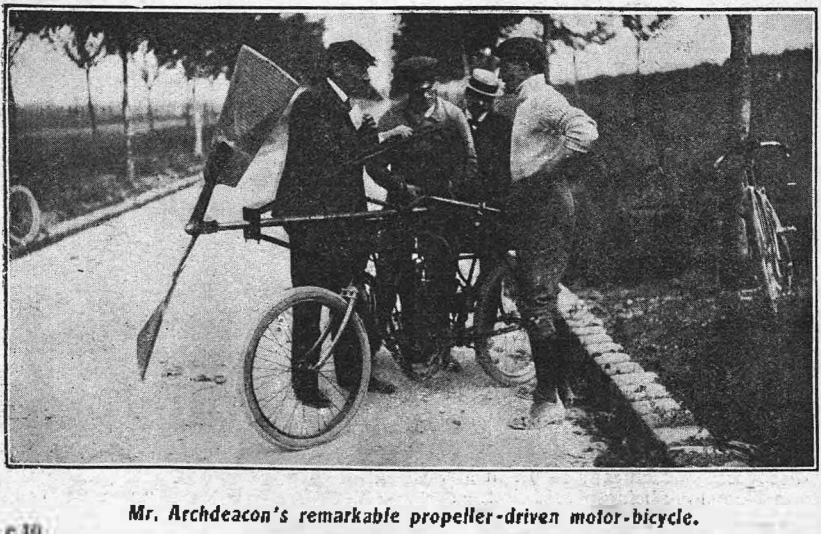
As word spread of the propellor propelled motor cycle a French journalist encountered an inventive French officer who had built a prop-driven four-wheeler, just for fun. C’est magnifique!
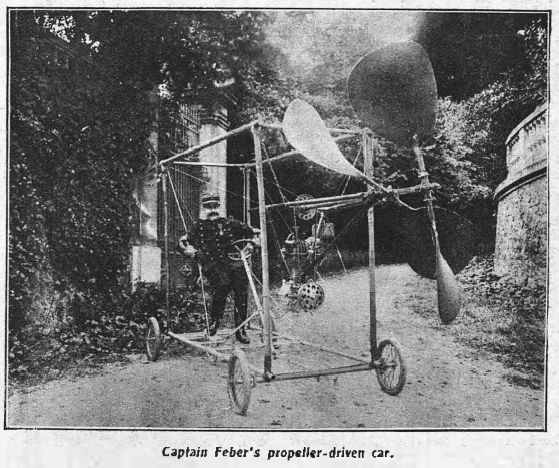
“TIME, 4.30pm, MONDAY, 30th ULT. Telephone rings. ‘Hullo!’ ‘Is that you, Ebblewhite? I’m Barnes; am going to have a try for the hour.’ ‘Is your machine ready?’ ‘Yes, going well.’ ‘Have you got your permit from Straight?’ ‘Yes.’ ‘What time are you going ?’ ‘Six o’clock sharp.’ ‘All right; will be there.’ At 6pm, on arriving at Canning Town track, not a soul was to be seen, but, guided by snatches of comic songs to one of the small dressing-rooms, on opening the door and getting used to the atmosphere of smoke, I discover Barnes, with his two mechanics, fitting a new pair of front forks of heavier gauge, as those taken off were found to whip on the banking. The three men were working against time, and it appeared to my unaccustomed ears that a sort of verbal contest was in progress between them, in which they were following, the example of Kipling’s first lieutenant, who is recorded to have said ‘precisely what occurred to him’. His crew were engaged in making a coaling record, but it is questionable whether the officer suffered more inconvenience than the trio who slaved feverishly in an apartment six feet square. At 7pm the machine was declared ready, and on a trial lap showing on the watch to be 20⅕sec, Barnes was about to start when the front wheel bearing was discovered to be loose, owing to the hurried change of forks. More compliments passed whilst adjustments were made, and at 7.20pm Barnes started to try and improve on CR Collier’s one hour record of 54 miles 523 yards, made on July l2th, 1905. Riding to a table of 1min 5sec to a mile, the recent records (one mile to twenty-seven miles, made by Collier on Easter Monday, in his match with Barnes) were ignored. By the way, Collier’s recent records will require a lot of beating, as several of the miles were reeled off in 60⅕sec…GA Barnes’s records are from 28 miles to one hour. All previous records are held by CR Collier. Barnes kept a little under his schedule, the mile being between 1min 4sec and 1min 5sec, and, keeping up this rate, he was inside record by 33sec at 28 miles, and, continuing to improve on each succeeding mile to 55 miles, rode 54 miles 1,620 yards in the hour…in the last 20 minutes the pace generally slowed, this being caused by darkness, as the ride did not finish until 8.20, and in the last 15 miles the supply of lubricating oil ran out. As an exhibition of British grit and devilment, motoring in the darkness at 50 odd an hour on an unilluminated track. this portion of the ride has a similarity to that of Harry Martin’s, when he beat the 100-mile record on October 28th, 1904, at the same track, although Barnes’s pace was much faster. It was a weird and uncanny sight to see the flames from the two exhausts circling round and round in the dark, and the group of spectators hanging over the railings, silent and fascinated at the sight, only finding their tongues to shout when the ride finished. The machine ridden was fitted with a two-cylinder Alcyon engine, 85x90mm, and it is worthy of note that ordinary 2¼in roadster Dunlop motor tyres were used.
AV Ebblewhite.”

“MANY THANKS FOR the insertion of my loss of a pulley and umbrella cape at Rickmansworth in your last issue. I heard on Saturday, the 28th ult, from a resident that the pulley had been given to the local cycle agent, but am still trying to trace the cape. However, a very quick return of news, I think.
TH Bristow.”
“WHAT IS WANTED by numbers of riders is not so much speed as perfect control of machine and power without pace. This points to water-cooling and two or more speeds, with free engine for starting. The difficulty, of course, is to get an internal combustion engine to travel slowly as well as fast, as it develops its power only by running fast, and is incapable of going very slow without mechanical help. To be able to run slowly in traffic and to go with certainty up any bill (slowly, so as to get d corners) is what ought to be aimed at. All else is detail only, and could be got over.
EP Williams.“
“RE PARAGRAPH IN your issue of April 14th on Newcastle clubs, the Newcastle &DMCC has now 47 riding members, and is in process of affiliation to the Auto Cycle Club, Motor Union, and to the North-east Automobile Association; subscription 5s, plus 2s 6d for affiliation purposes. All riders of motor cycles and tricars admitted. Regarding amalgamation with the Newcastle Motor Club, although we wish to work in harmony with all motor clubs amalgamation is impossible, as the latter club admits cars and their owners to its fold, and it also indulges in club runs, both reasons debarring us from all hopes of amalgamation.
SW Carty, Honorary Secretary.”
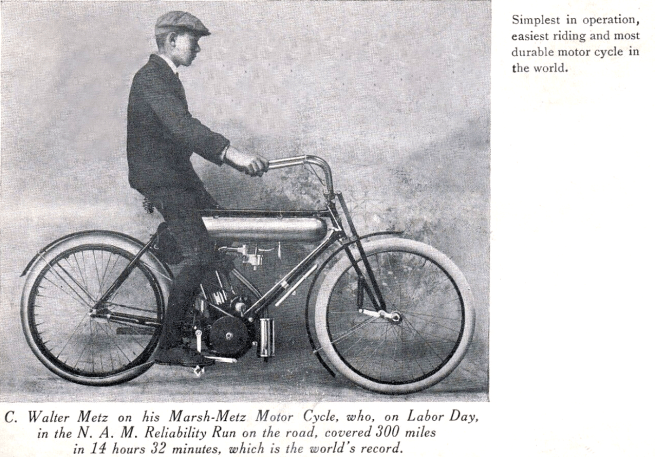
“THE PHOTOGRAPH I enclose may interest your readers to some extent, as it represents what I would term an Anglicised FN. The machine is last year’s standard 2¾hp, 2¼in tyres, with non-slipping tread on each cover, thus affording security against side-slip and punctures, British saddle, toolbag, stand, and back-pedalling brake. The original crank bracket axle, made in two parts and uniting midway, proving troublesome by coming loose frequently, was discarded in favour of a solid axle with keyed on cranks. The original back wheel hub, for somewhat similar reasons, was replaced by a Chater-Lea fitting, the wheel being rebuilt to suit. With these alterations and improvements, the bicycle proper is now about as perfect and reliable as it is possible to have it, and should last for years. During the winter the tanks were finished aluminium, the frame picked out with light blue lines, thus enhancing the general appearance very considerably. The small roll held in a clip on top tube contains a few useful tools for doing minor adjustments, which saves opening up the larger tool holder. The machine has been used for town work principally, and occasional touring, but never at any time, far or near, has there been the slightest trouble or stoppage arising from engine, carburetter, or electrical equipment. I am getting one of this year’s single-cylinder patterns, with magneto and spring forks, retaining the present machine as a reserve. In duplicating, so to speak, I expect to be able to transfer to the new machine many of the superior fittings off the old one, such as wheels and tyres, saddle, stand, etc.
RG Lindsay.”

“I read in a recent issue of The Motor Cycle that I had been appointed a riding officer of a new motor club for the Newcastle district, and that a run was fixed for Good Friday. As I have resigned offices before for similar reasons, I shall be glad of your courtesy to explain. I applied for particulars when this club was formed, and was elected an official without being consulted. As soon as I was informed, I promptly refused to serve, and I have to thank one of your readers for drawing my attention to the notice in your columns, enquiring how I justified such an office in view of my clerical profession.
(Rev) BH Davies.”
[…or, as generations of enthusiasts knew him, Ixion—Ed.]
“YOUR CONTRIBUTOR ‘LHGL’, in his recent article on cylinder-cooling, dismisses the fan in an almost contemptuous manner. However, he qualifies ‘fan’ with the word ‘ordinary’, and I am inclined to think that he has never used a properly-designed fan of the enclosed type with a good delivery nozzle playing on the combustion head. Last year I had such a fan, and found it most useful in hill-climbing and practically indispensable for forecar work. It is not too much to say that with reducing gears either fan-cooling or water-cooling is essential. Professor Callendar has recommended a well-designed fan as a very useful adjunct, and states that it takes a mere fraction of a horse-power to drive. I am quoting this from memory, as I have mislaid the magazine in which I read it. From my experience with fan-cooling, I am so convinced of its advantages that I am thinking of having a twin-cylinder engine fitted on a small car, cooled either by two fans or a double-blast fan, in the hope that the water tank, pipes, and radiators may be dispensed with. The net saving in weight-would be considerable, and the saving in trouble very appreciable.
EHF.”
“SUMMARY OF OTHER CORRESPONDENCE. H Parkinson writes: ‘Would any Preston or Lancaster rider describe the best route to Blackpool from the main road between Lancaster and Preston suitable for a sidecar? Last year I went via Broughton (three miles from Preston), but found the road very bad…CR Light wishes to thank the owner of car W409, who so kindly assisted him on the 14th ult, three miles from Wetherby…CW Croft reports very generous treatment on the part of Mr Sheen, of Greenwich, who opened his shop on Sunday afternoon to supply a spare accumulator…Will the gentleman who lent an accumulator at the George and Dragon Hotel, Westerham, on the 21st ult, communicate with SW Waldell, Cumnor, 38, Kenilworth Avenue, Wimbledon, SW?…Mr Wells writes correcting our report of the Herts Automobile Club hill-climb, where we made a statement that the performances of the two Vindec machines did not count, as under ACC rules no man may ride two machines in one event. No one man rode two machines in this event. While there were three Vindec Specials entered with a different rider for each machine, only two competed—one ridden by Mr JS Harwood and the other by Mr Wells. We make this correction with pleasure…EXPERIENCES WANTED: ‘MRCS‘ would like to have readers’ personal experiences with the Norman two-speed gear, more particularly those who have had the gear in use for some time…B Horne will be glad for an opinion from our readers of the Osborne free engine pulley (not the four-speed gear) for use on a 3½hp machine with a ⅞ belt.”
Motor cycles had evolved in a handful of years from novelties fit only for local jaunts to machines capable, in the right hands, of spanning continents. Here’s an excerpt from one such expedition.

By Rev AJ McKinney
“…The direct road between St Germain and Paris is in a most shocking condition, which must be experienced to be believed. My feet were jerked off the pedals, and my machine slithered from one side of the road to the other, and I had great difficulty in avoiding several falls. I then returned to Paris, and spent the rest of the day on ‘buses and in walking the streets looking for my friend. The next two days I was unwell, and unable to eat anything. After two days’ agony, during which I daren’t even look at the motor, I improved gradually, and at last I was well enough again to see about having my accumulators recharged, which I did after spending a whole morning over the business, and being finally referred to the Minerva Co’s premises in the Rue de la Grande Armée. Strangely enough, it was through this that I found B, for he, too, had left his machine there. He told me he had had to stop again two miles further from where I left him, and that while he was mending the wire I thundered past. More postcards from B, and then we set off at 4am, determined to do a really long day’s run, but though we rode till 9pm we only did 40 miles—just one hour’s run on these machines. B had bought a new tyre cover for this tour, which was of the most flimsy description, for it did nothing but puncture all the time, till all sense of moral rectitude had vanished from our minds. Fifteen hours spent under a blazing sun, dragging off a stiff outer cover and using pints of solution and yards of rubber, till our fingers were so sore that they would not bend, are enough to ruin the temper of a saint. That awful tyre almost spoiled our trip, for till we finally threw it to a pig and bought a French one we knew nothing but vexation. How we drank bottle after bottle of delicious light wine at a wonderfully cheap price (7½d a large bottle), how the perspiration rolled off us, and what a treat to turn into bed that night! Owing to these punctures, we nearly got into serious trouble next day, for we had taken no lamps with us, not meaning to ride on strange roads in the dark, but through B’s tyre faithfully maintaining its character we entered Joigny half an hour after nightfall, and dashed unknowingly into a group of 30 gendarmes and soldiers, who seized us and our machines before we knew what was happening. The chief was in a tremendous rage, and gave orders to lock us up, and things began to look a bit serious. I conveniently forgot all the French I knew, and ejaculated ‘Punctures,’ and pointed to the tyre, and said we were going to the Hotel de la Poste. After about 15 minutes of this, he began to laugh, and the situation was saved, and we thankfully turned into the hotel and had a square meal. The next day we reached Dijon with nothing more exciting than punctures, though the road was excellent, being one of the best Routes Nationales. On the way we saw a collision at a cross road between a FN motor cycle and a big car carrying 10 people. Having rendered all the assistance we could, we mounted, and had hardly started up the village high street when B’s machine, which was leading, startled two horses. The animals began to plunge and rear, and one put his hind leg through the window of a house, while the other knocked down an old woman who stood right in the way and would not move. In an instant the village was one frenzied mass of excited people, who seemed to think that two motor accidents on the same day were too much. Owing to the peculiarly hard quality of the stones in this district, we suddenly recollected a pressing engagement a long way off, and we did not wish to be late for the appointment! In the next town we stopped at, we could not get supplied with food because we had nothing but English gold, which for a wonder they would not look at, so we had to push on, hungry and angry, till we reached Dijon. This is a fine big town, known chiefly as being an important junction on the PLM Railway…We had an enforced stay here while waiting for our accumulators to be charged, which took them two days, and then we were off again.
Owing to all these delays, our original idea of making for Venice had to be abandoned, and instead we went to Macon, and then through the Juras to Geneva. What struck us most in this part of the tour was the excellent way in which the TCF has indicated the nature of the roads by very clear notice-boards, which, in addition to telling us of gates, railways, ditches, etc, even gave the number of turns and the angle of descent on a hill. Of Geneva much might be said, only it would be superfluous. as so many have been there. It was a welcome change to us to sail over the calm expanse of that grand lake on one of the express steamers, and to enjoy the rapidly-changing views in cool, fresh air, after our long and dusty kilometres of French high roads…B, directly he got on board, seized the most comfortable chair on deck and put his feet on another, and fell fast asleep, with a monster box of cigarettes by him, which I enjoyed immensely, while to this day he deplores the want of honesty on the part of some individual on board. Having been refreshed by the sail, after more post-cards, we set out next morning for Lausanne, via Nyon and Morges. This was most delightful; the scenery changed so rapidly as we followed the winding road, sometimes looking down on the blue waters of the lake, and at others receiving a magnificent view cf the far-off mountains on the Italian side…The gradients were not severe, though at times there were unavoidable steep bits to be negotiated. The Swiss do not seem very fond of motors, for though there was a fair number of them in the towns they were chiefly motor bicycles of about 2hp, which seldom went farther afield; but, then, the official speed limits are ridiculous, eight, five, and sometimes three kilometres an hour being the prescribed pace through some village where dwells some swelling ‘burgomeister’. After night in hilly Lausanne, we had a varied and undulating road to Vallorbes, our next halting-place. We kept going up and up until we reached a height of either 7.000 or 9.000 feet—I forget which. Here the air was most exhilarating, and the effect of the wide expanse of grand scenery and the glorious woods in the valley below was magnificent in the extreme. We began to feel very hungry, so rushed down to the sweet little village in the valley below, where we found a typical Swiss hotel, which was clean and moderate in its demands. I think that this part of our tour did us the most good, for the air was so pure and bracing and the change so beneficial that we revelled in climbing the mountains and basking in the sunlight, feeling at last what our French friends call the joie de vivre…”

“PROBABLY WHAT HAS PROVED the most adventurous and exciting motorcar expedition in the annals of automobilism is that which has recently been completed by two American motorists, Mr Percy F Megargel and Mr Dave Fassett, who have practically circum-motored the United States. The expedition was not undertaken for the creation of any record, nor for the purposes of testing either the capacity of physical endurance or the possibilities of the car. Neither was it undertaken from sheer love of adventure and excitement, but it was inaugurated for the purposes of completing a motorcar survey of the United States for the benefit of automobilists of the country at large…The States are far behind European countries in the construction of main roads from end to end of the country, and in the wilder regions the traveller for the first time might easily conceive himself to be either on the dreary steppes of Siberia or the arid Sahara, with the wilder parts of the Swiss Alps thrown in. Civilisation is scattered, and the only means of communication between these isolated congregations of humanity are either by the railroad or over scarcely discernible rough tracks. Roads as the average man and woman in the Old World know them exist in name only. In order to remedy this grave disadvantage the Government has long been urged to connect San Francisco with New York by a well laid, wide highroad…For the purposes of bringing the matter forcibly before the Government authorities, the American Motor League organised this remarkable trip. The duty of the surveyor was to compile a detailed survey of the country, the configuration and nature of the ground over which he passed, the gradients of the hills and mountains, the depth of the
fords by which rivers and streams can only be passed, the mileage between the various towns and villages, together with the condition of existing bridges, roads, the mountain passes, and the stretches across the deserts so that the best route for such a highroad might be easily determined. In addition, a careful record was compiled of the facilities for obtaining petrol, water, and other motoring necessities for the benefit of motorists who desired, either for pleasure or business, to travel across the continent by this means…For the purposes of the trip a Reo automobile of 16hp, of the ordinary touring type, was selected and appropriately christened ‘Mountaineer’. A special body was designed, so that the rear section might be converted easily into a miniature Pullman sleeper whenever desired. It was fitted with a complete equipment for the work in view, comprising everything necessary for the preparation of maps, measuring the height of mountains, the width and depth of streams, together with a camera and typewriter and sleeping and cooking utensils. Not the least important part of the impedimenta were the spades and shovels for extricating the car from difficult situations, and axes for the clearing of a passage!…It is safe to say that no motorists had previously experienced such exciting adventures, terrible privations and hardships as befell Messrs Megargel and Fassett. More than once they were reported dead, having been overwhelmed by terrific blizzards, and were only rescued in the nick of time…Upon their arrival in New York on June 10th last, after having covered 12,000 miles, the writer succeeded in having a conversation with the intrepid motorists, and they described in vivid language the many perils and adventures through which they had passed…Mr Megargel recalled: ‘The sand on the Wyoming desert occasioned some little trouble through the wheels sinking into the soft, loose soil, but the cars were fitted with special sand tyres, and we found these very useful. When we left Omaha we ran into a typical specimen of American country road in the wet season. The soft soil had been churned into the stickiest mud you could conceive. It clung to the wheels like glue, and the car slipped and swerved in all directions. It was mighty hard work keeping the car’s head in the right direction. At places we came to spots where it was unusually bad. The car stuck, and then we had nothing for it but to get out and push with all our might. This was no easy matter, for we could not get any better purchase upon the ground than the car, and when our feet slipped—well, we made a personal acquaintance with the mud by being prostrated in it. It adhered to our clothes with the utmost tenacity, and I can assure you at such times we presented a sorry sight…The loneliness of travelling in these parts is depressing. Often we sped along laboriously, completely cut off from civilisation, the nearest township being 60 or more away. I remembered one day we hailed a lonely homestead in Idaho. The occupants were highly pleased to see a stranger, and received us with their rough hospitality. We gave them a short trip in the car, which they regarded a wonder, since they had never seen one before…His nearest neighbour was over thirty-four miles away. They were right out on the prairie, the rolling expanse of which surrounded them on every side as far as the eye could reach…Mountains proved to be a very ticklish and highly dangerous operation. Fierce gales and blizzards were raging with the fury characteristic of this region. The snow beat in our faces and was so dense that we could not see the track before us. We toiled up the hillsides at a snail’s pace. Now and again, to relieve the monotony of driving, we were compelled to dismount and give the car assistance by pulling and pushing with all our might. With the thermometer below freezing point and the wind and snow whistling round and blinding us the situation was by no means comfortable or idyllic. To make matters worse the trail was all sixes and sevens through falling rocks barring our path. On one side towered the
sides of the mountains and on the other a sheer drop of several hundred feet into a ravine. At times when the car gave a swerve our hearts leaped into our mouths, for we were sure we were going over…we were, furthermore, held up at a creek for four days. The snowfall had been so heavy that the torrent had risen to an unprecedented height and was tearing downwards with furious speed, so that had we ventured to cross we should have been caught up like a straw and thrown from side to side until we finished our mad career by being dropped over a convenient fall…More trouble was encountered at the Cascades. Through the forest wound a narrow trail barely two feet wide and certainly impassable with a motorcar. The prospect was not alluring, since we did not want to make a detour of a hundred or more miles to circumvent this obstacle. We became impromptu lumbermen and set to work clearing a road through the trees. No woodmen wielded their axes with more zeal than we did, and the obstructing trees were cleared away with astonishing rapidity. Through this part of the journey we contrived to manage a daily average progress of six miles…Trials were soon experienced in travelling over the great desert a little to the south of the terrible Death ValleyHere we had literally to cut our own way, being guided solely by our friendly compass. It was sand, sand, sand on all sides, as far as the eye could reach, relieved only by masses of sage brush, this being the only vegetation which will thrive in this arid spot. We had to cut our way through the worst places with the shovels, availing ourselves of short stretches of hard-packed surface whenever they occurred, riding over which we were able to gain a little hard-earned respite from our labours. As if these troubles were not sufficiently exasperating and exhausting, a blinding sandstorm swept over us, almost burying the car and ourselves beneath it. Our ears, eyes, nostrils, and mouths were filled with the nauseous, thirst-provoking alkali, while our hair became matted with it…'”
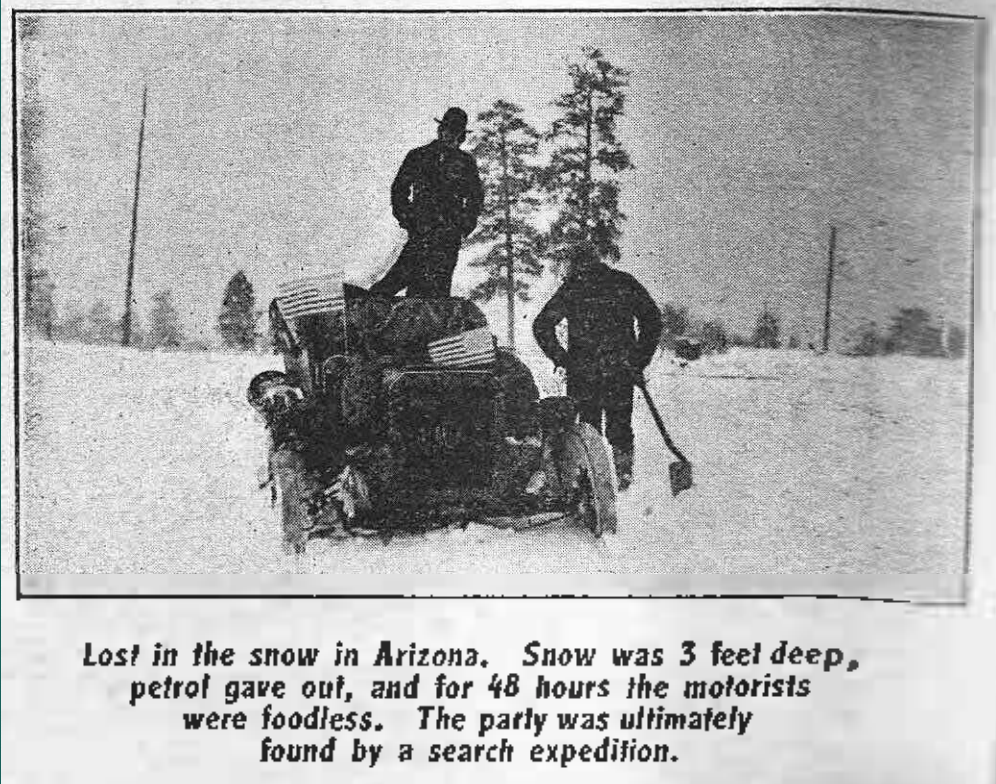
“TO BE ABLE TO GENERATE electricity directly by the mere application of heat, seeing that in our internal combustion engines we waste a very large amount of heat, presents attractive possibilities. That the creation of an electric current by the application of heat can be effected is no new thing, for thermopiles have long been known, but their bulk and inefficiency and the shortness of their life, owing to the fragility of the metals employed, has hitherto been against much practical application of the idea to commercial uses. A few days since, however, the writer was shown a thermopile which certainly seemed to present great possibilities. Like many another scientific invention, the idea is a German one, and its feature consists in the use of a new and special alloy in the construction of the plates of the thermopile. The instrument shown did not measure more than 12in or 14in across, and was probably 8in or 9in deep. It was mounted on a stand like the base of a circular stove, and when a kerosene oil lamp was placed within the base it looked for all the world like many of the small gas or oil stoves which one sees. To demonstrate it, the lamp was lit and the terminals connected up with an incandescent lamp, also with an ammeter and voltmeter. In a few minutes the fingers of the instruments began slowly to rise, and a slight redness appeared on the filament of the. lamp, and this gradually increased until in some 10 or 12 minutes the glow lamp was brilliantly, incandescent, the ammeter showing 1 and the voltmeter 4½, and they were still rising…the original experimental instrument, made by the inventor five years ago, is still in use…the motoring interest comes in when it is stated that experiments are in progress, and are nearly completed, for the construction of one of these thermopiles in such a form that the heat at present wasted in the exhaust can be used to generate current with which to keep the batteries of the ignition system of a car constantly charged, as well as providing illumination for tail and side lamps…”
“A FITTING CELEBRATION [of the 10th anniversary of the Emancipation Run that in turn celebrated the repeal of the Red Flag law that in turn had throttled the development of motor cycles (and cars) in the UK]. The anniversary dinner of the Motor Union, at the Wharncliffe Rooms, on Wednesday evening last, was in every way a worthy celebration of a great occasion. The progress of the first decade of legalised motorism in this country was, perhaps, best summarised in the terse sentence on the ticket of invitation to the banquet, which ran: ‘The red flag abolished, Nov, 1896. Cars registered Nov, 1906, 100,000.'” The 400 guests included the Hon Arthur Stanley, MP, Lord Montagu of Beaulieu, Col Holden, RA, (creator of the 800cc flat-four) and Sir Arthur Conan Doyle. “As to the future of motoring, the situation was depicted by Professor von Herkomer in his rough sketch for the Union medal—Future being bound to the motorcar.” Arthur Stanley remarked that his sympathies were entirely for the poor lady, for it seemed to him that the picture was an up-to-date representation of [Christian martyr] St Lawrence on the gridiron. “Moreover, it must be obvious (and perhaps Sir Edward Henry, the Chief Commissioner of police, had already noticed it) that the lady was obscuring the number plate.”
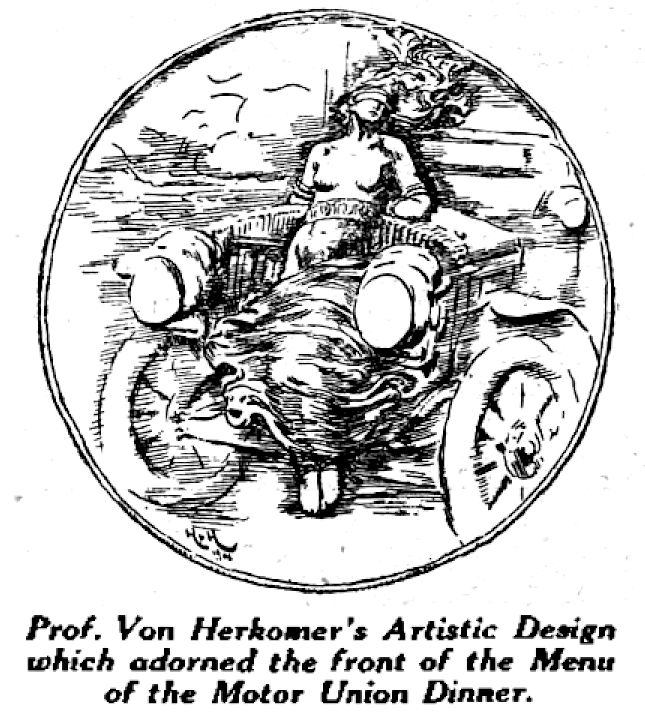
“A YOUNG POLICEMAN on duty close to Judge and Son’s motor garage (evidently aspiring to become a sergeant) attempted to stop the King’s car for not having a number on. Seeing his mistake, he retired in confusion, leaving the King’s car master of the road.”
GERMANY ENDED THE YEAR with some 16,000 motorcycles, including 254 “for commercial purposes”. UK registrations totalled 45,735.
A GOOD NUMBER OF RIDERS were on and about on Christmas Day when, according to a contemporary observer: “Riding conditions were perfect.”
Here’s an assortment of pics:
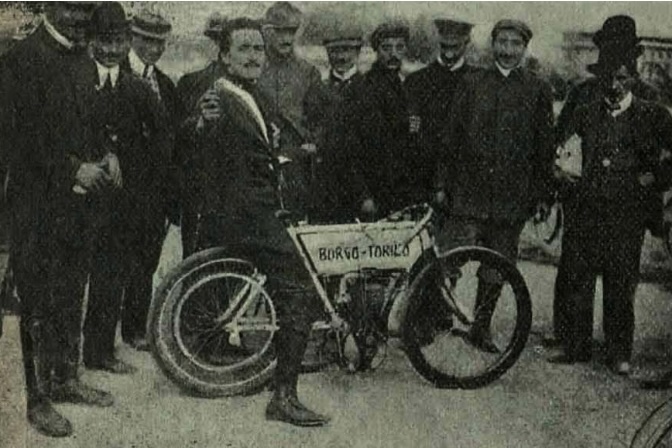

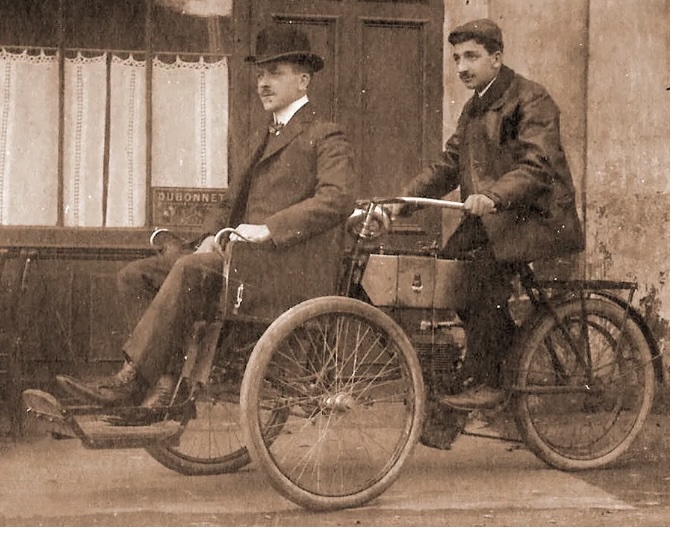
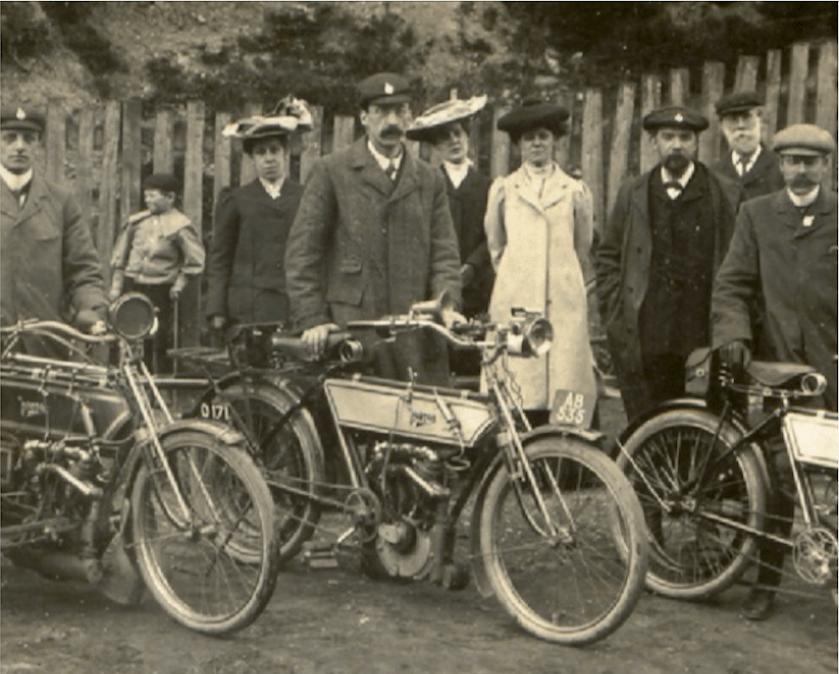
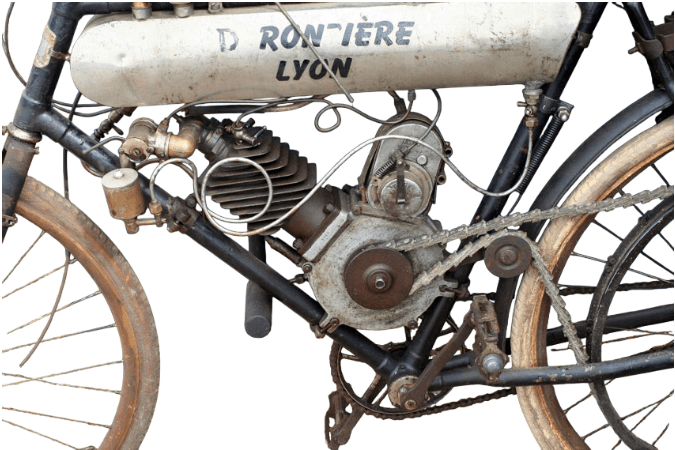
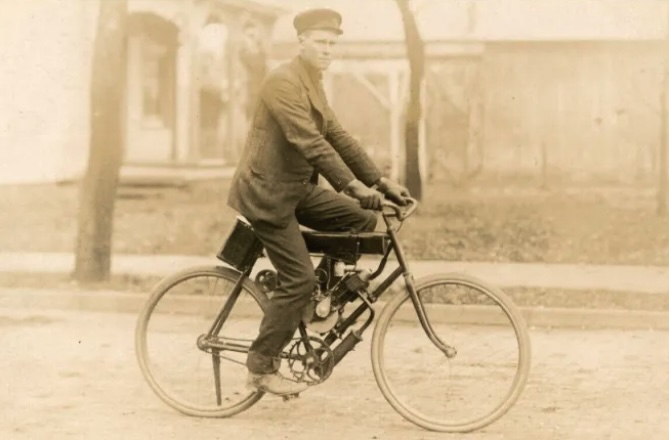
To conclude this review of 1906, some contemporary adverts…
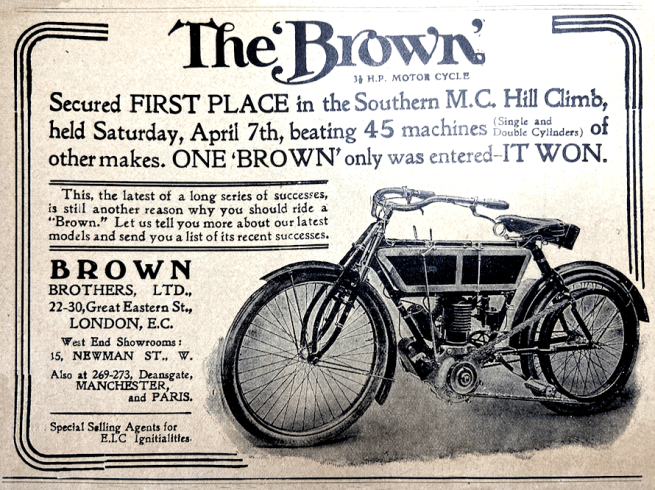
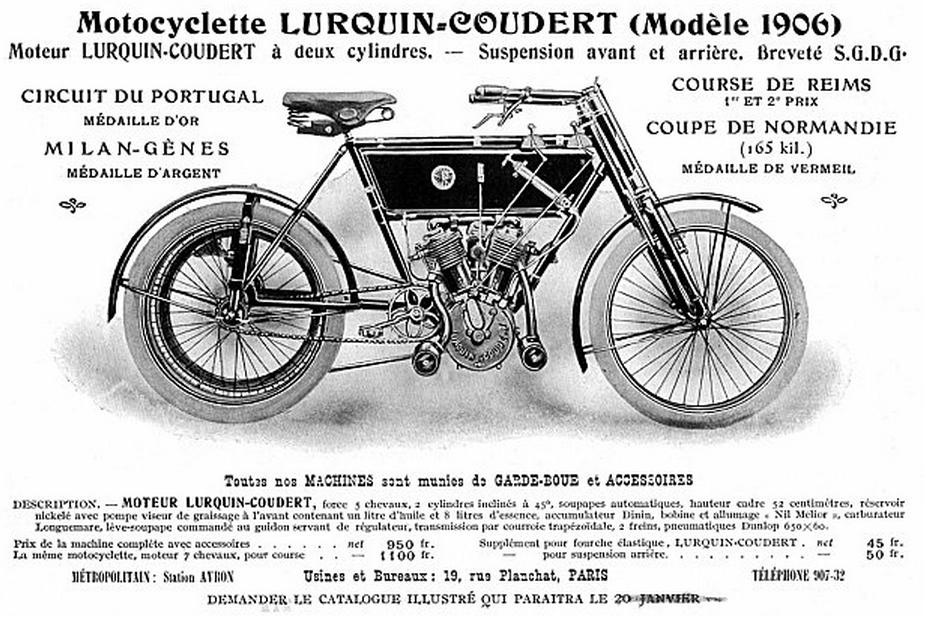
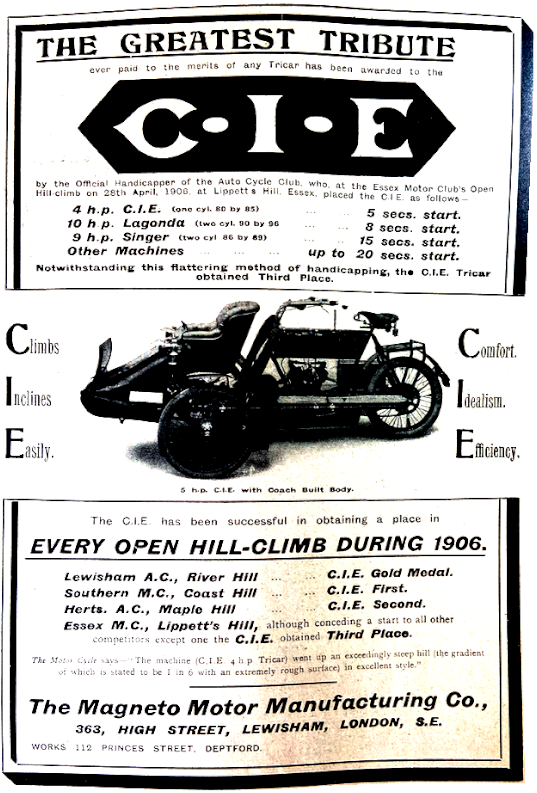
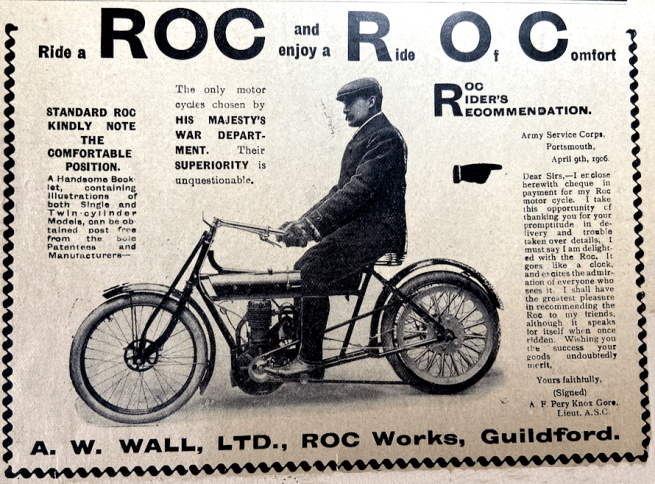
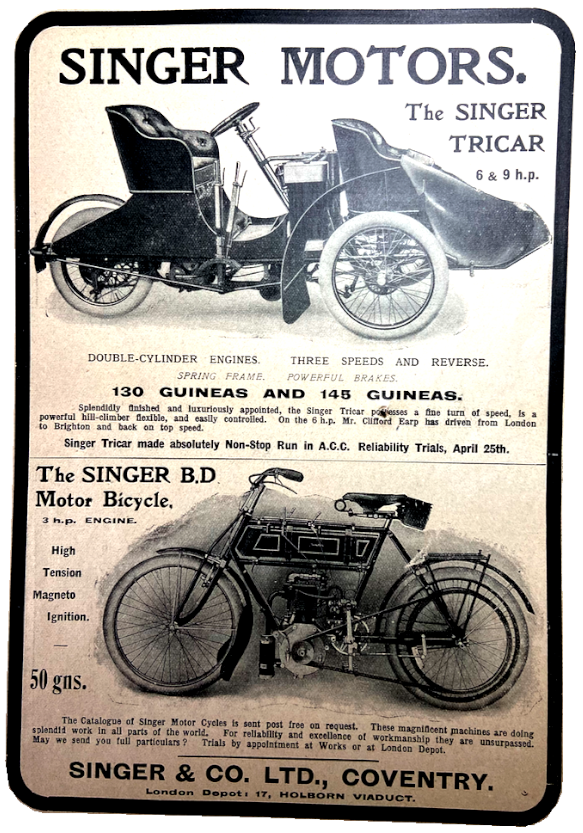
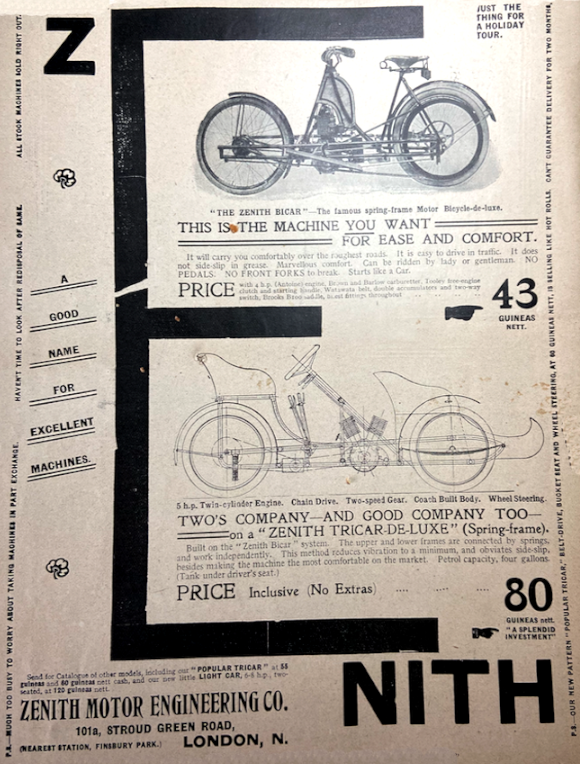
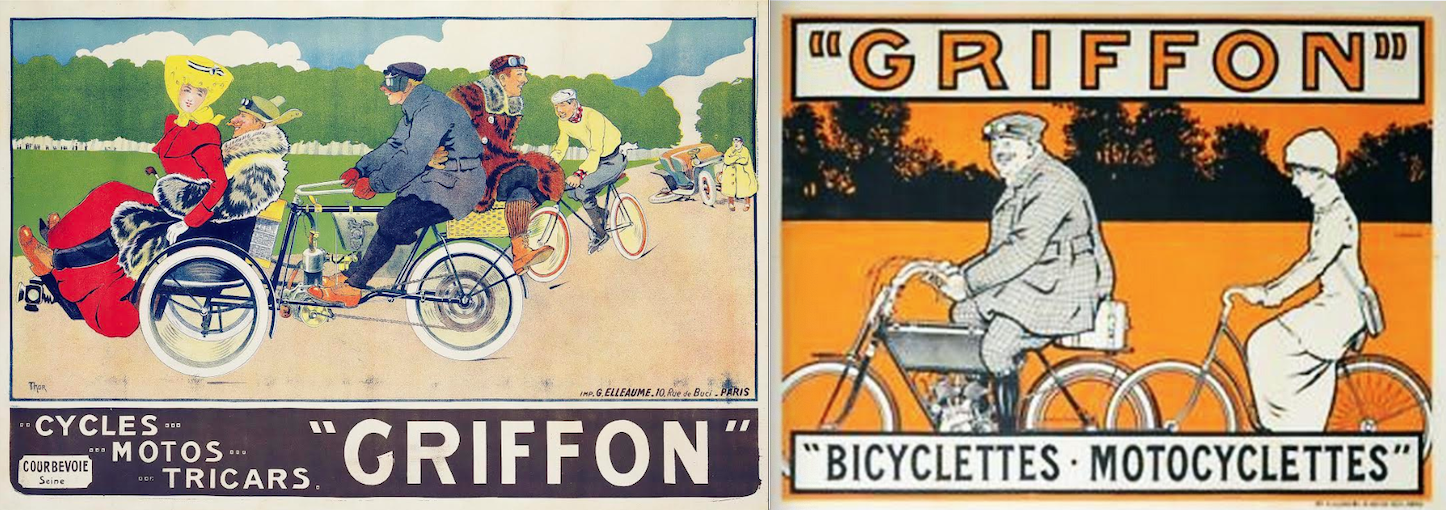
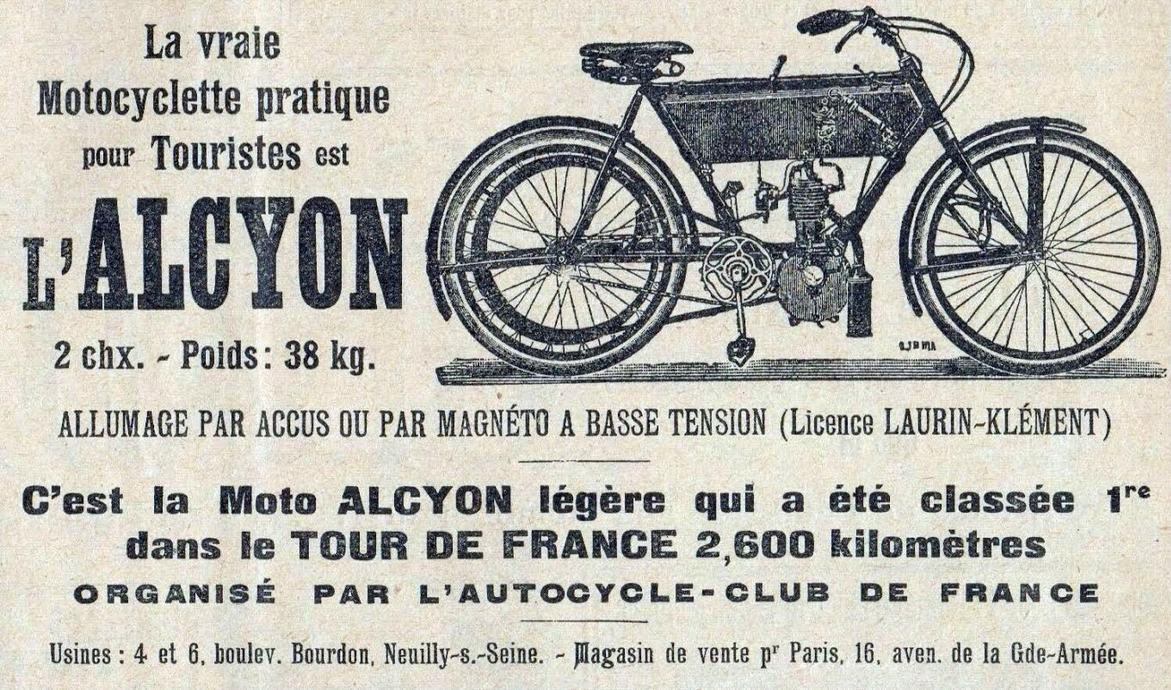
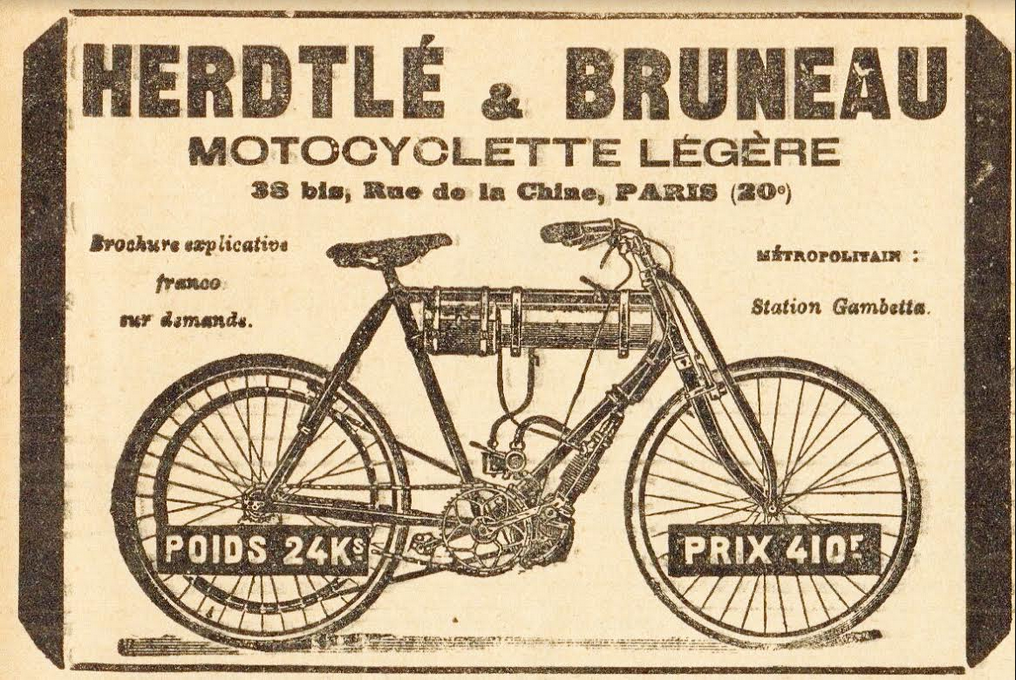
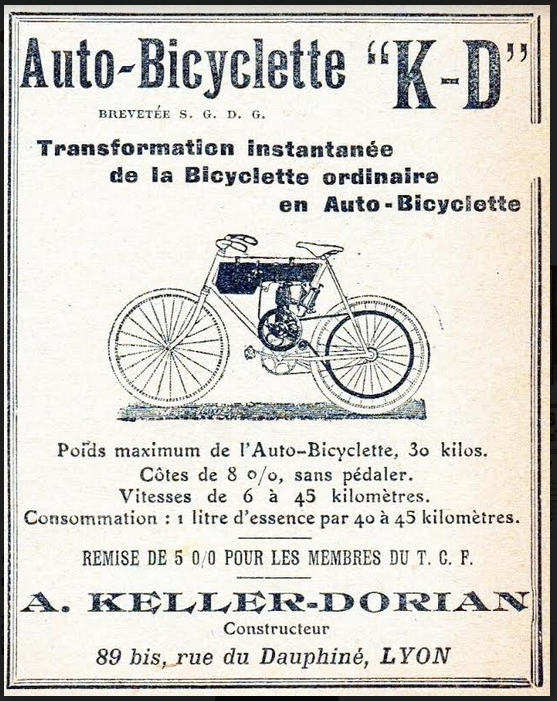
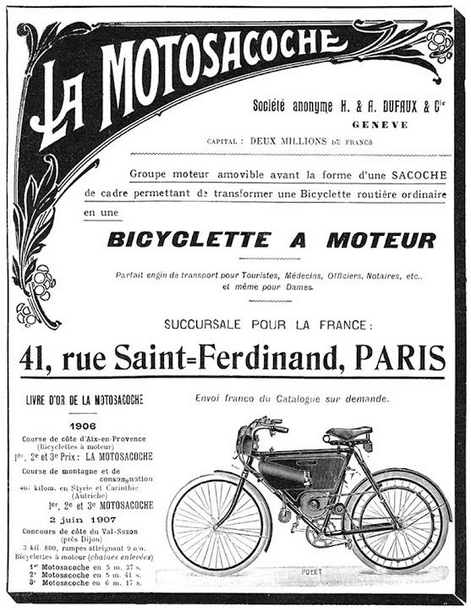
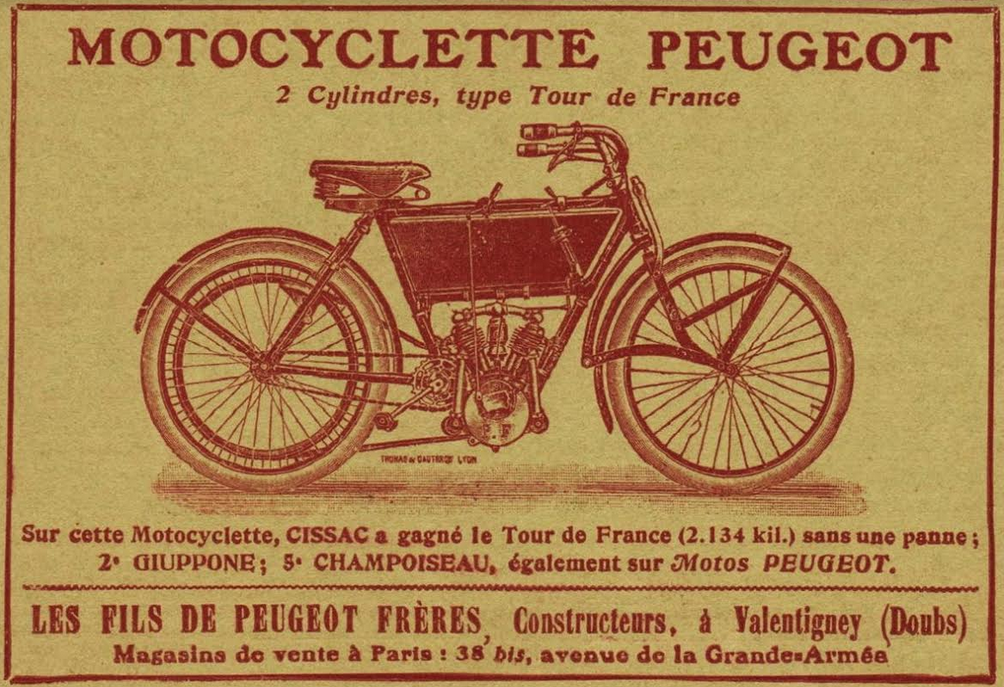
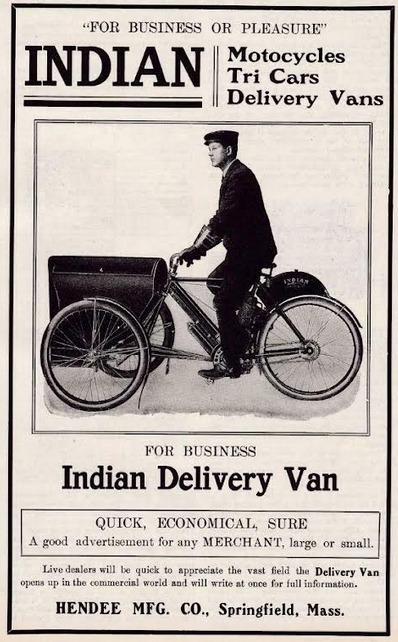
DE DION-BOUTON OIL
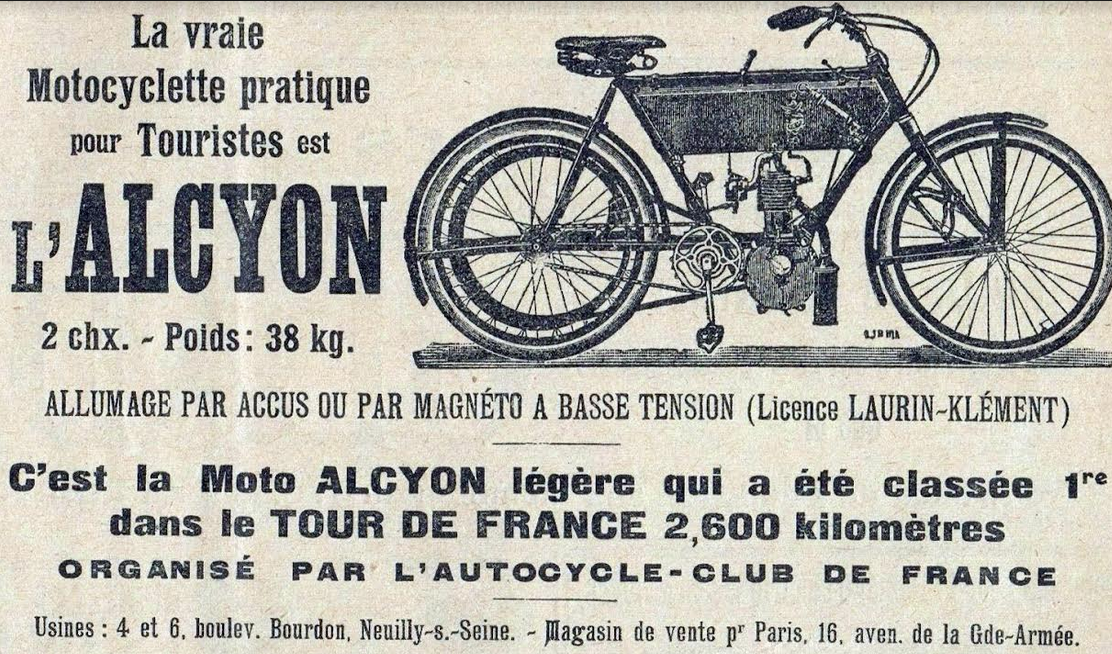
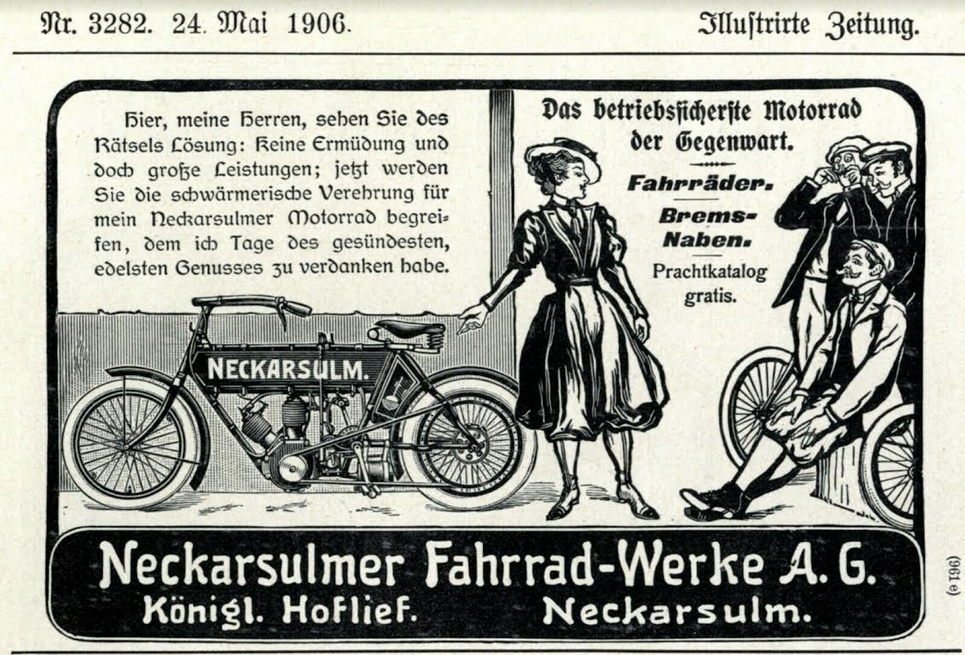
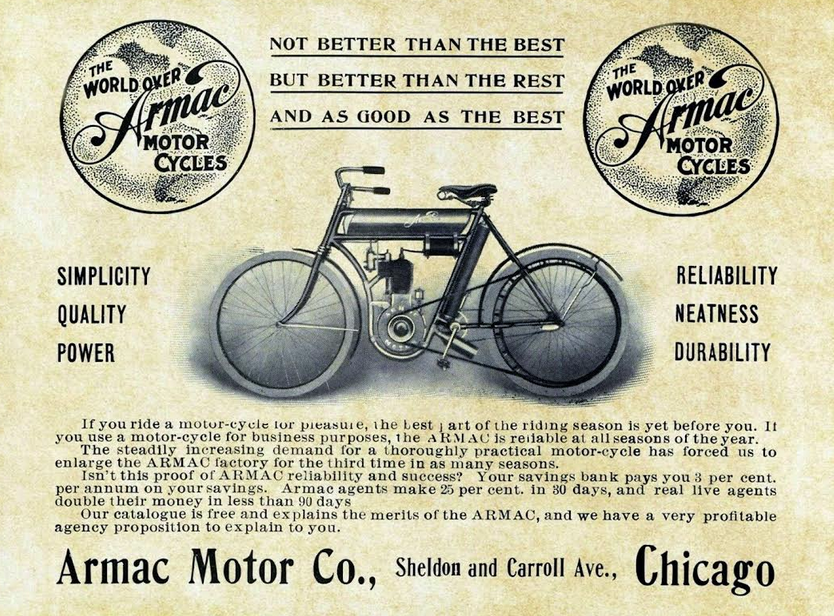
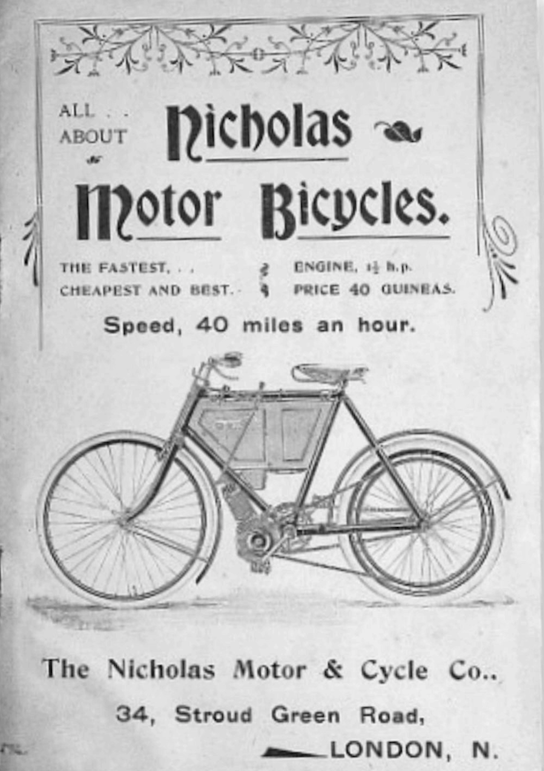

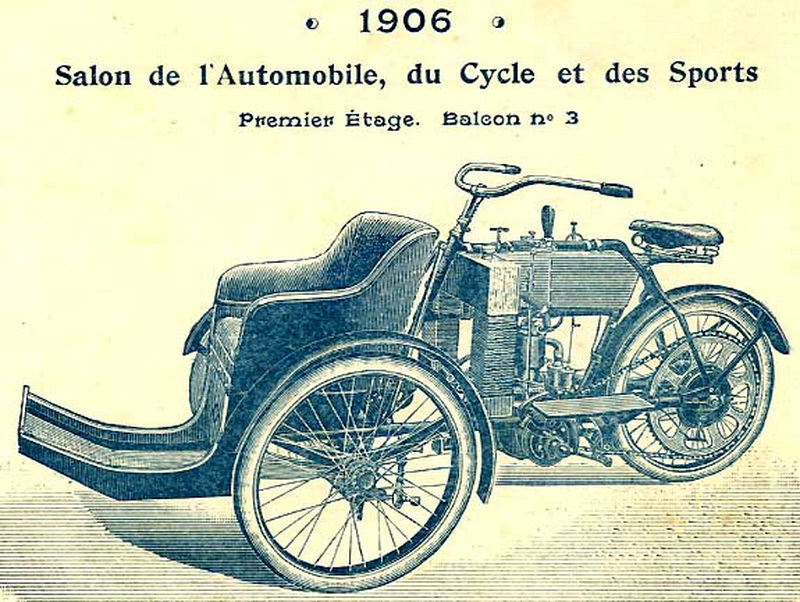
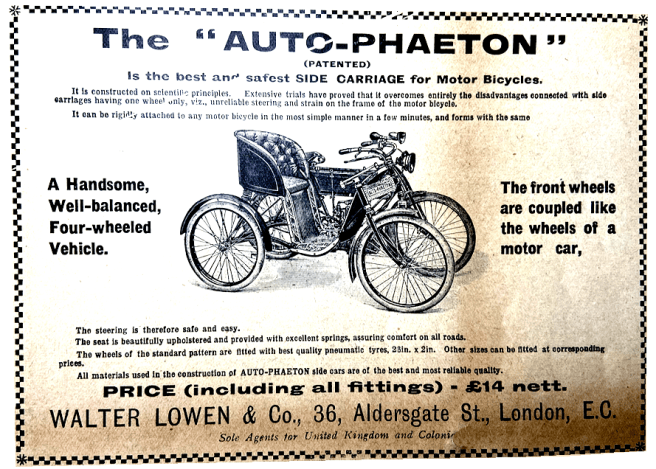
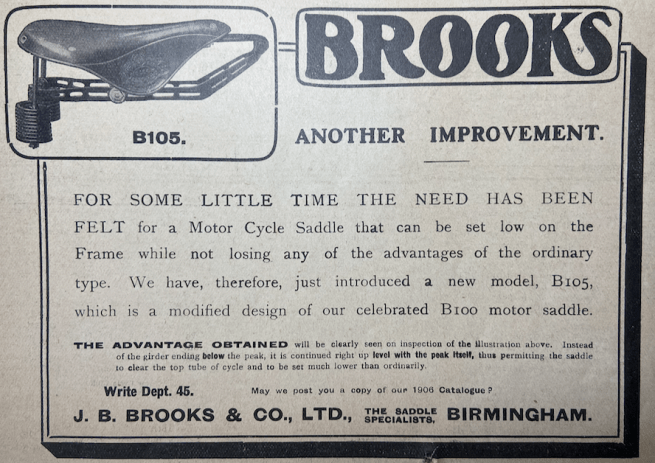
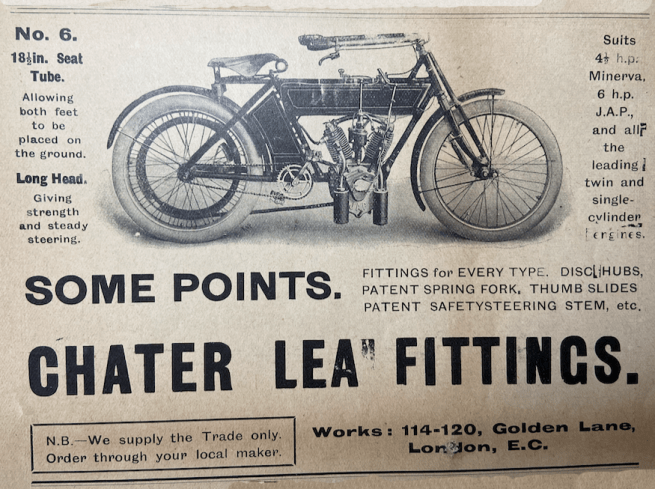
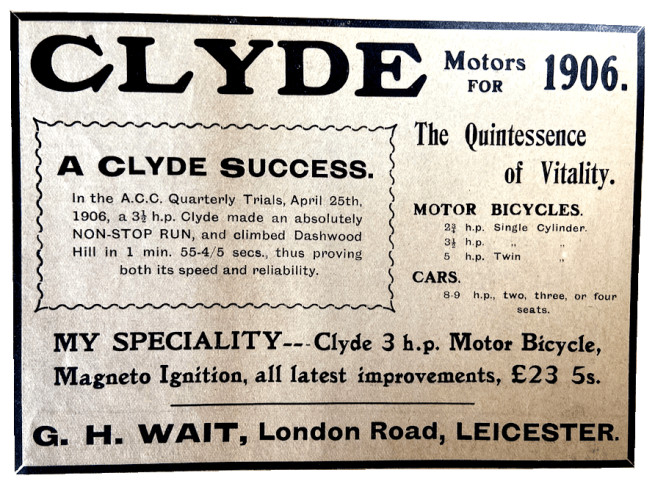
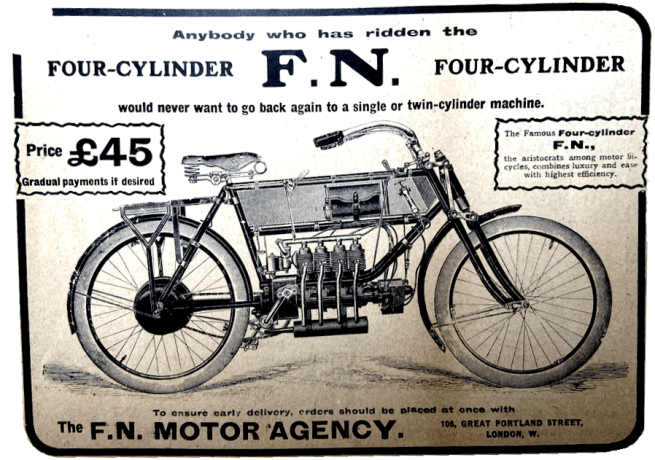
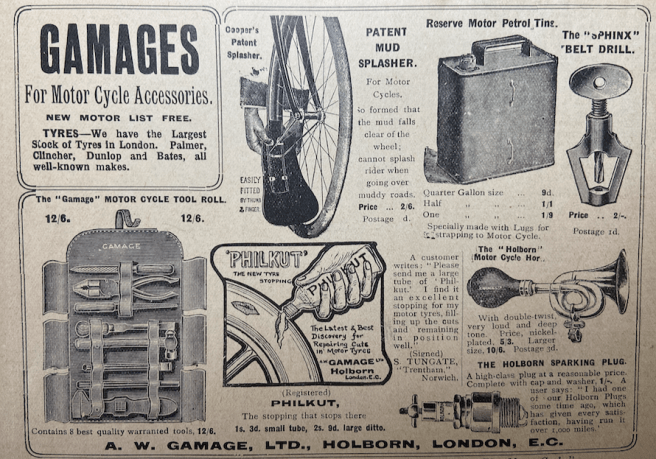
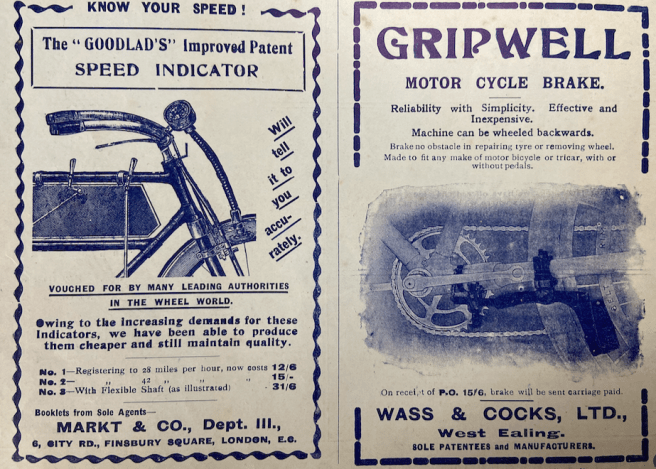
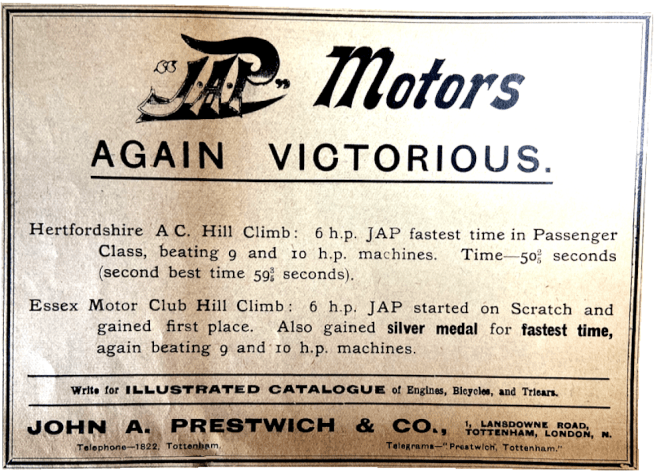
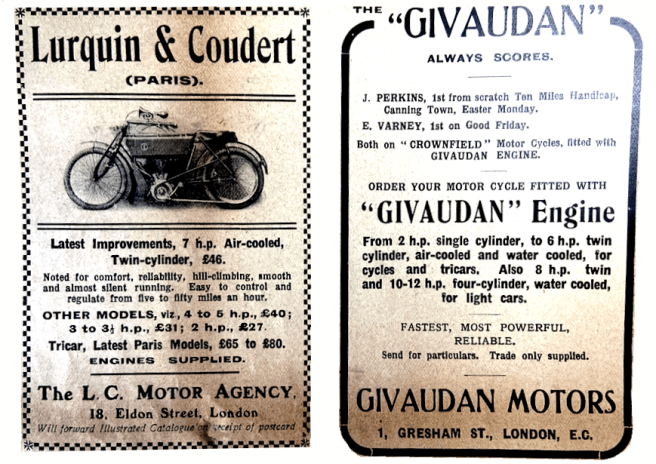
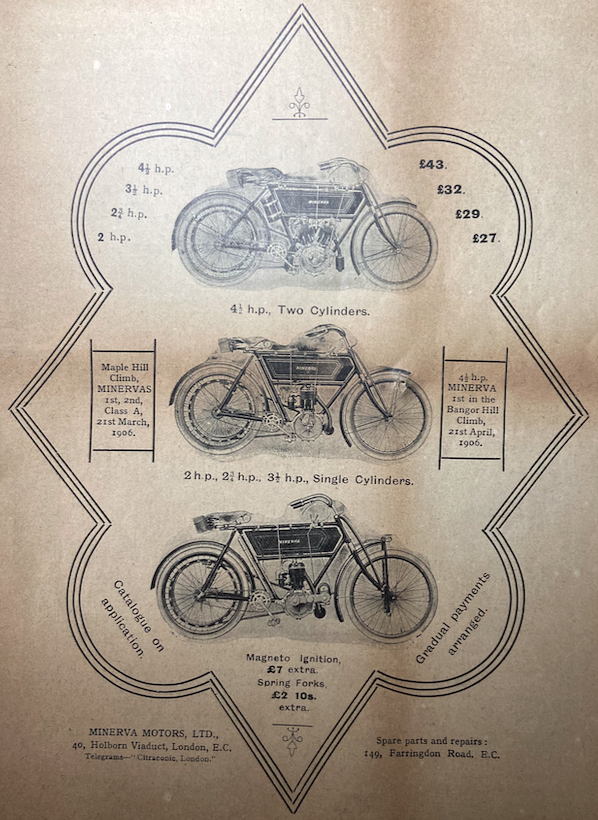
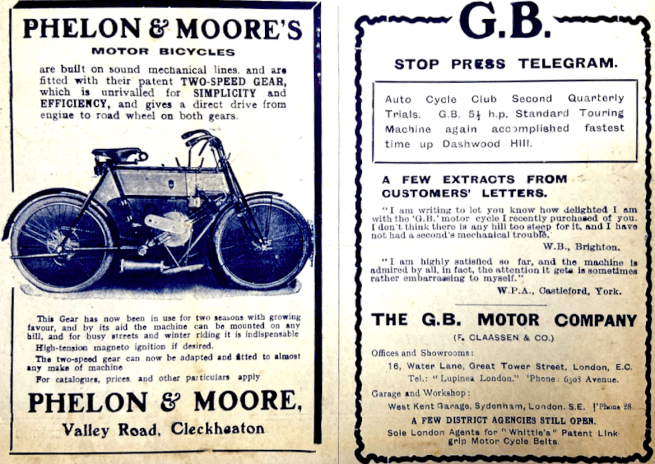
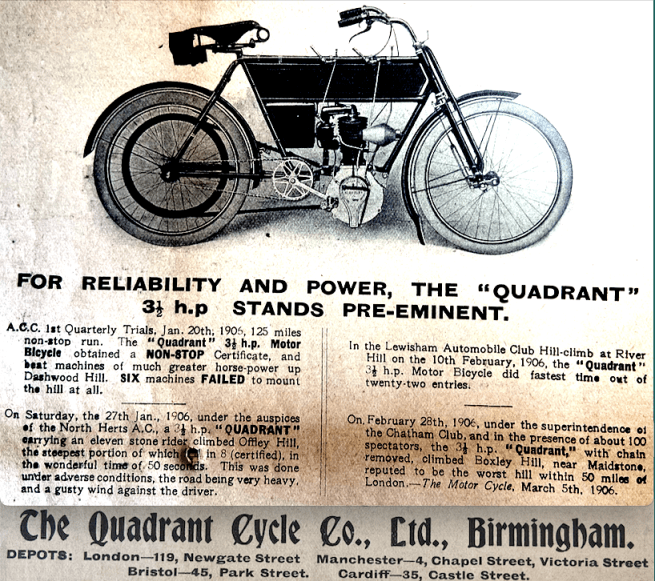
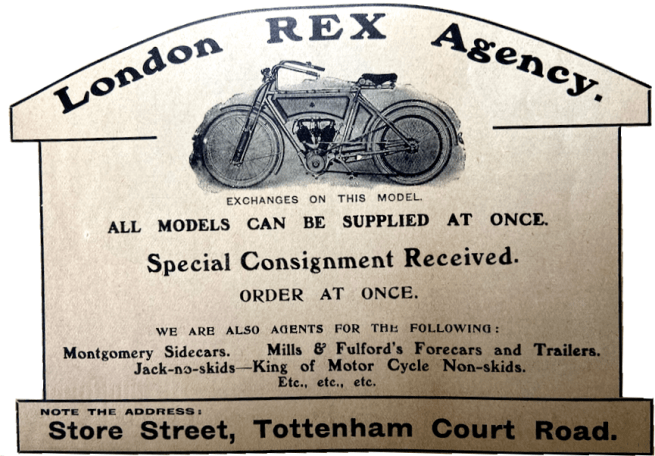

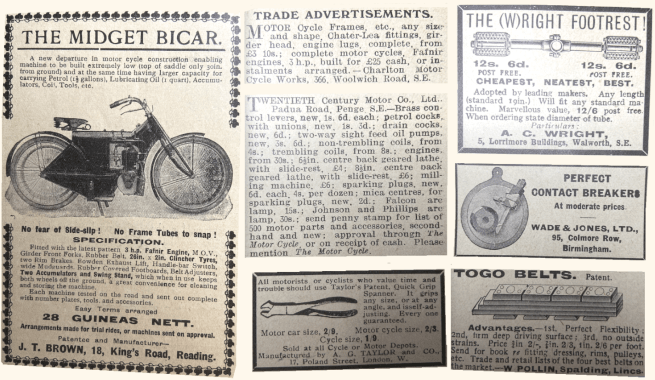


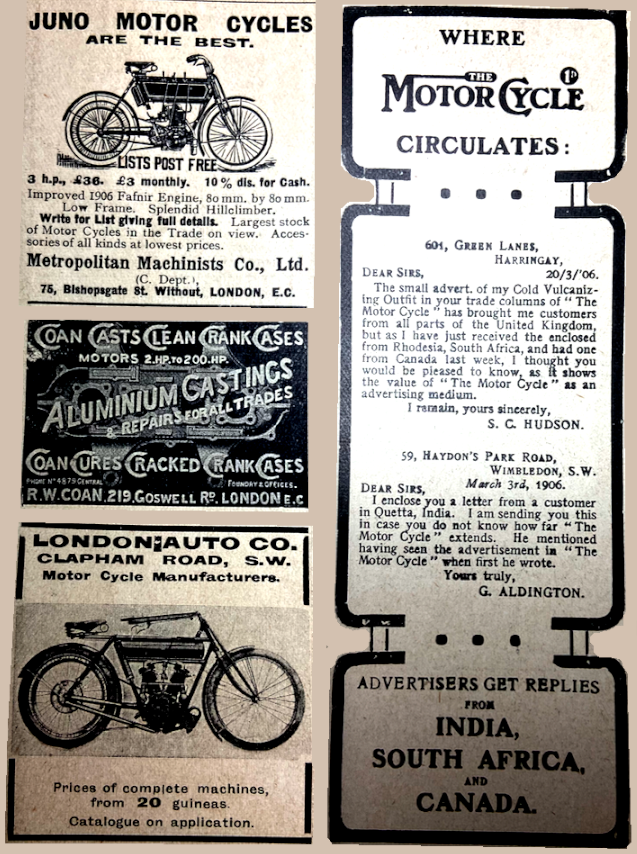
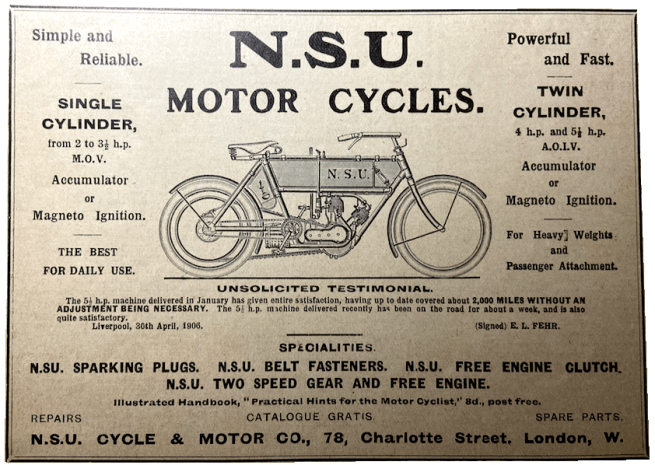
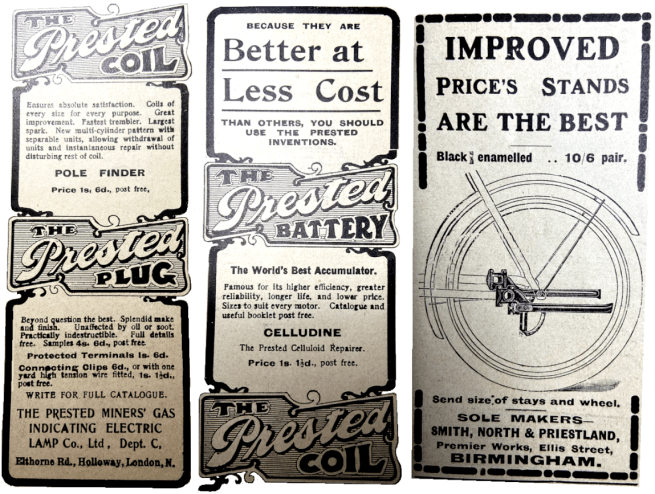
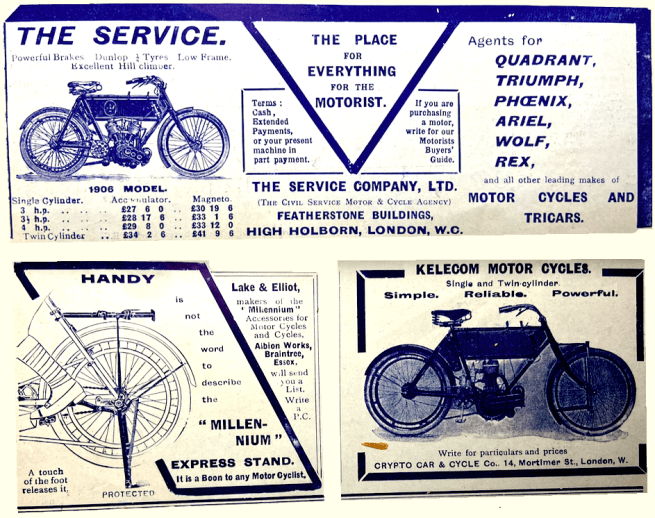
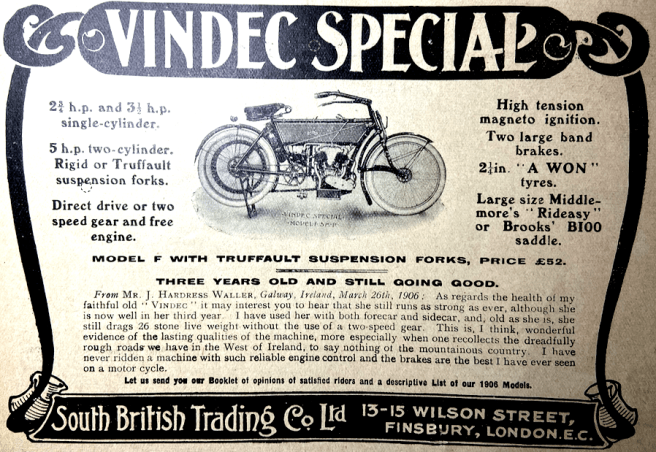
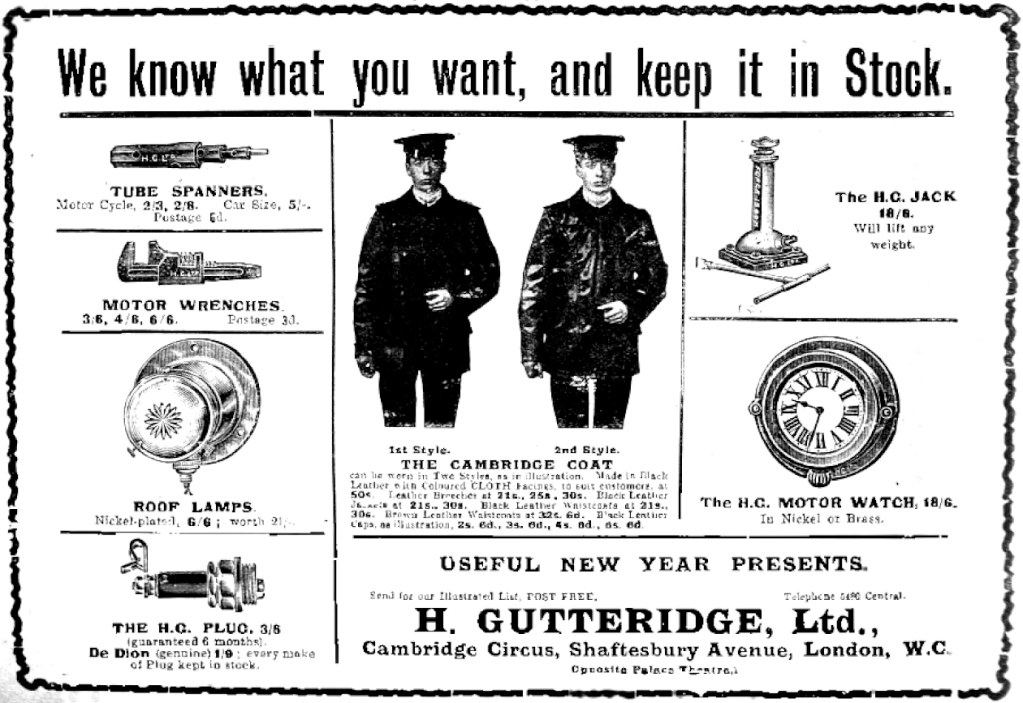
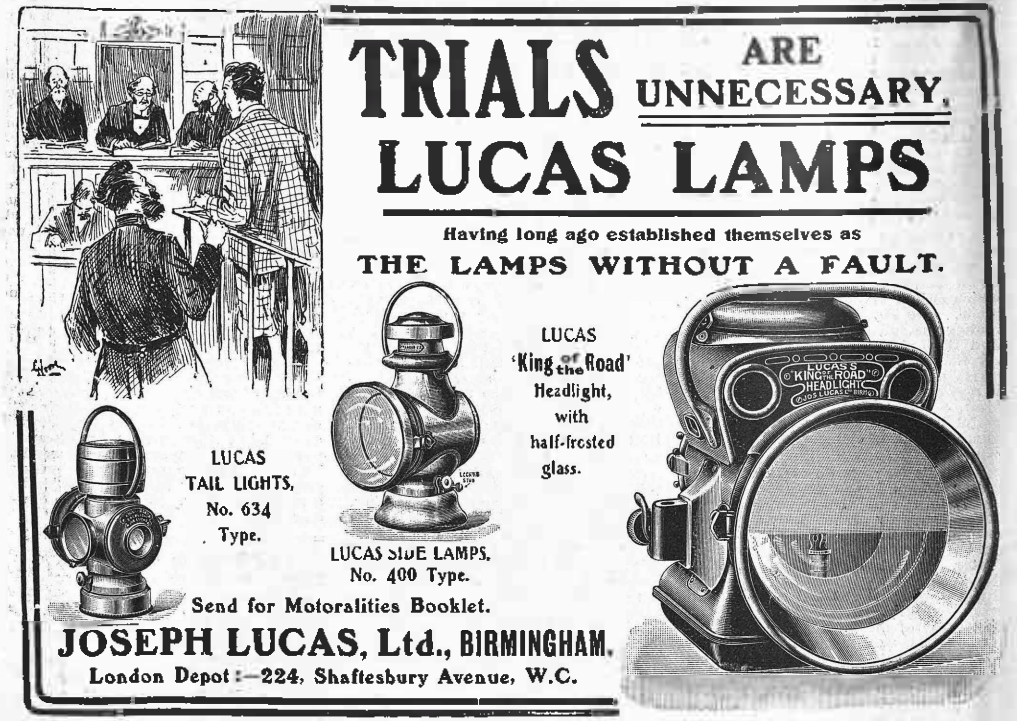
 Motorcycle Timeline